1. GUINEA WORM ERADICATION PROGRAMME (GWEP)
Introduction:
Certification of India as a Guinea Worm disease free country by the World Health Organisation in February 2000 is a major milestone in the Public Health in India. Guinea Worm disease (Dracunculiasis) was an important public health problem in many states of India before eradication.
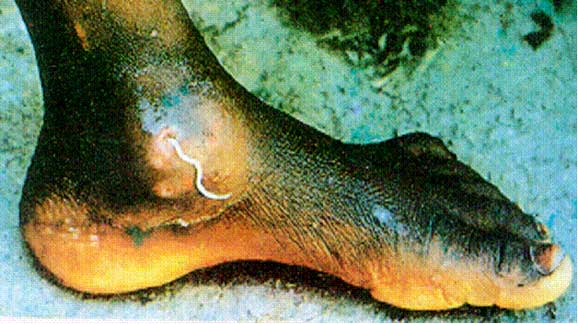
Guinea Worm emerging from foot of an infected patient
Transmission Dynamics and Clinical Presentation of Guinea Worm Disease (Dracunculiasis)
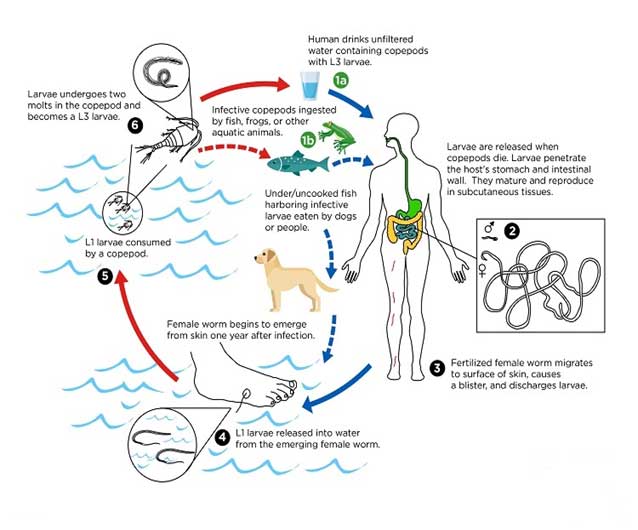
Dracunculiasis is caused by a large nematode, Dracunculus medinensis. The parasite is transmitted mostly when people drink stagnant water contaminated with parasite-infected water fleas. The Guinea worm passes its life cycle in two hosts – Man and Cyclops. Man (Definitive host) harbors the adult parasites in the subcutaneous tissues, especially of legs, arms and back, parts of body which are likely to come in contact with water. Clinical manifestations of Guinea worm disease appear 10-14 months after infection and include constitutional symptoms (such as low-grade fever, itchy rash, nausea, vomiting, diarrhea, dizziness) followed by a localized swelling developing into a painful blister, most often on a lower limb. The blister appears when the gravid adult female (about 60-100 cm long worm) is ready to discharge its larvae. To soothe the associated burning pain, patients often immerse the affected part of the body in water. The worm(s) then releases thousands of larvae (baby worms) into the water. These larvae are ingested by tiny crustaceans or copepods, also called water fleas (Intermediate host) and develop into infective stage in about 2 weeks. People swallow the infected Cyclops in drinking water from step wells or ponds. The larvae are liberated in the stomach, cross the duodenal wall, and enter the retro-peritoneal connective tissues where they grow and mature. The males die after mating. The females migrate in about 6 months to parts which come in contact with water. Multiple and repeated infection may occur in the same person. The worm takes about 10–14 months to emerge after infection.
Life Cycle of Guinea worm Disease
Source: CDC
Diagnosis is made by visual recognition of adult worm protruding from a skin lesion or by microscopic identification of larvae.
Epidemiological determinants of guinea worm disease
Guinea worm disease cases occur in areas which have natural or artificial ponds or step-wells as sources of drinking water. Chances of infection increase before the arrival of monsoon when the water level becomes low in ponds/wells and people step into these water bodies to fetch water. More cases occur in adults, especially males due to increased frequency of exposure.
The prevention/control measures include: –
- Ensuring wider access to improved drinking-water supplies to prevent infection;
- Converting step wells to draw wells
- Preventing contamination of drinking-water by preventing infected people and infected animals (dogs and cats) with blisters/emerging worms from wading into water;
- Filtering drinking water from open water bodies in endemic areas through fine mesh/Guinea worm sieve (pore size 100 micrometers) to remove Cyclops
- Implementing vector control of Cyclops by using the larvicide temephos
- Increasing awareness among endemic communities about the disease and its control
Current global scenario of guinea worm disease:
Dracunculiasis was endemic in 20 countries worldwide in the mid-1980s, but now the active foci are found only in some countries of Africa. The World Health Assembly had adopted Resolution WHA 44.5 in May 1991 to eradicate dracunculiasis by 1995. The disease is endemic only in 5 African countries at present (Angola, Chad, Ethiopia, Mali and South Sudan). Worldwide, only 15 human cases of Guinea worm disease were reported in 2021 which was further reduced to 13 cases in 2024.
Historical perspective: Magnitude of the Guinea Worm Disease problem in India before year 2000
In 1984, at the beginning of the Programme, there were around 39792 GW cases in 12,840 villages of 89 districts in seven endemic States of India (Table 1).
Table 1: Human Guinea Worm Cases in India, 1984
| GW Endemic States |
Districts |
PHC |
Villages |
Population |
Cases |
| A. P. |
6 |
54 |
1160 |
1566218 |
4461 |
| Gujarat |
13 |
56 |
444 |
1058012 |
426 |
| Karnataka |
8 |
73 |
991 |
1666123 |
5239 |
| M. P. |
21 |
131 |
3647 |
2723934 |
11341 |
| Maharashtra |
15 |
99 |
1213 |
1058452 |
3115 |
| Rajasthan |
23 |
146 |
5376 |
4849340 |
15210 |
| Tamil Nadu |
3 |
5 |
9 |
10048 |
Nil |
| TOTAL |
89 |
564 |
12840 |
12932127 |
39792 |
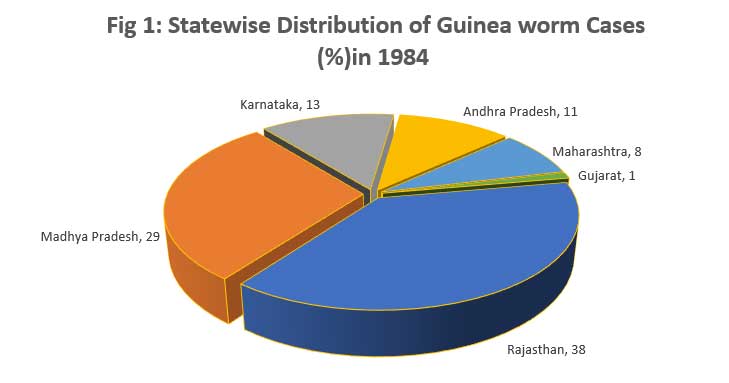
Almost two-thirds of the total cases occurred in Rajasthan (38%) and Madhya Pradesh (29%)
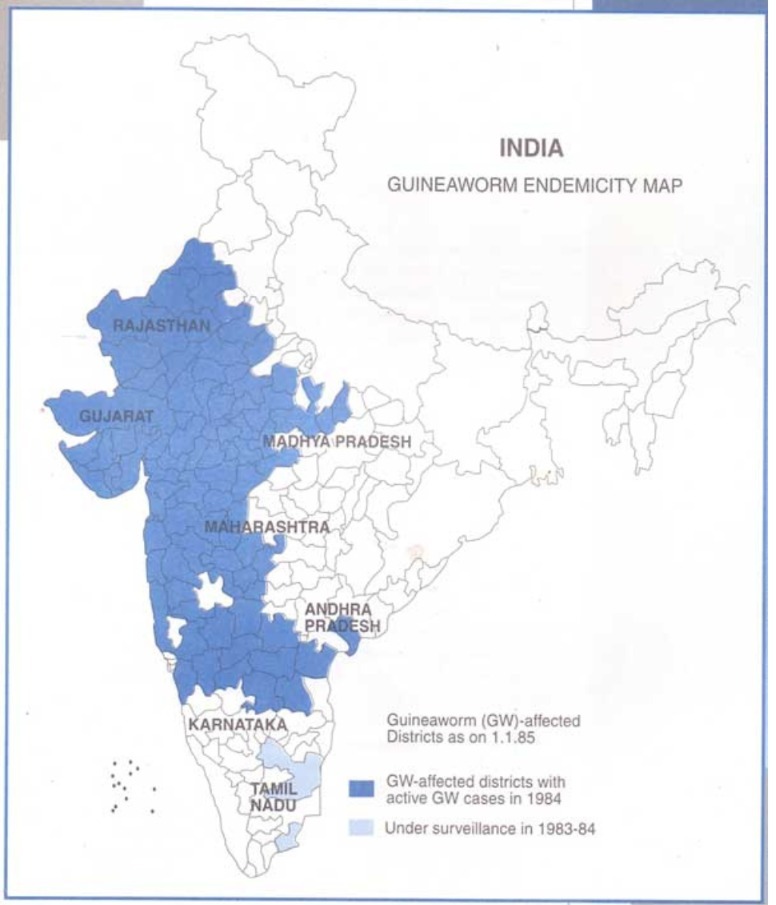
Figure 2: Erstwhile Guinea worm Affected state of India
Table 2: List of Erstwhile Guinea Worm Disease Endemic Districts in India State
| S. No |
Andhra Pradesh |
Gujarat |
Karnataka |
Madhya Pradesh |
Maharashtra |
Rajasthan |
Tamil Nadu |
| 1 | Ananthpur | Ahmedabad | Bijapur | Barwani | Ahmednagar | Ajmer | South Arcot |
| 2 | Cuddapah | Banaskantha | Bellary | Bhopal | Beed | Banswara | Dharmapuri |
| 3 | Kurnool | Bhavnagar | Belgaum | Damoh | Latur | Barmer | Tiruchirapalli |
| 4 | Mahbubnagar | Broach | Dharwad | Dewas | Nanded | Bhilwara | |
| 5 | West Godvari | Kheda | Karwar | Dhar | Nasik | Bikaner | |
| 6 | Prakasam | Kutch | Bidar | Guna | Osmanabad | Bundi | |
| 7 | | Mehsana | Gulbarga | Hoshangabad | Pune | Churu | |
| 8 | | Panchmahal | Raichur | Indore | Raigad | Chittorgarh | |
| 9 | | Sabarkantha | | Jhabua | Ratnagiri | Dungarpur | |
| 10 | | Surat | | Khandwa | Sangli | Ganganagar | |
| 11 | | Surendranagar | | Mandsaru | Satara | Jaipur | |
| 12 | | Vadodara | | Rajgarh | Thane | Jaisalmer | |
| 13 | | Valsad | | Ratlam | Sindhudurg | Jalore | |
| 14 | | | | Sagar | Chandrapur | Jhalawar | |
| 15 | | | | Sehore | Parbhani | Jodhpur | |
| 16 | | | | Shajapur | | Kota | |
| 17 | | | | Shivpuri | | Nagaur | |
| 18 | | | | Tikamgarh | | Pali | |
| 19 | | | | Ujjain | | Sawai Madhopur | |
| 20 | | | | Vidisha | | Sikar | |
| 21 | | | | Panna | | Sirohi | |
| 22 | | | | | | Tonk | |
| 23 | | | | | | Udaipur | |
GUINEA WORM ERADICATION PROGRAMME IN INDIA
Ministry of Health & Family Welfare, Government of India launched the National Guinea Worm Eradication Programme (GWEP) in 1983-84 as a centrally sponsored scheme on a
50:50 sharing basis between Centre and States with the objective of eradicating guinea worm disease from the country. National Centre for Disease Control
(erstwhile National Institute of Communicable Diseases, Delhi) was designated as the nodal agency for planning, co-ordination, guidance and evaluation of GWEP in the country.
The Programme was implemented by the endemic State Health Directorates through the Primary Health Care system. The Ministry of Rural Development, Govt. of India,
State Public Health Engineering Departments, and the Rajiv Gandhi National Drinking Water Mission (Rural Water Supply) assisted the Programme in provision and
maintenance of safe drinking water supplies and conversion of unsafe drinking water sources, on priority, in the Guinea worm affected areas.
Strategy of GWEP
Based on the life cycle of the worm, Guinea Worm Eradication Programme envisaged the efficient implementation following strategies:
- Guinea worm case detection and continuous surveillance through three active case search operations and regular monthly reporting
- GW case management
- Vector control by the application of Temephos (50% EC) in unsafe water sources eight times a year and use of fine nylon mesh/double layered cloth strainers by the community to filter cyclops in all the affected villages
- Provision and maintenance of safe drinking water supply on priority in GW endemic villages
- Trained manpower development and Intensive health education Concurrent evaluation and operational research.
NCDC with financial support from the World Health Organization deployed epidemiological surveillance teams in endemic states which closely monitored the Programme and helped the district/local authorities in effective implementation of various GWEP operational components; especially surveillance and GW case containment measures. The cases and the number of respectively.
Table 3: Trend of decline in Guinea worm Cases in India, 1984-1997
| Year |
Rajasthan |
Madhya Pradesh |
Karnataka |
Andhra Pradesh |
Maharashtra |
Tamil Nadu |
Gujarat |
Total |
| 1984 | 15210 | 11341 | 5239 | 4461 | 3115 | 0 | 426 | 39792 |
| 1985 | 11644 | 8349 | 4036 | 2389 | 4211 | 0 | 322 | 30950 |
| 1986 | 10500 | 4217 | 2754 | 1772 | 3646 | 0 | 181 | 23070 |
| 1987 | 7896 | 3282 | 2405 | 1122 | 2156 | 0 | 164 | 17031 |
| 1988 | 5619 | 2565 | 1909 | 407 | 1496 | 0 | 27 | 12023 |
| 1989 | 4872 | 1408 | 896 | 224 | 475 | 0 | 6 | 7881 |
| 1990 | 3376 | 333 | 634 | 224 | 209 | 0 | 22 | 4798 |
| 1991 | 1712 | 120 | 226 | 126 | 0 | 1 | 0 | 2185 |
| 1992 | 792 | 91 | 167 | 30 | 1 | 0 | | 1081 |
| 1993 | 547 | 179 | 29 | 0 | 0 | | | 755 |
| 1994 | 348 | 13 | 10 | | | | | 371 |
| 1995 | 60 | 0 | 0 | | | | | 60 |
| 1996 | 9 | | | | | | | 9 |
| 1997 | 0 | | | | | | | 0 |
Note: Last cases in the country occurred in Rajasthan in 1996.
Table 4: Decline in Guinea worm affected villages in India, 1984-1992
| Year |
Rajasthan |
Madhya Pradesh |
Karnataka |
Andhra Pradesh |
Gujarat |
Maharashtra |
Tamil Nadu |
Total |
| 1984 | 5376 | 3647 | 991 | 1160 | 444 | 1213 | 9 | 12840 |
| 1985 | 3394 | 2855 | 715 | 741 | 204 | 902 | 0 | 8811 |
| 1986 | 3276 | 1575 | 662 | 599 | 140 | 853 | | 7105 |
| 1987 | 2755 | 1170 | 398 | 414 | 130 | 767 | | 5634 |
| 1988 | 2258 | 867 | 356 | 241 | 81 | 475 | | 4278 |
| 1989 | 2009 | 825 | 271 | 150 | 52 | 289 | | 3596 |
| 1990 | 1565 | 485 | 249 | 88 | 15 | 190 | | 2592 |
| 1991 | 1310 | 292 | 159 | 69 | 5 | 71 | | 1906 |
| 1992 | 957 | 98 | 104 | 55 | 4 | | 26 | 1244 |
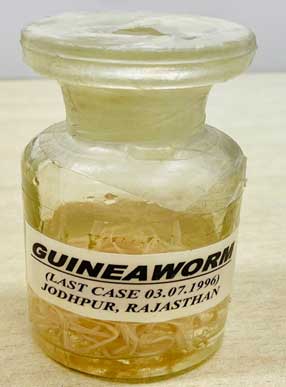
Once the state remained disease free for 3 years consecutively, it was deleted from the list of endemic states. Gujarat was deleted from the list of endemic states on 31 December 1993. Andhra Pradesh and Maharashtra were deleted on 31 December 1995, while Karnataka and MP were deleted from the list on 31 December 1997. The last Guinea worm cases occurred in July 1996 when 9 guinea worm cases were reported in three villages from district Jodhpur (Rajasthan). Eventually, Rajasthan was deleted from the list of endemic states on 31 December 1999.
TOWARDS CERTIFICATION OF GUINEA WORM ERADICATION IN INDIA
Last case of Guinea worm in India
- 6 July 1996
- Village: Aau, PHC: Peelwa
- District: Jodhpur, Rajasthan
- Family members had history of Guinea worm infection in last one year
During April 1999, Seventh Independent Evaluation of GWEP was conducted by independent experts; twenty teams were sent to seven erstwhile endemic states and
fourteen non-endemic states/UTs. The results validated the zero Guinea worm status in India.
- A National Commission for Certification of Guinea Worm Eradication was set up by the Ministry of Health and Family Welfare.
The Commission comprised of eight highly experienced independent experts in the field of Public Health drawn from across the
country and the Director and Joint Director and Head of Parasitology Division of the erstwhile National Institute of Communicable Diseases.
The Seventh Independent Evaluation was carried out under the guidance of the Commission in April 1999.
- The country completed three years of Guinea worm disease free period in July 1999. Subsequently, International Certification Team (ICT) from International
Commission for Certification of Dracunculiasis Eradication (ICCDE), WHO visited India from 9th -25th November, 1999 to assess the status of guinea worm
disease in the country and to prepare a report for presentation to International Commission at Geneva.
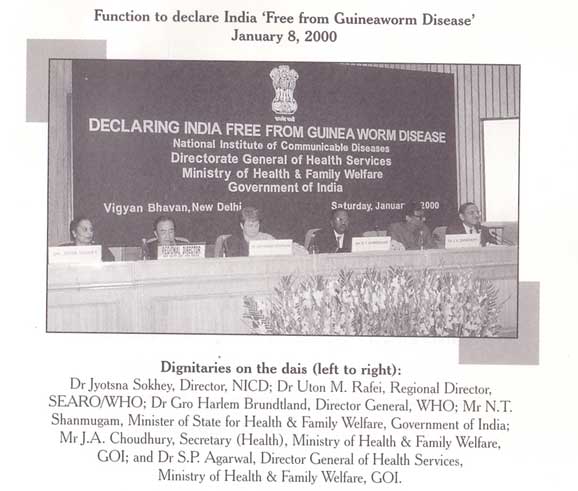
- A meeting was organised in January, 2000 in Vigyan Bhawan to mark the eradication of Guinea worm disease from India which was presided by Hon’ble Union Minister of
State, MoHFW, GoI Sh. N. T.Shanmugam and Dr. Gro Harlem Brundtland, Director General, WHO was the Chief Guest.
Preserved Worm Specimen from last case of Guinea worm Disease in India
- The International Certification Team, presented its report on Guinea worm disease status in India to the ICCDE in the meeting held in February 2000 in Geneva. On the basis of ICT report, India was declared as Guinea Worm disease free country in the year 2000.
The International Certification Team has recommended that, until the global goal of eradication is achieved, the following measures should be assiduously implemented:
- Health education regarding Guinea worm, with special emphasis on children and women in rural areas
- Guinea worm rumour registration and investigation
- Maintaining guinea worm disease on the list of notifiable disease and continuing surveillance in all previously infected areas
- Careful supervision of the functioning of hand pumps and other sources of safe drinking water, and provision of additional units wherever necessary.
CURRENT ACTIVITIES UNDER THE PROGRAMME
- Health education regarding Guinea worm disease.
- Maintaining continuing surveillance in all erstwhile 7 endemic States (now 8 including Telangana) /Districts through State/District Health Departments.
- Guinea worm rumour surveillance and investigation: rumours have been received from the many Indian States viz Gujarat, Karnataka, Madhya Pradesh, Maharashtra, Kerala, Uttar Pradesh, Goa and Rajasthan, Uttarakhand since certification of Guinea worm Disease free status. All such rumours/publications reported to NCDC after 2000, have been thoroughly investigated and have been found to be not due to Guinea worm Disease.
2. Yaws Eradication Programme:
India has achieved breakthrough public health milestones in the past by eradication of smallpox and guinea worm disease. There has been a concerted effort to target other diseases in the country which are amenable to eradication/elimination. One such disease, yaws has been the target since decade’s and particularly after the inception of yaws eradication programme (YEP) since 1996-97.
Epidemiology
Yaws belongs to a group of chronic bacterial infections (endemic treponematoses, no venereal spirochetal diseases) caused by treponemes. Other diseases belonging to this group are bejel (endemic syphilis) and pinta. Yaws is the most common of all and occurs primarily in the warm, humid and tropical areas of Africa, Central and South America, the Caribbean, Indian peninsula and the equatorial islands of South-East Asia. It is usually prevalent among the people living in primitive, unhygienic conditions in hot and humid areas like those found in tropical countries. In India, this disease was a scourge for poor, most marginalized and difficult to reach population living in remote, hilly, forested areas of the country and particularly affected the tribal population. The infection put these marginalized population at a further disadvantage because of morbidity, disability & economic burden associated with the disease.
Mode of transmission
Yaws is transmitted by direct (person-to-person) contact with the exudates and serum from infectious lesions. The total duration of infectiousness for an untreated yaws patient, including relapse is probably of the order of 12-18 months.
Clinical manifestations
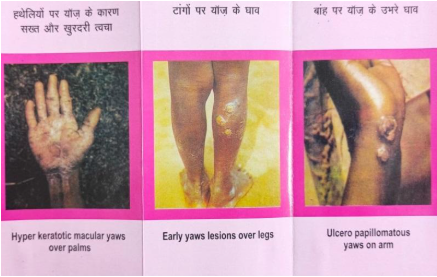
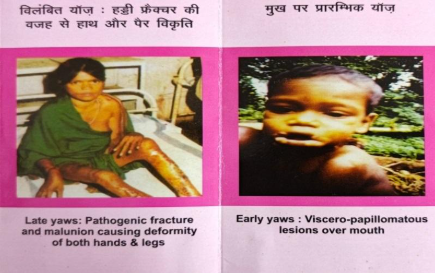
After the bacterium has “penetrated” into the skin, within a period of 3 to 4 weeks (with a range from 10 to 90 days), early lesion appears near the infection. Early secondary lesion appears usually after an intervalof6-16weeks (or even up to 2 years) of the primary lesion. Yaws most commonly occurs in young children is characterized by a primary skin lesion (Early Yaws). It starts as a small papule, but reaches up to 5cm in diameter, becomes lifted, is often ulcerated, and may resemble a raspberry. Papilloma is the most common presentation and is often pruritic facilitating spread of the infection to other areas of the body by scratching. These lesions may persist for 3-6 months and heal spontaneously, often leaving a scar.
The early secondary skin lesion is popular and may occur any time from 4 to 12 weeks after the initial infection. The rash covers the limbs, neck, and buttocks and may spread onto the body. It is at this stage that the serological tests become positive. Nocturnal bone pain and tenderness of the tibia and other long bones due to periostitis are common and may persist for up to 6 months.
Usually after 5 years of onset of illness, destructive lesions of the skin, bone and cartilage (Late yaws) may appear which are non-infectious but may result in disabilities like gangosa and pathological fractures.
Yaws simulates the lesions of scabies, impetigo, skin tuberculosis, tinea versicolor, tropical ulcer, leprosy and psoriasis. The yaws may also coexist with any of these lesions. There is no natural immunity.
Diagnosis
Most latent and incubating cases are found in clusters around an infectious case and can usually be diagnosed by epidemiological tracing. Serological tests to detect treponemal antibodies can be useful in diagnosis of yaws only if sexual transmitted syphilis is excluded. In field situation, these tests support a clinico-epidemiological diagnosis of yaws but are not as specific as the dark-field examination. Commonly used tests are Venereal Disease Research Laboratory (VDRL) test and the rapid plasma regain (RPR) test which are inexpensive, rapid and simple to perform. It takes time for sero-positivity to appear after the onset of disease and hence, initial (mother) case may be sero-negative.
Sub-species of Treponema pallidum, i.e., Treponema pallidum
subsp . pallidum, Treponema pallidum subsp. pertenue , and Treponema pallidum subsp. endemicum cannot be serially cultured in vitro, are indistinguishable by dark-field microscopy. However, sub-species specific genetic signatures permit molecular differentiation using methods that involve polymerase chain reaction (PCR), restriction fragment length polymorphism (RFLP) and DNA sequencing of specific treponemal DNA sequences. Real-time polymerase chain reaction (RT-PCR) has been proved to be very efficient in molecular differentiation among all subspecies of treponemes. It is very fast, highly sensitive and highly specific assay.
Treatment
Single dose of injection benzathine benzyl penicillin has been the treatment of choice for both cases and contacts of yaws. In patients who are allergic to penicillin, erythromycin or tetracycline has been used as an alternative treatment, and India followed the same treatment strategy to control the disease. However, in recent years, the World Health Organization (WHO) has recommended the use of a single dose of azithromycin as the preferred treatment of choice.
Eradication Of yaws
Yaws had potential for eradication owing to the following favorable factors:
1. Man is the only reservoir of infection
2. Patients with early lesions are the main sources of infection
3. Direct contact with secretions of skin lesions is the main mode of transmission; no vector is involved
4. “magic bullet” is available for intervention i.e., a single injection of long-acting
benzathine benzyl penicillin, which is easily available at low cost, has no toxicity, is stable preparation and is operationally feasible
5. Yaws infection was localized to small pockets within the country.
However, the following factors needed active pursuance and action to achieve the target of eradication:
1. 5-10 times more latent cases than clinical cases
2. No visible lesions during the latent stage, but infectious relapses may occur which can
result in new outbreaks
3. Frequently re-survey after control to detect remaining cases
4. Serological surveillance to establish interruption of transmission of infection.
Yaws: Global Overview
Since the creation of WHO in 1948, the fight against endemic treponematoses (yaws, bejel and pinta) has
been a priority for the Organization. A review of historical documents from the 1950s shows that at least
88 countries and territories within the tropical belt of 20 degrees north and south of the equator was
endemic for yaws. Published reports suggest presence of yaws in many parts of the world viz. South East
Asia (India, Indonesia, Timor-Leste, Thailand, Sri Lanka), Western Pacific (Solomon Island, Papua New
Guinea), Africa (Congo, Ghana, Ivory Coast, Togo), PAHO (Haiti, Eucador) etc.
In the period 1952–1964, WHO, in close collaboration with UNICEF, launched the global endemic
treponematoses control programme (TCP), which became a real success story. More than 50 million patients
were treated in 46 countries, reducing the overall prevalence of these diseases by more than 95%. The
control strategy subsequently changed from a vertical programme to be integrated into the basic
health services. These basic health services were to cope with the remaining “last cases” of endemic
treponematoses in the community until eradication had been achieved. The goal of eradication was not
attained due to the complacency following gradual dismantling of the vertical programmes and premature
integration of yaws control activities into weak or non-existent primary health-care systems in
yaws-endemic areas, and the disappearance of the resources and commitment for yaws control. A number of
foci of transmission remained and by the end of the 1970s a resurgence of the endemic treponematoses had
occurred in many areas of the world.The necessity for renewed efforts was recognized by the World Health
Assembly and expressed in WHA Resolution 31.58. In 1995, WHO estimated that 460,000 infectious cases of
yaws occurred worldwide: 400,000 in West and Central Africa, 50,000 in South-East Asia, and the remainder
in other tropical regions
Yaws: Indian scenario
In India, there was a paucity of literature on yaws. Reports suggest that the first cases of yaws were reported from among tea plantation workers in Cachar district of Assam in 1887. The disease was later detected in states of Orissa, Chhattisgarh, Madhya Pradesh and other areas.
In India, the disease is mostly known by the name of the tribes which are mostly affected by yaws in any region. For example, the disease is called ‘Madia Roga’ and ‘Gondi Roga’ in Maharashtra and Madhya Pradesh. Some synonyms of yaws are based on its clinical features; e.g., it is called ‘Domaru Khahu’ in Assam which indicates a fig-like eruption. ‘Chakawar’ is a term used for chronic ulcers so commonly seen in Central India and part of Uttar Pradesh.
The disease was reported from the communities living in hilly and forested areas in the tribal-inhabited districts in states of Chhattisgarh, Odisha, Andhra Pradesh, Telangana and Maharashtra. Madhya Pradesh, Tamil Nadu, Assam, Jharkhand, Uttar Pradesh and Gujarat are other states from where cases had been reported earlier.
During 1952–1964, mass campaigns were launched with assistance from WHO and UNICEF in the states of Orissa, Madhya Pradesh, Maharashtra, Andhra Pradesh and Madras (now Tamil Nadu), and about 0.2 million cases were detected from these states. The strategies adopted were house-to-house surveys in the villages to identify cases, followed by selective mass treatment of all cases, their household and other contacts with a single injection of PAM (Penicillin G in oil with 2% aluminium monostearate). This resulted in a marked reduction of yaws cases in India, and disease prevalence was brought down from 14.0 per cent to below 0.1 per cent in many areas. Following this dramatic decline in disease transmission, active anti-yaws activities were abandoned in the majority of the states. In 1977, yaws resurgence occurred in Madhya Pradesh. In 1981, the National Institute of Communicable Diseases (NICD), Delhi undertook a rapid survey to assess the situation, wherein a total of 18,196 individuals from three districts of Orissa, one district of erstwhile Madhya Pradesh, Maharashtra and Andhra Pradesh were examined, and twenty-six cases were detected, six of them serologically positive, indicating continuing yaws transmission in some areas of the country. In 1985, NICD collected information using the mailed questionnaire method from various districts of five states (Andhra Pradesh, Madhya Pradesh, Orissa, Maharashtra and Tamil Nadu). The data suggested that the problem of yaws continued to linger on in India, albeit at a low level. In 1995, NICD prepared a project document on the Yaws Eradication Programme in India, which was approved by the Government of India for initiating the Yaws Eradication Programme (YEP) in Koraput district (undivided) of Orissa and was then expanded to cover all the eleven yaws-endemic states of the country
The objectives of the programme were to achieve:
- Cessation of transmission of yaws in the country (defined as nil reporting of new yaws cases) and
-
Eradication of yaws defined as absence of new cases for a continuous period of three years,
supported by absence of evidence of transmission through sero-survey among under-five children
(i.e. no sero reactivity to RPR/VDRL in <5 yr children).
The programme strategy adopted to achieve these objectives:
- Creating yaws consciousness and awareness in health professionals and community members,
- Trained manpower development,
- Detection and treatment of cases and contacts,
- Detection and treatment of cases and contacts,
- IEC activities harnessing multi-sectoral approach.
A high-level National Task Force (NTF) was established under the chairmanship of DGHS for undertaking periodic reviews and for monitoring the progress in implementation and to advice on Annual Plans of the action. The programmes was subjected to independent appraisal frequently and in all Six Independent Appraisals of the programme were undertaken since the beginning of YEP.
After years of continuous fight against yaws, the last case was reported in India in October, 2003. The Zero incidence of yaws cases was validated by eminent experts and based on recommendations of the task force the disease was finally declared as eliminated by Honorable union health & FW minister at Vigyan Bhawan on 19thSeptember 2006.
Yaws: Journey from Elimination to Eradication
Subsequently, India embarked upon the journey for eradication of yaws from India.
In post elimination phase apart from ongoing activities three new activities were started:
- Sero-survey among children to assess cessation of transmission of infection for 3-5 years
- Rumour reporting
- Investigation and cash incentive scheme to encourage voluntary reporting of the cases by the community.
Based on the recommendation of the sixth independent appraisal, the seventh Task force meeting on YEP under the chairmanship of DGHS on 25th July, 2014 recommended seeking Yaws eradication status for India.
Following this WHO was approached for certification of Yaws eradication. In this context, WHO sent an international Verification team (IVT) of experts for assessment of yaws free status of India during 4–17th October, 2015. Based on the recommendations of the IVT, WHO Director General declared India free of Yaws at Geneva on 5th May, 2016.
A celebratory function was organized to mark the end of Yaws from India on 14thJuly, 2016 at National Media Center, Raisina Road, New Delhi.
The Honorable Union Health and Family Welfare minister Mr. Jagat Prakash Nadda was the Chief Guest and Honorable Minister of State for Health and Family Welfare, Ms. Anupriya Patel was the Guest of Honor in the event. Several other dignitaries including the Secretary (Health and Family welfare), Director General of Health Services, Regional Director of WHO South East Asian Region, Additional Secretary (Health) and Mission Director National Health Mission, Director NCDC and Mr. James from UNICEF graced the occasion. The function was also attended by officials from the ministry of health and family welfare, Govt. of India and special invitees from local administration, district & state health officials and NGOs working in the erstwhile yaws endemic states in India.
The Honorable Union Minister of Health and Family Welfare formally declared India as free of Yaws in presence of the august gathering in the function. He lauded the dedicated and concerted effort of health authorities of endemic states/districts in implementing and monitoring the Yaws Eradication Programme under the able leadership of the National Centre for Disease Control, the national nodal agency for the Yaws eradication programme.
The dignitaries also released a monograph titled “YAWS DISEASE-END OF SCOURGE IN INDIA”.
The Union Health Minister expressed his gratitude to all who worked tirelessly to make the endeavor of yaws eradication a reality.
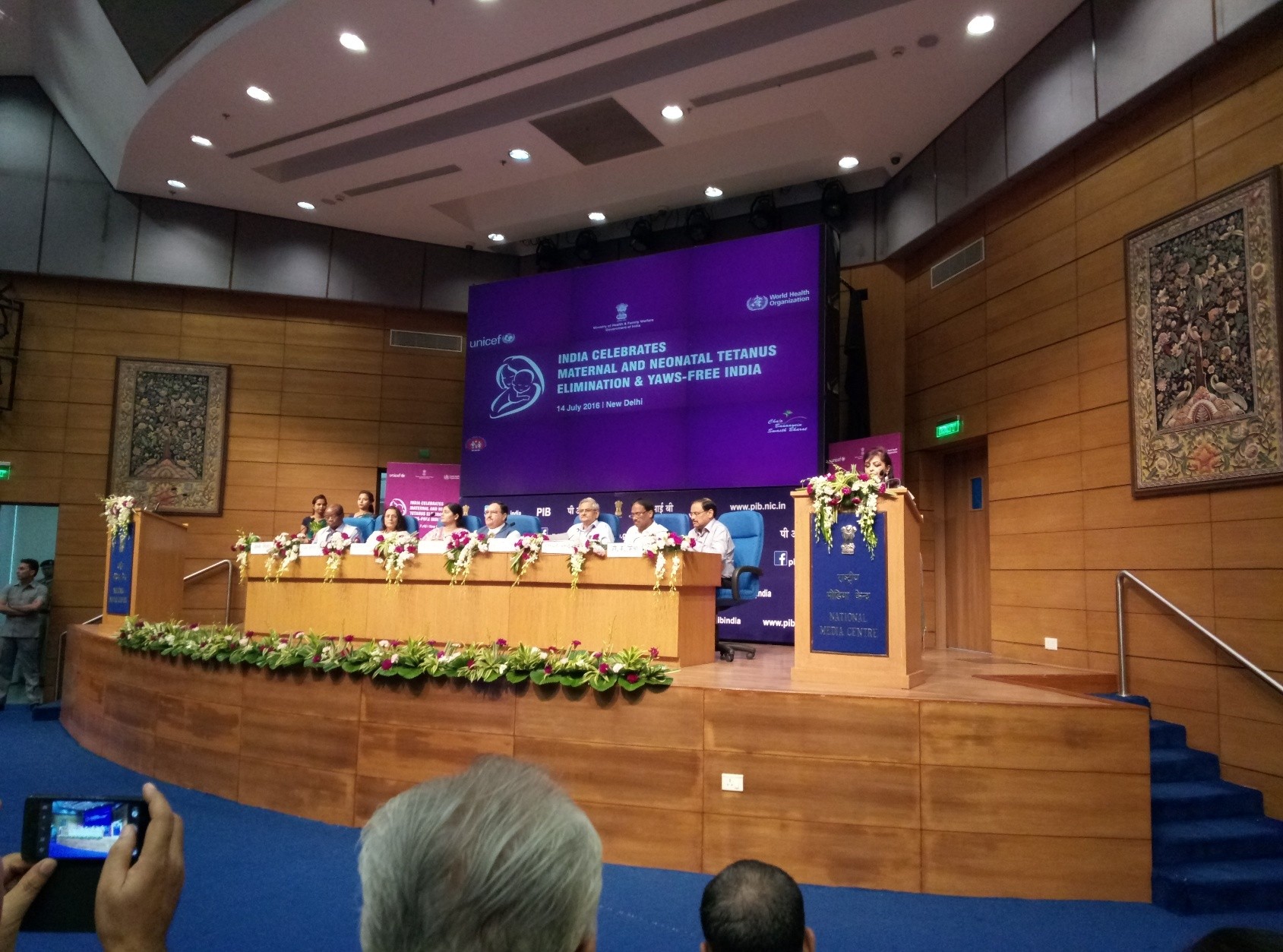
Declaration of yaws Free India (14 July, 2016)
3. Soil Transmitted Helminthiasis:
Soil-transmitted helminths (STH), namely roundworms, whipworms and hookworms, affect more than 2 billion people worldwide. STH infections have a high public health importance especially in developing countries like India. STHs are considered as one of the health markers for understanding the health and hygiene status of a particular region. The global diseases burden caused by the common STHs is estimated to be about 39 million disability-adjusted life years (DALY). Non-availability of accurate information on the prevalence or burden of disease in the community is a major obstacle to the timely implementation of preventive strategies like World Health Assembly Resolution, 2001 (WHA 54.19) advocating regular treatment of at least 75% of all school-aged children at risk of morbidity for STH infection by 2010. We need to understand prevalence and intensity of STH infections to guide deworming strategies (annual / bi-annual / none) as well as to assess impact of interventional strategies.
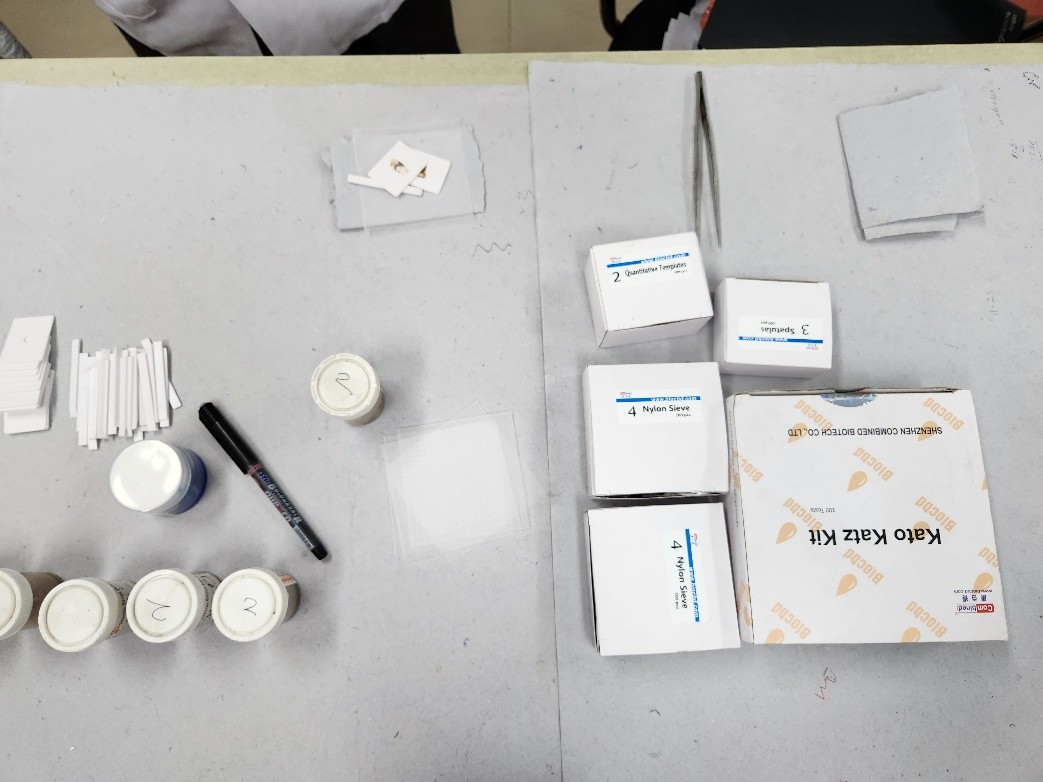
NCDC has been conducting STH estimation surveys since 1963 using various microscopic techniques like Formal ether concentration (FEC) and direct smear. Both these techniques were lacking in estimating intensity of the infection. From 1999, WHO sampling methodologies and Kato-Katz technique have been adopted for STH surveys.
NCDC has been identified by the Ministry of Health & Family Welfare as Nodal agency for control of Soil transmitted Helminthiasis in the country. With an objective to estimate STH prevalence rates in different regions of the country, NCDC has once again embarked upon a journey to map the disease load in the community.
In 2015 a WHO expert group meeting conducted at NCDC to map the STH prevalence in the country. Expert’s recommended sentinel sites survey methodology and identified 52 sites from Lymphatic filariasis endemic region and 98 sites from non LF districts. NCDC along with partner agencies had completed the countrywide survey and estimated the STH burden in the community.
Based on the survey results countrywide mapping of STH prevalence and intensity were prepared. The data has been shared with Ministry of Health & Family welfare, government of India to support the NDD programme. The current surveys have been conducted among school going children with age group of 9-12 years in different states in the country.
After completion of three consecutive years of National Deworming after the baseline surveys, NCDC completed first round of resurvey from 2019-2025.
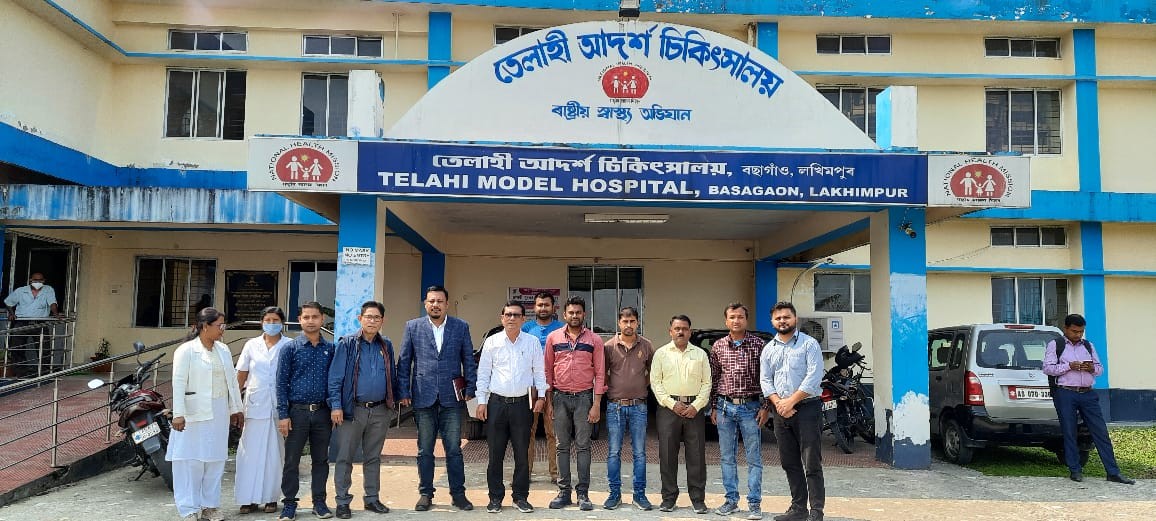
NCDC Team along with district health officials at Lakhimpur Assam during STH resurveys.
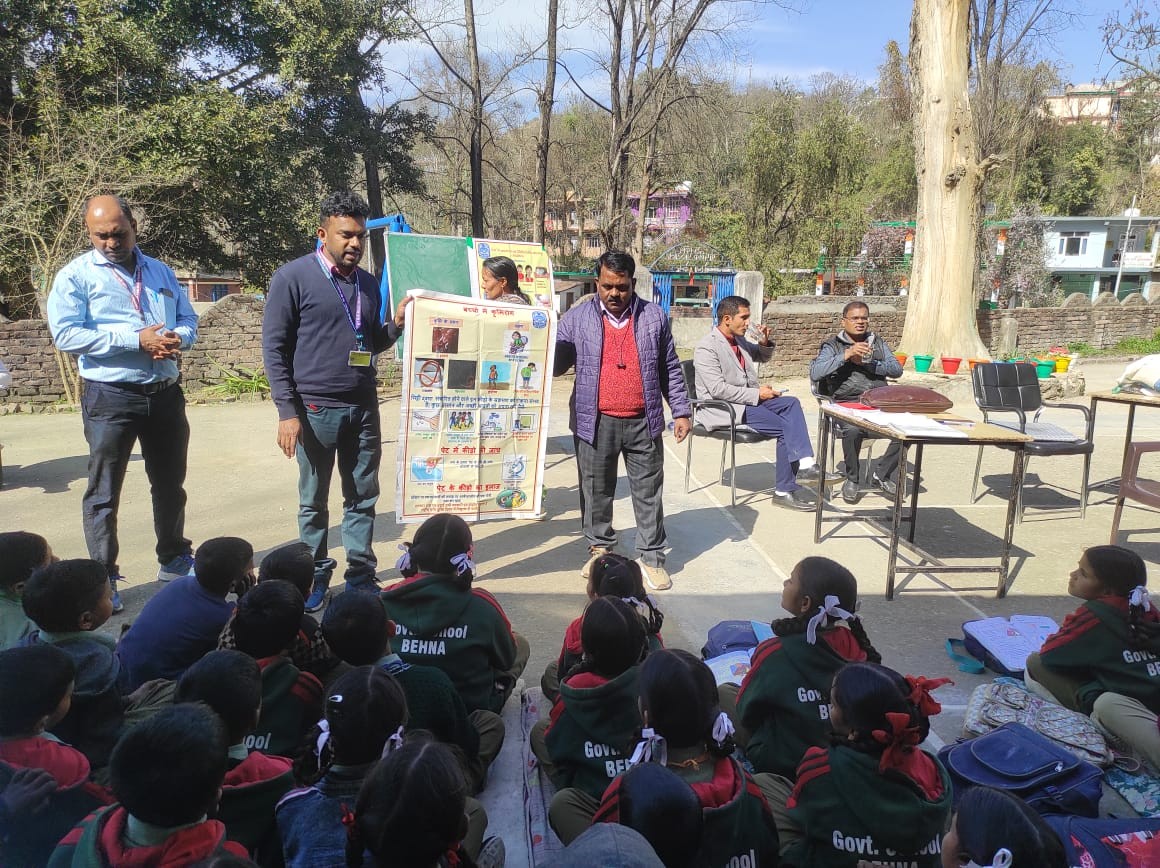
Demonstration to students about procedure of stool sample collection during STH resurvey at Himachal Pradesh.
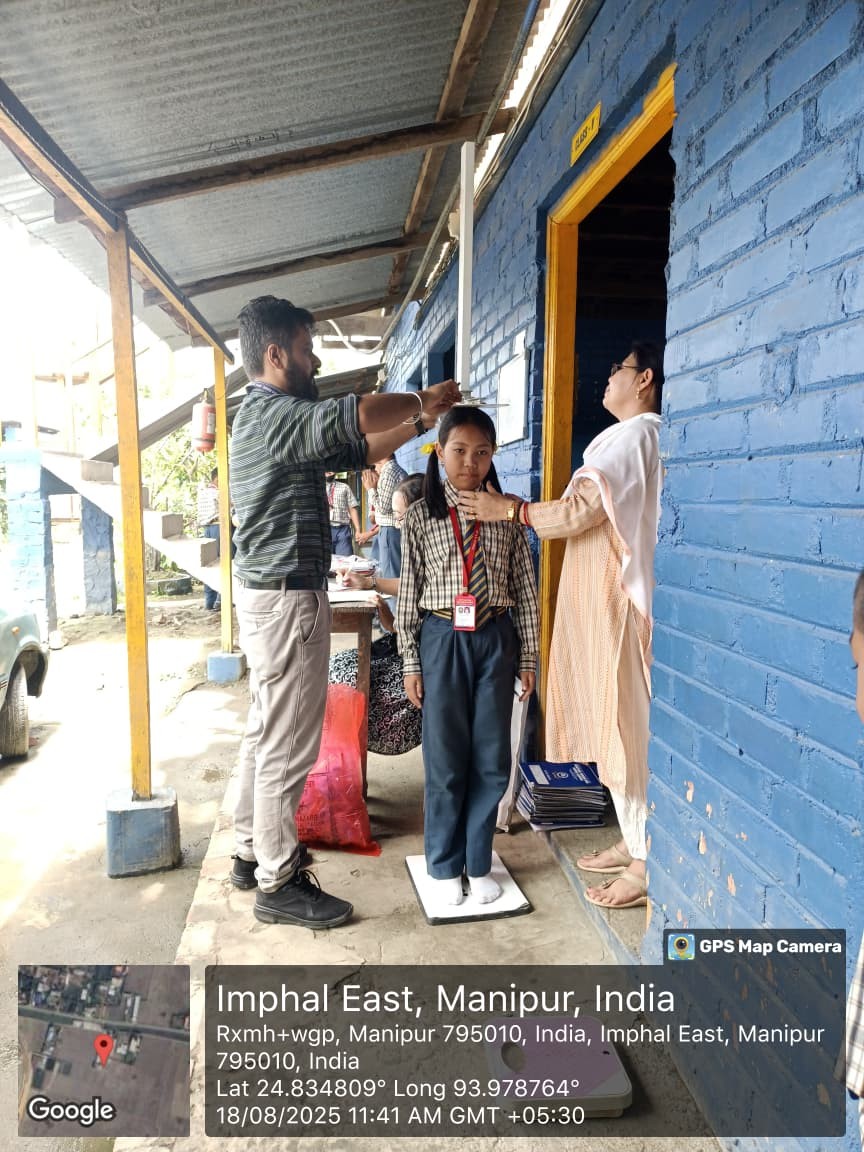
Collection of Health parameters of students at Imphal, Manipur
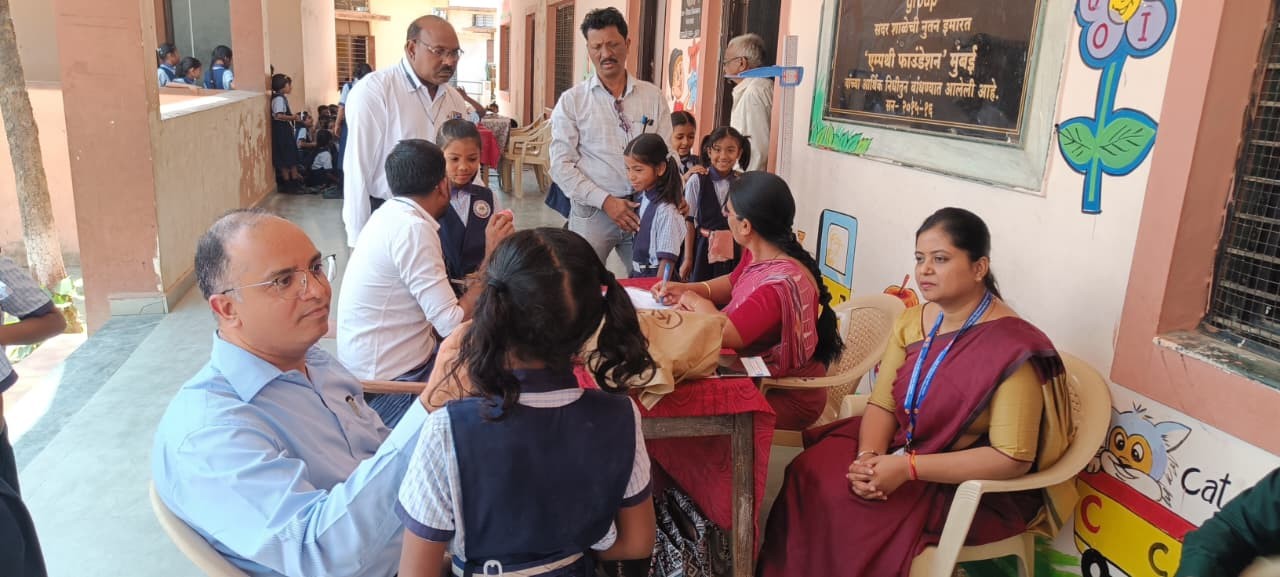
Stool vial distribution and health parameters collection at Amaravti Maharashtra.
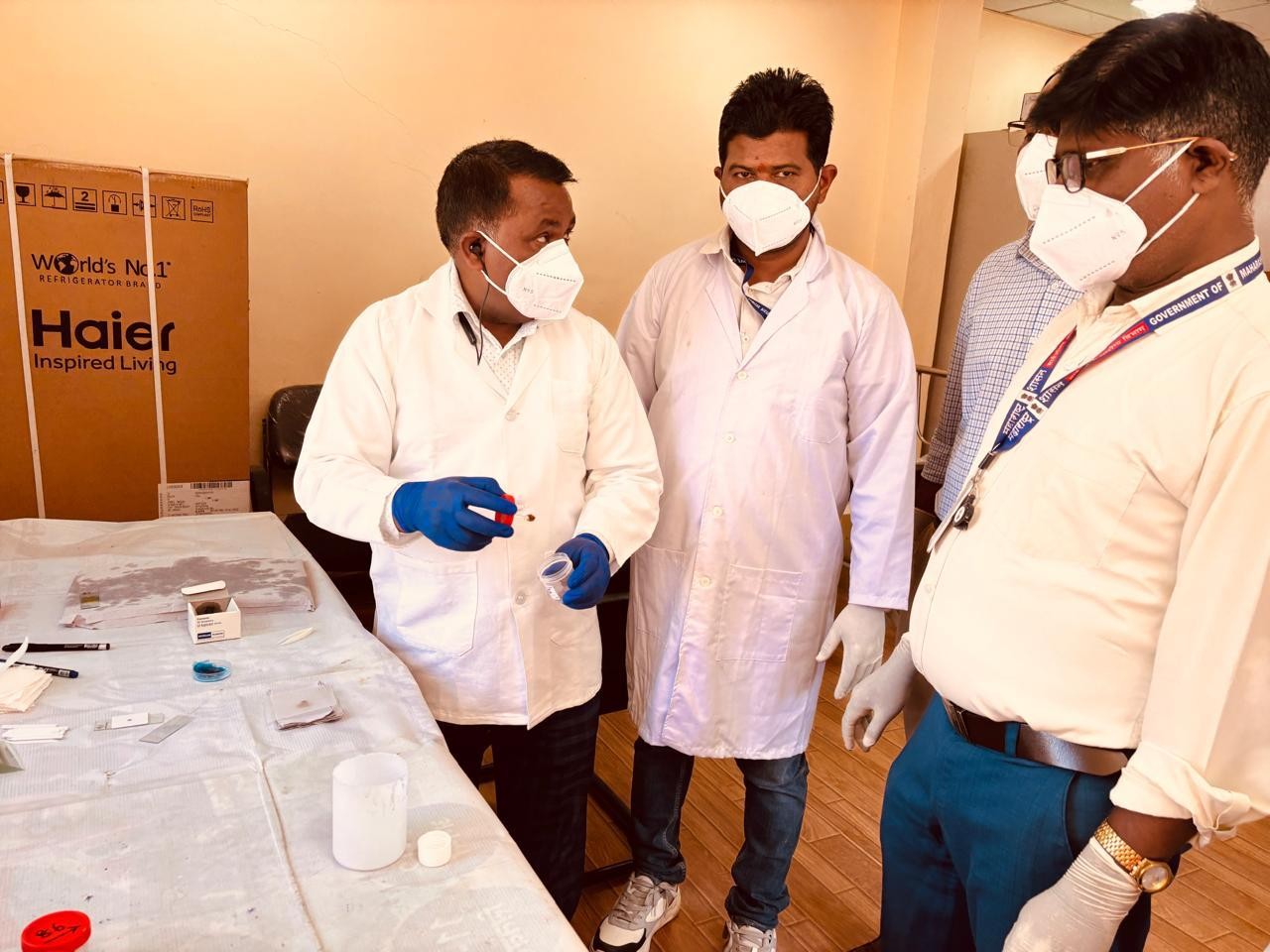
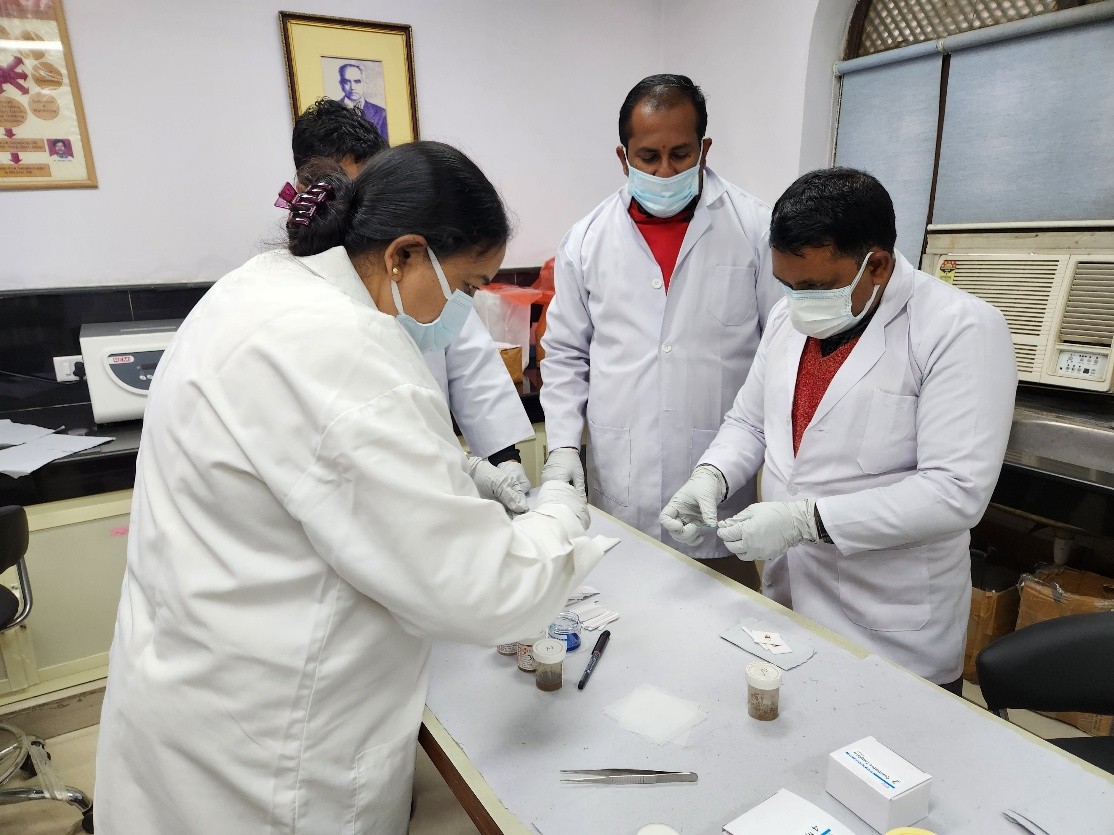
Demonstration of Stool Sample processing using Kato Katz method to district health officials at Chhatrapati Sambhajinagar, Maharashtra
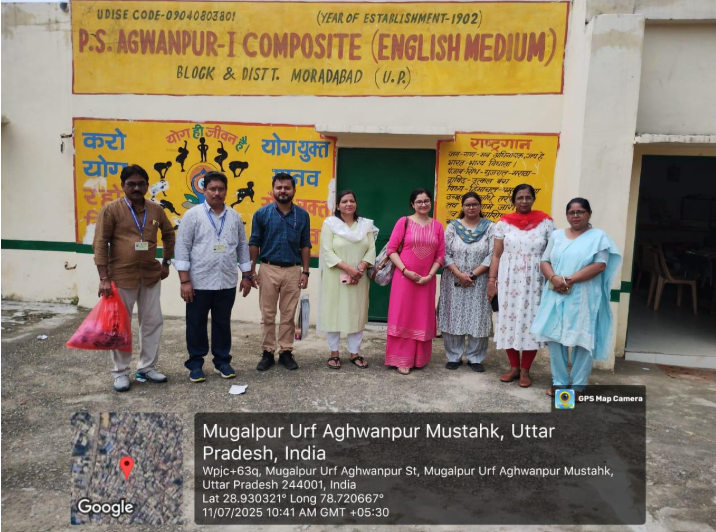
NCDC team along with District health officials at Moradabad, Uttar Pradesh
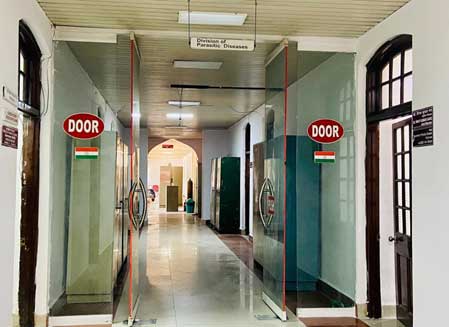
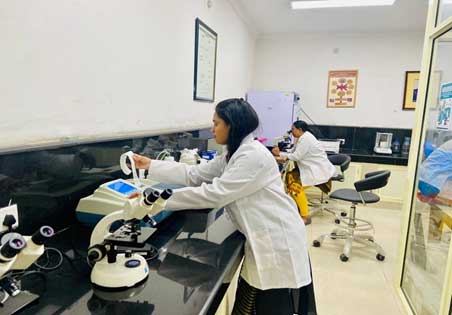
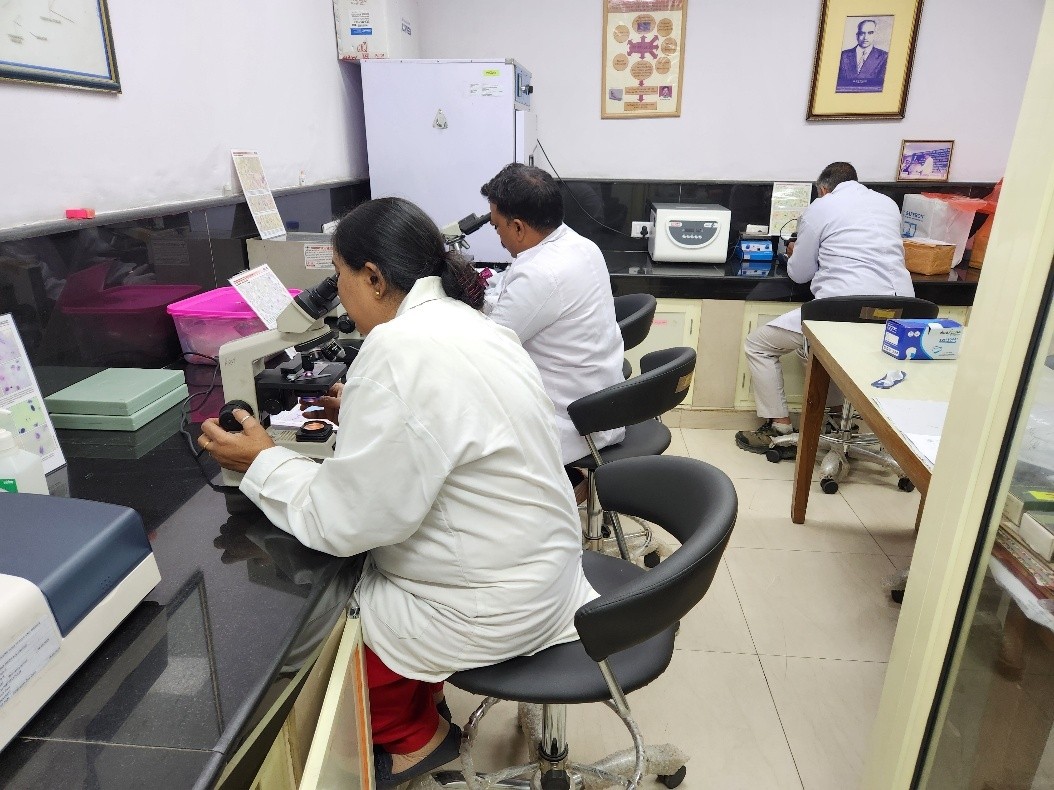
Glimpses of DPD Laboratory
Lymphatic Filariasis
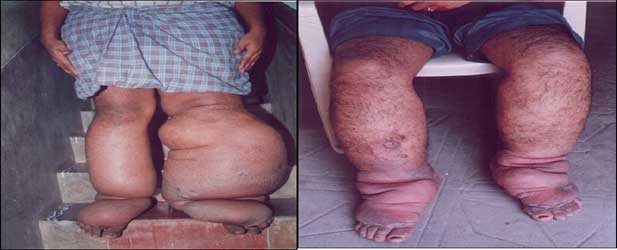
Lymphatic Filariasis- Patients with Elephantiasis
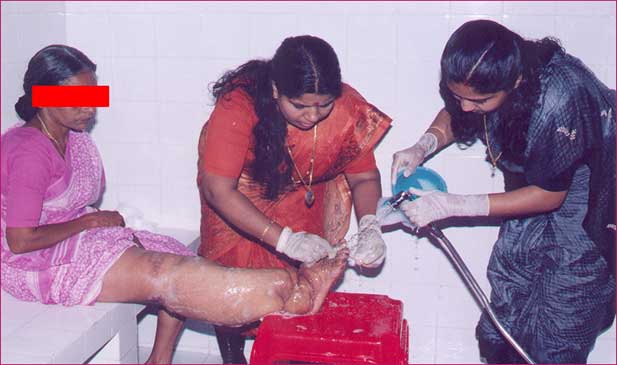
Lymphedema Management services provided at NCDC branch Clinic