Centre for Climate Change & Health
National Programme on Climate Change and Human Health (NPCCHH)
Introduction
Climate-sensitive illnesses are on the rise due to climate change and extremes of weather either through direct or indirect impact.
The United Nations Framework Convention on Climate Change (UNFCCC) and its Kyoto Protocol in 1997 refers to the international legal framework
for the Climate change process. Sustainable Development Goal 13 (SDG 13) emphasises “taking urgent action to combat climate change and its impacts.”
About the Division
The Centre for Climate Change and Health at the National Centre for Disease Control
is the nodal agency for implementing the Health Mission that is part of the Prime Minister’s Council on Climate Change.
National Mission on Climate Change and Health
Goals
- To reduce morbidity, mortality, injuries, and health vulnerability due to climate variability and extreme weather.
Objectives
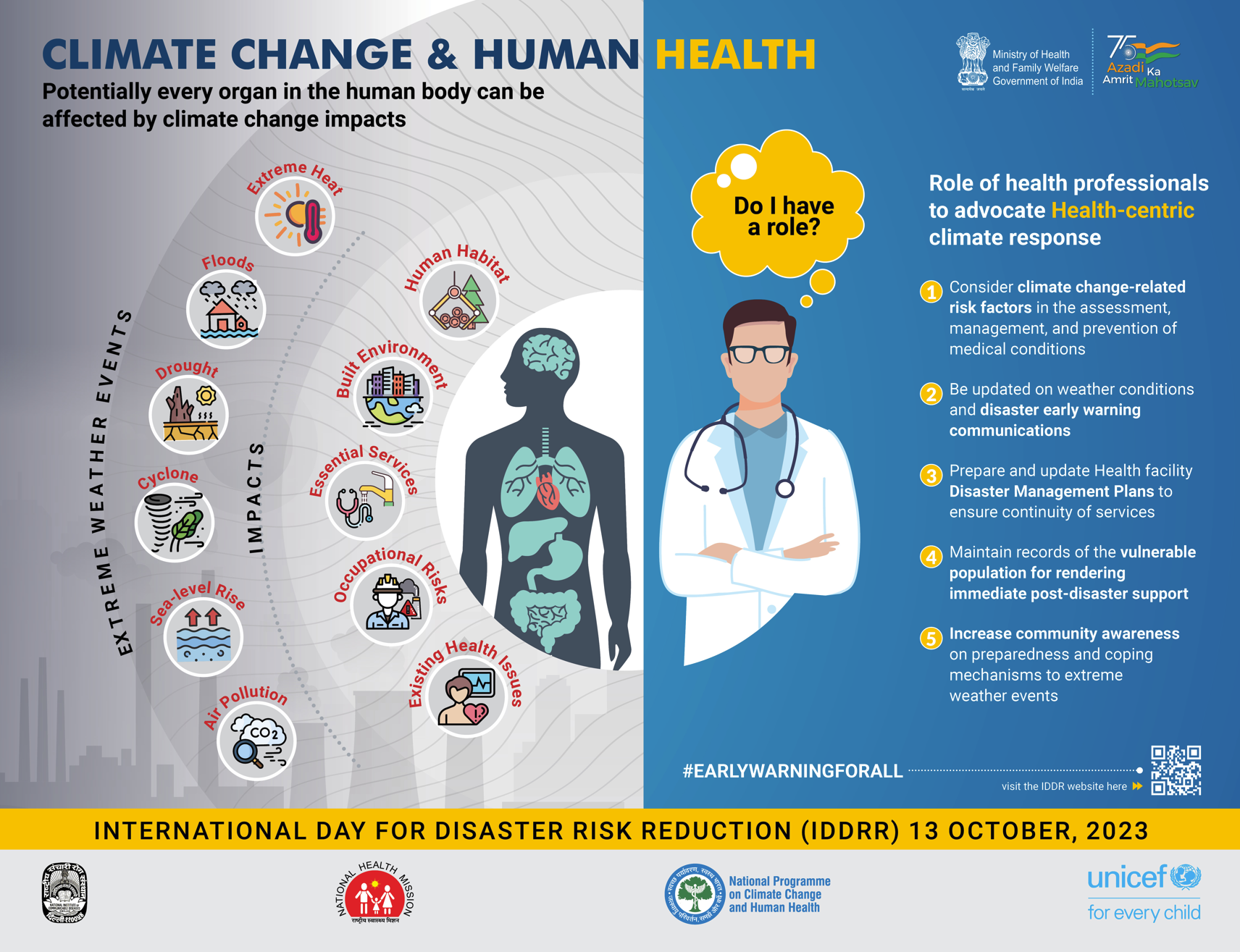
- To create awareness regarding the impacts of climate change on human health.
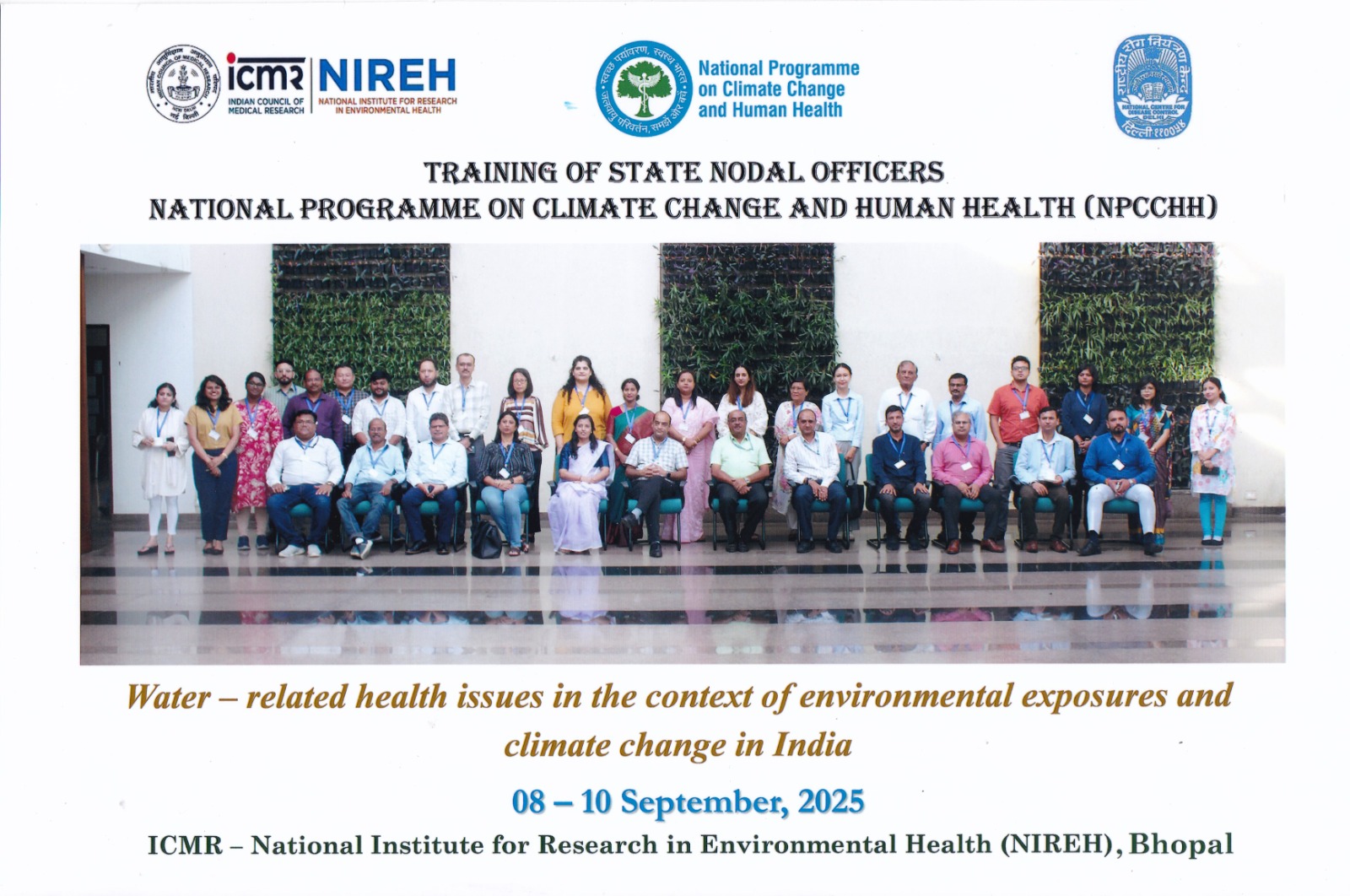
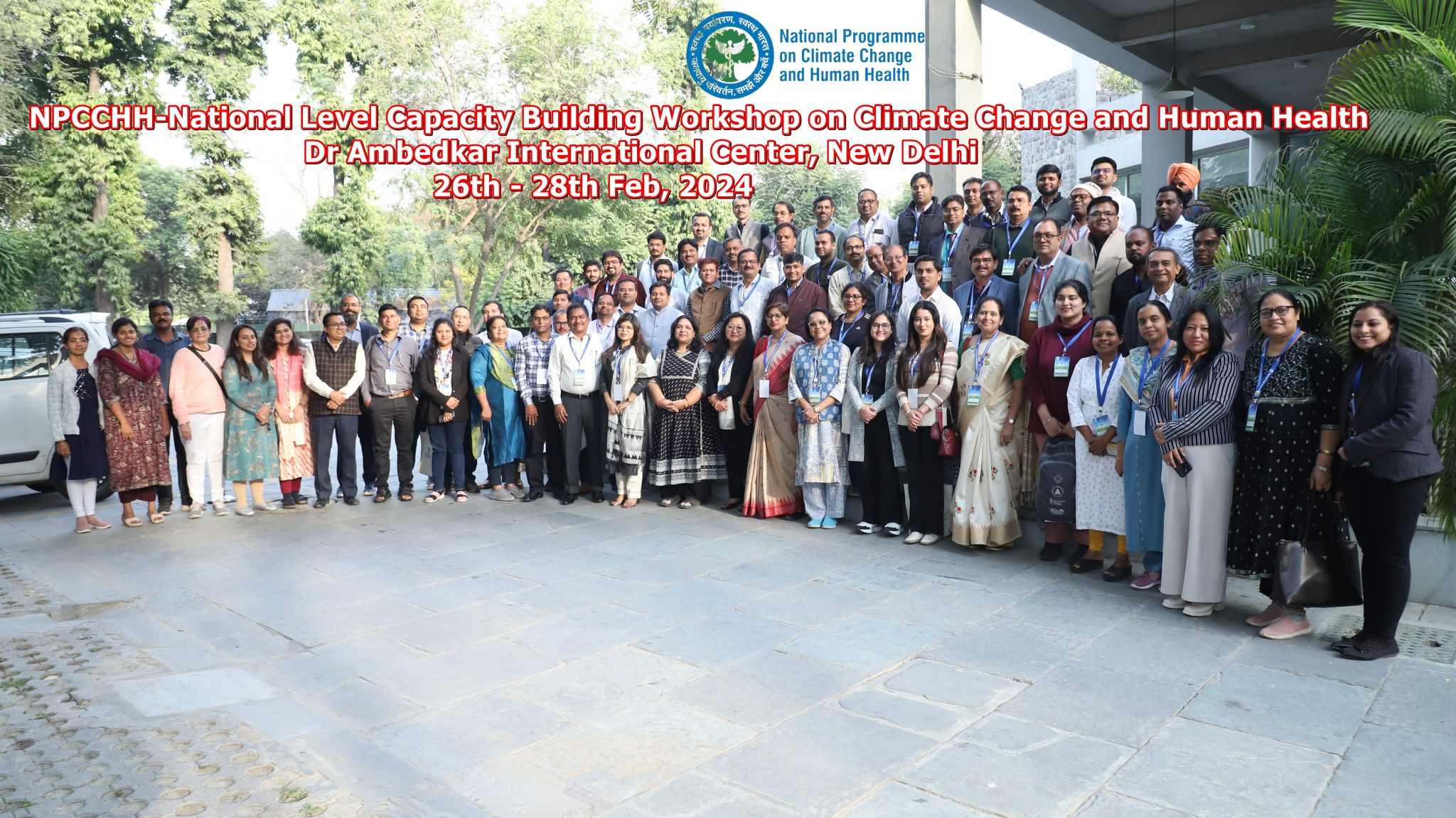
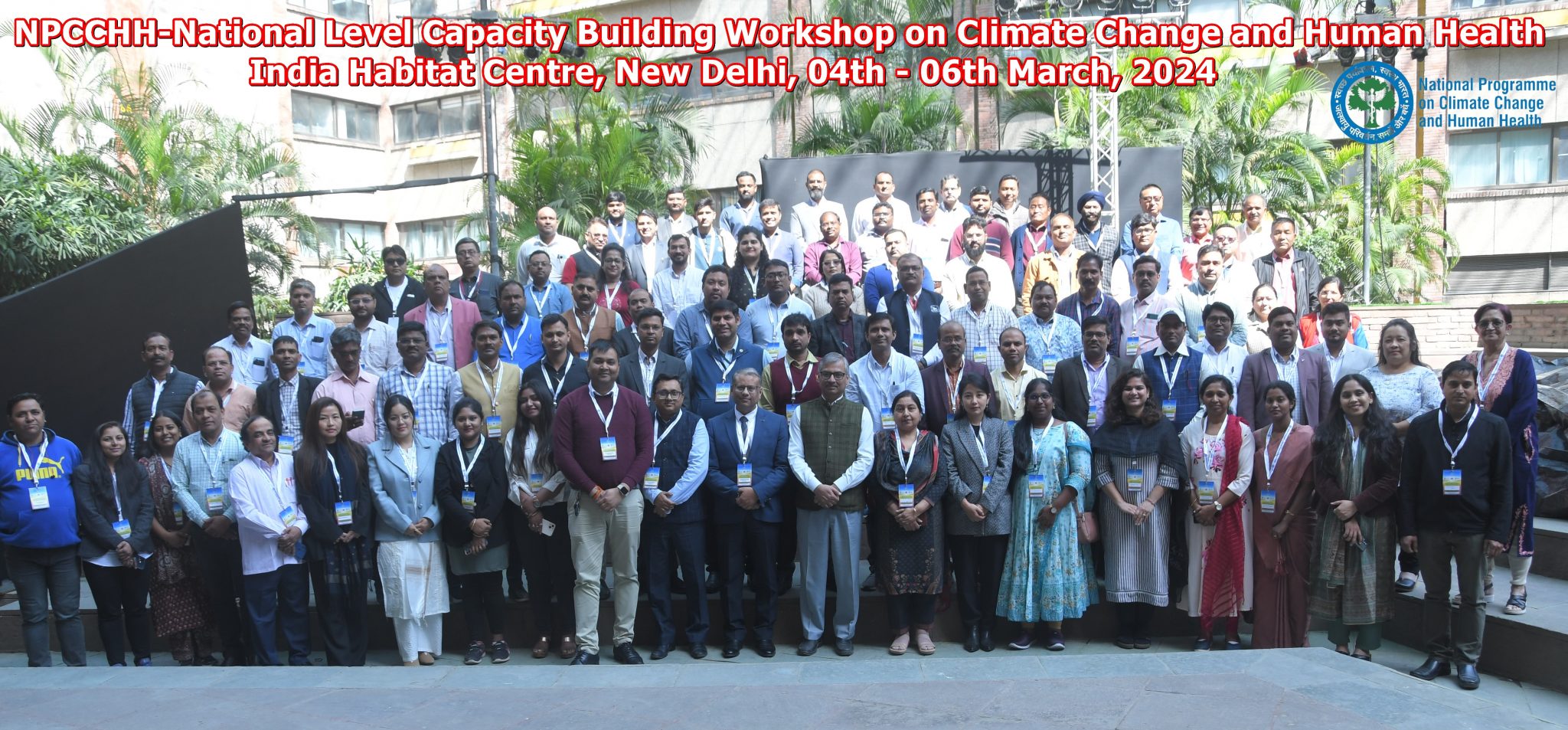
- To strengthen the capacity of the health workforce on climate change and its impact on human health.
- To strengthen health preparedness and response by performing situational analysis, developing adaptation plans, and building climate-resilient health infrastructure.
- To develop partnerships with other missions, ministries, national programs and organizations.
Key Activities
- NAPCCH was developed in 2019 and revised in 2021 to outline health adaptation strategies against climate-sensitive illnesses
- Thematic areas covered: Heat-related illnesses, vector-borne diseases, Extreme weather events, Green and climate-resilient healthcare systems, and Air pollution-related illnesses
2. State Action Plan on Climate Change and Human Health
- India is diverse country with diverse geoclimatic conditions. Accordingly, all states and union territories have developed their own state specific action plan for climate change and human health (SAPCCHH)
- Thematic areas covered: heat health action plans, air pollution and health action plans, climate change and extreme weather events action plan, climate change and climate resilient healthcare infrastructure action plan, climate change and vector borne diseases action plan.
3. National, State, and district-level governance frameworks have been setup and operationalized:
- There is high-level committee at the national level, there are Governing Body & Multi-sectoral Task Force at sate level,
there is multi-sectoral task force and Environment Health Cell at District level
4. District Action Plan on Climate Change & human Health:
- District-level Program Officers are being trained and supported to develop District Action Plans on Climate Change and Human Health, aimed at addressing specific concerns relevant to their respective districts.
5. NCDC, in collaboration with its partners, has developed(district-level) Climate and Health Risk Assessments for the country.
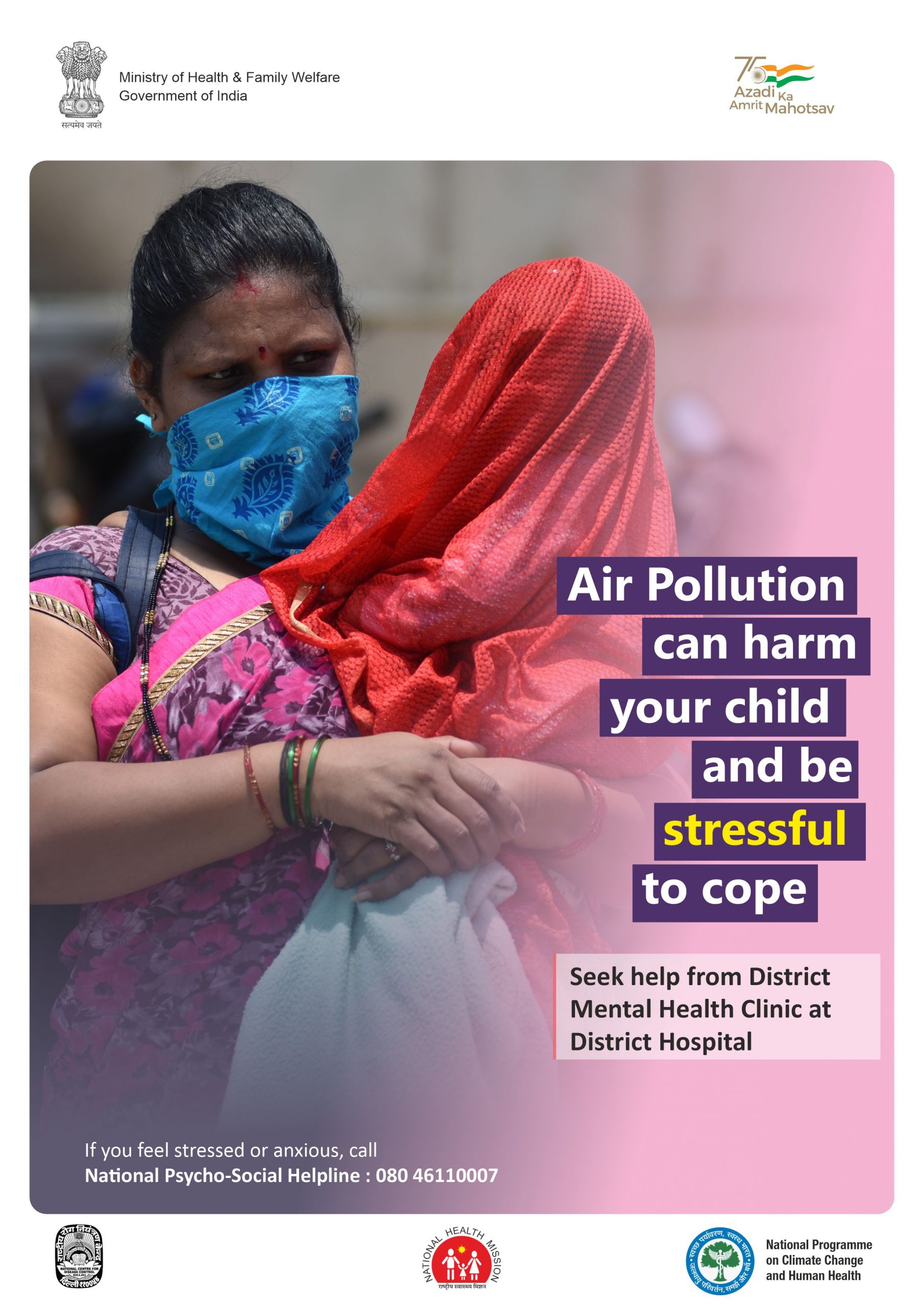
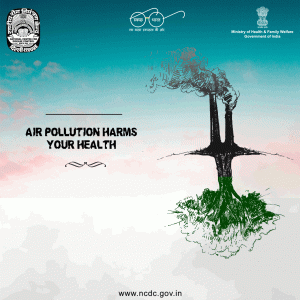
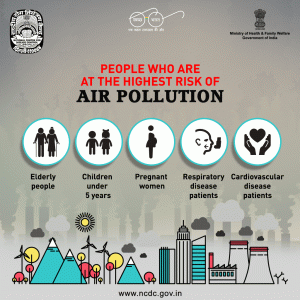
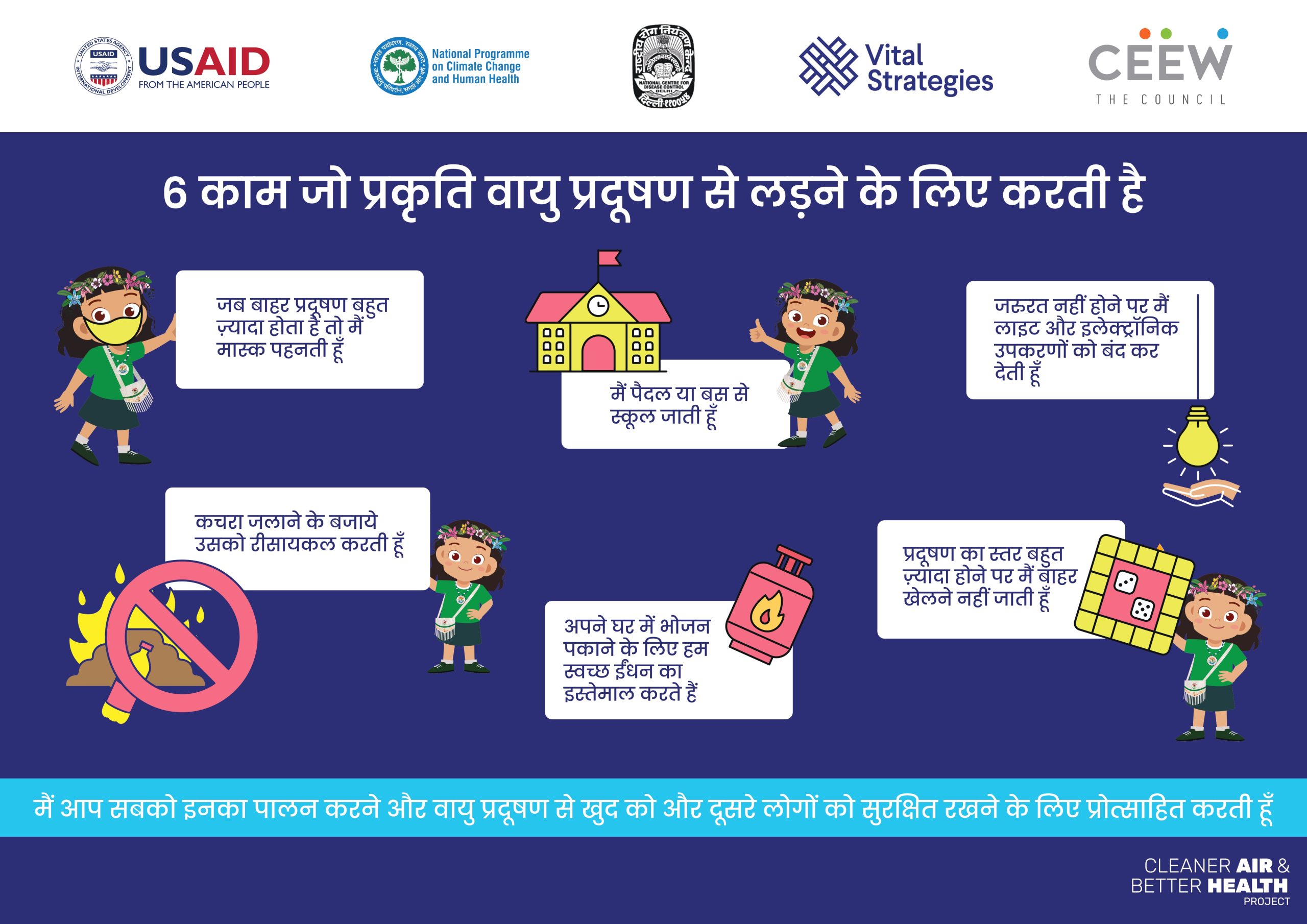
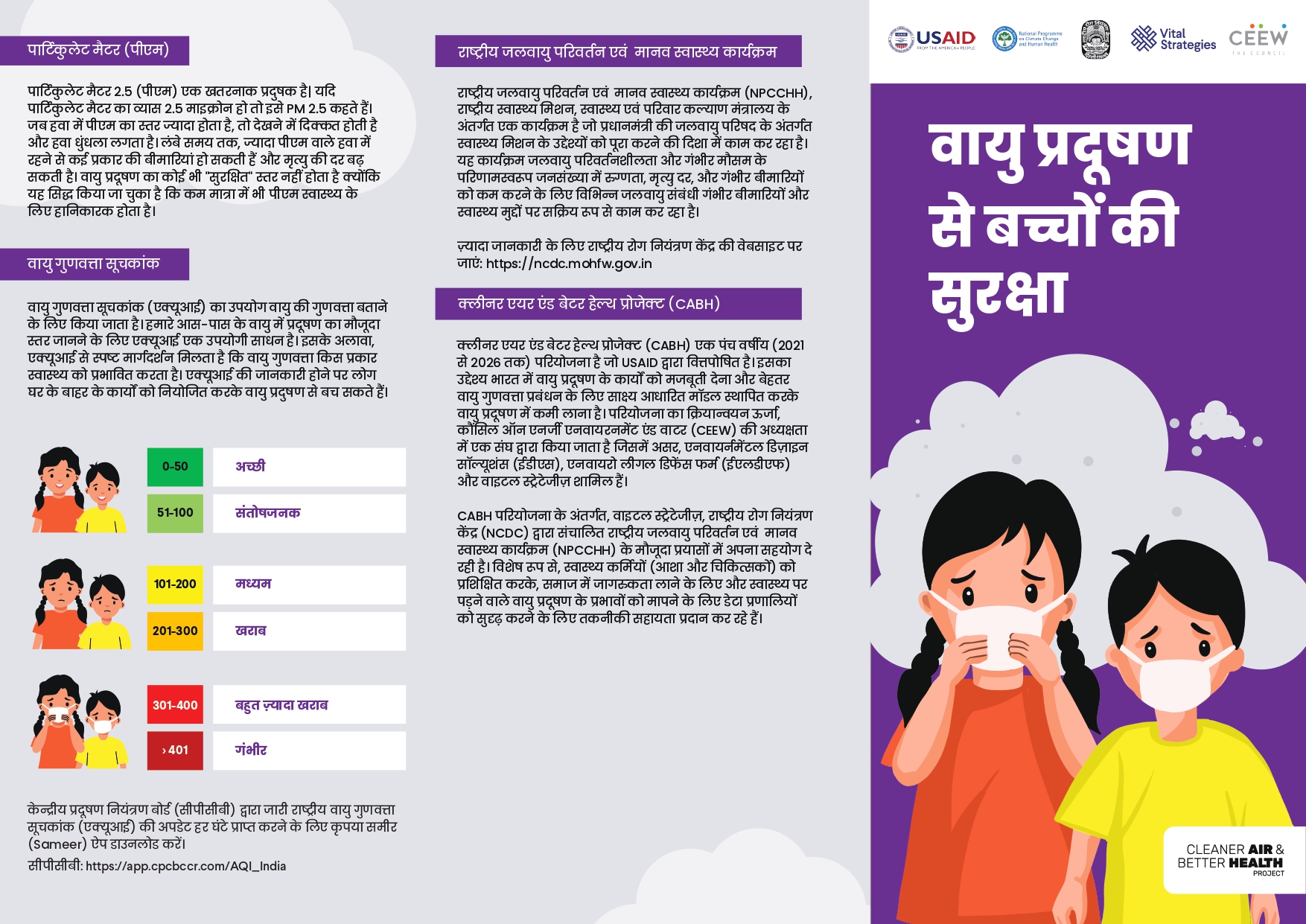
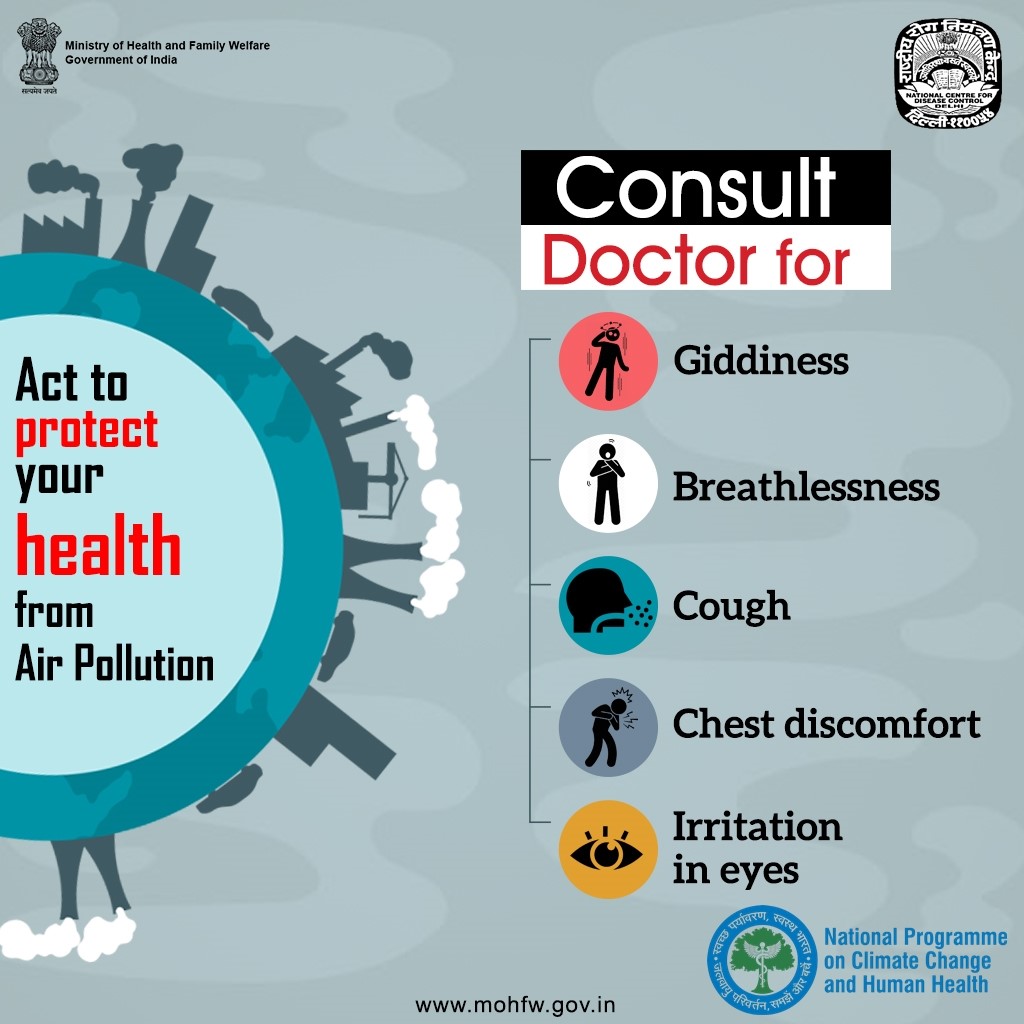
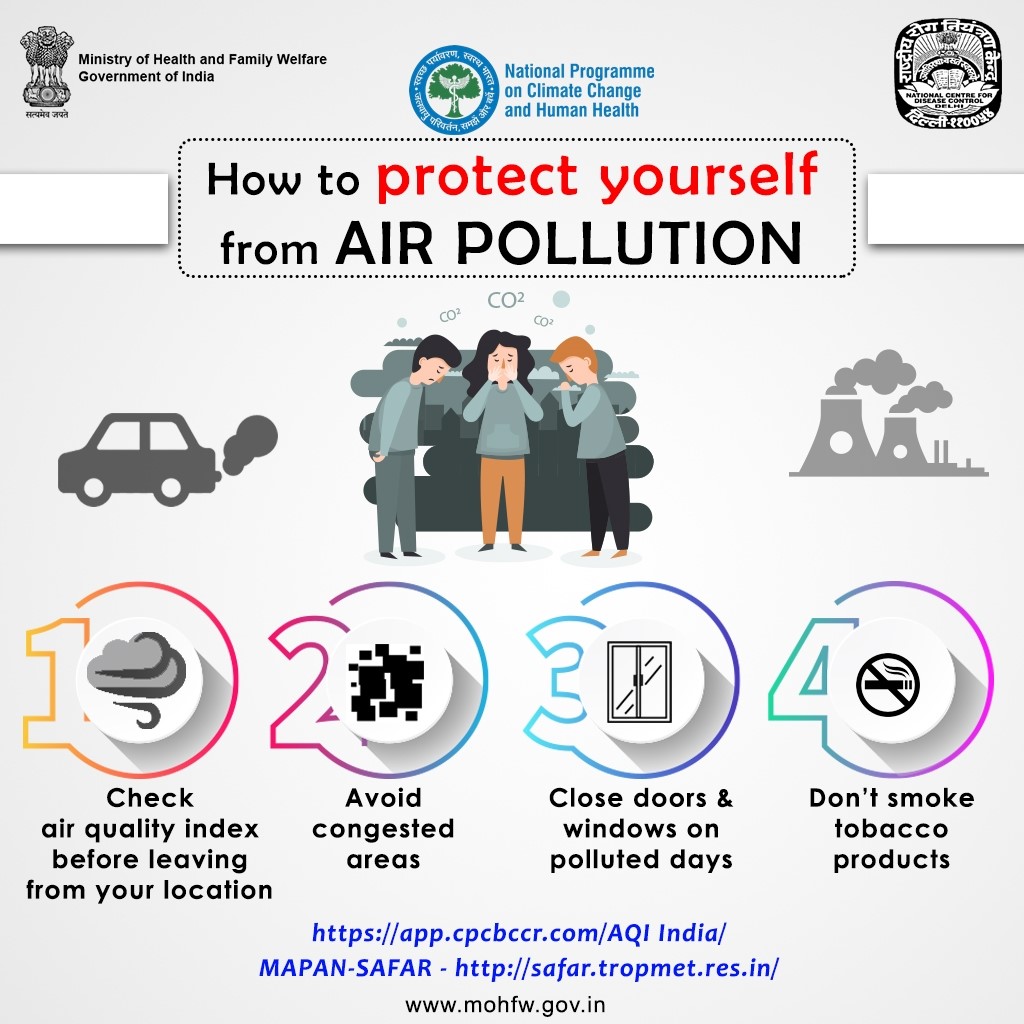
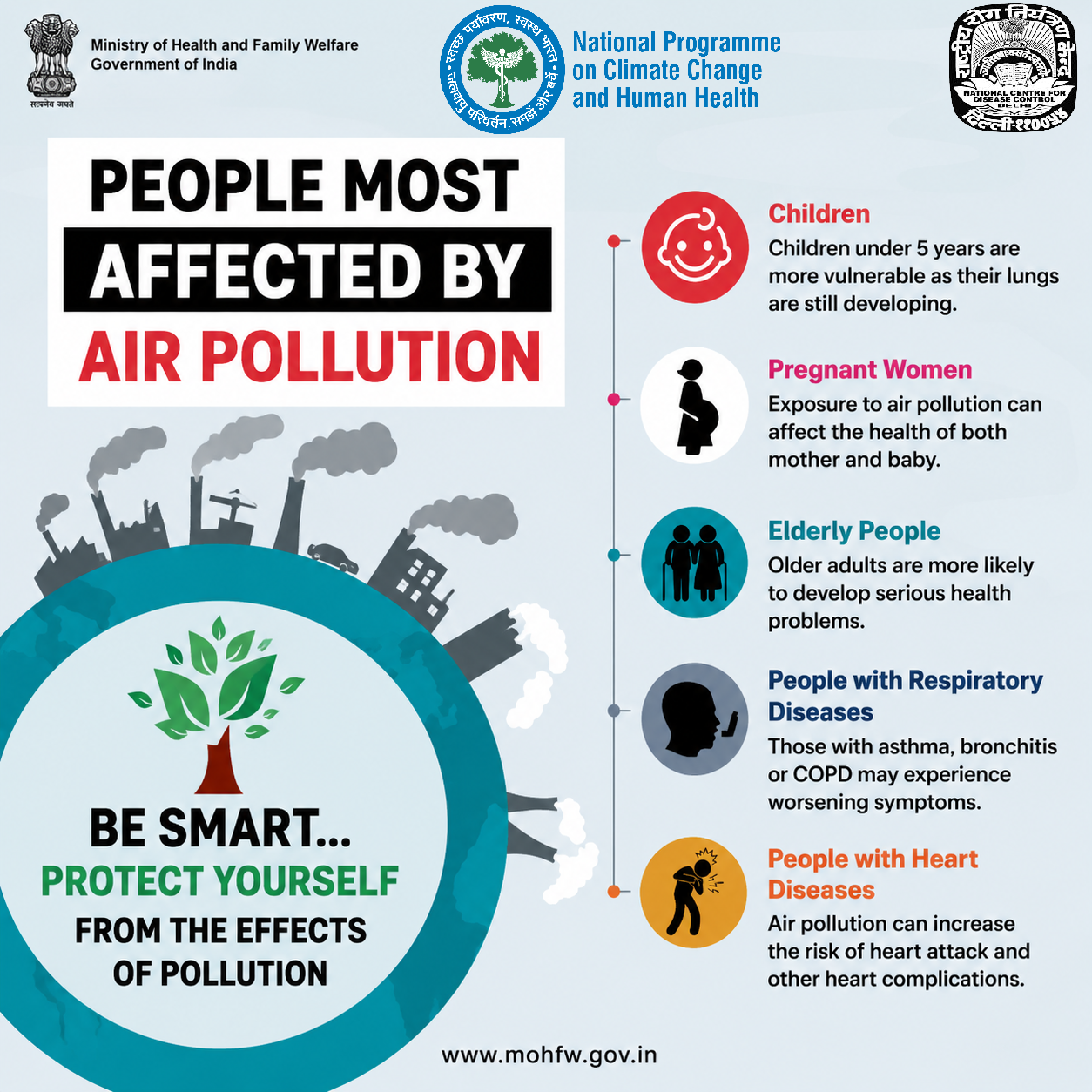
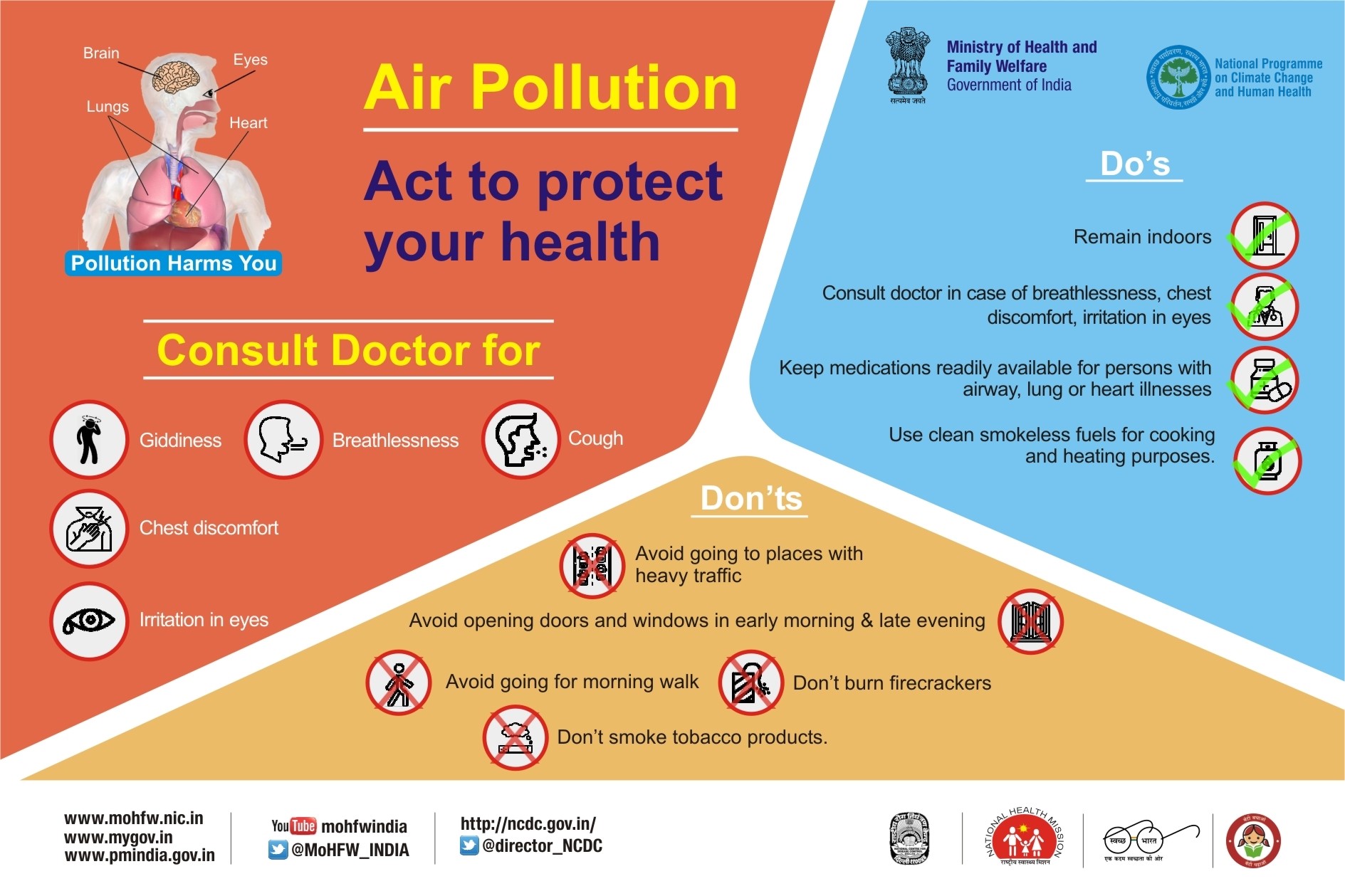
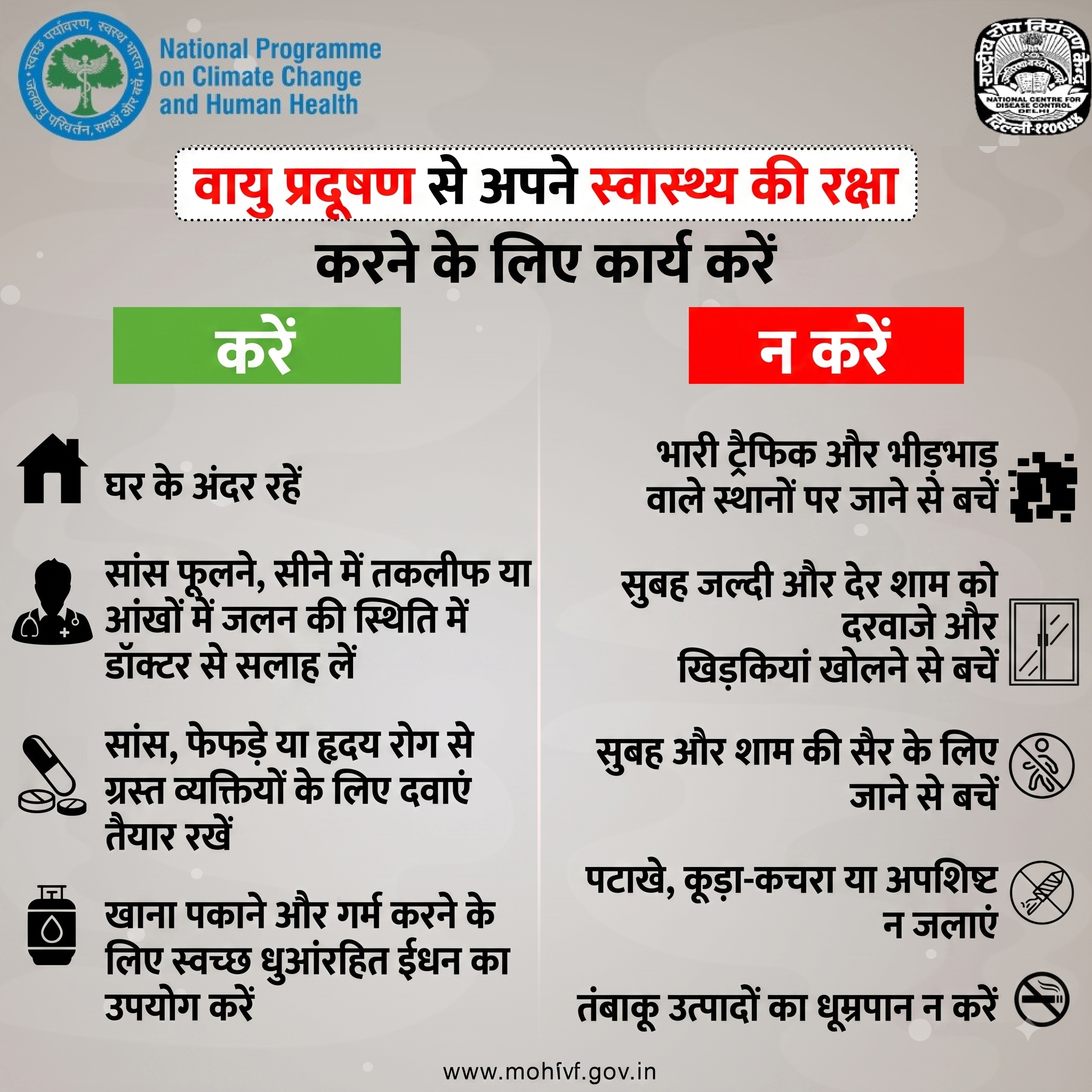
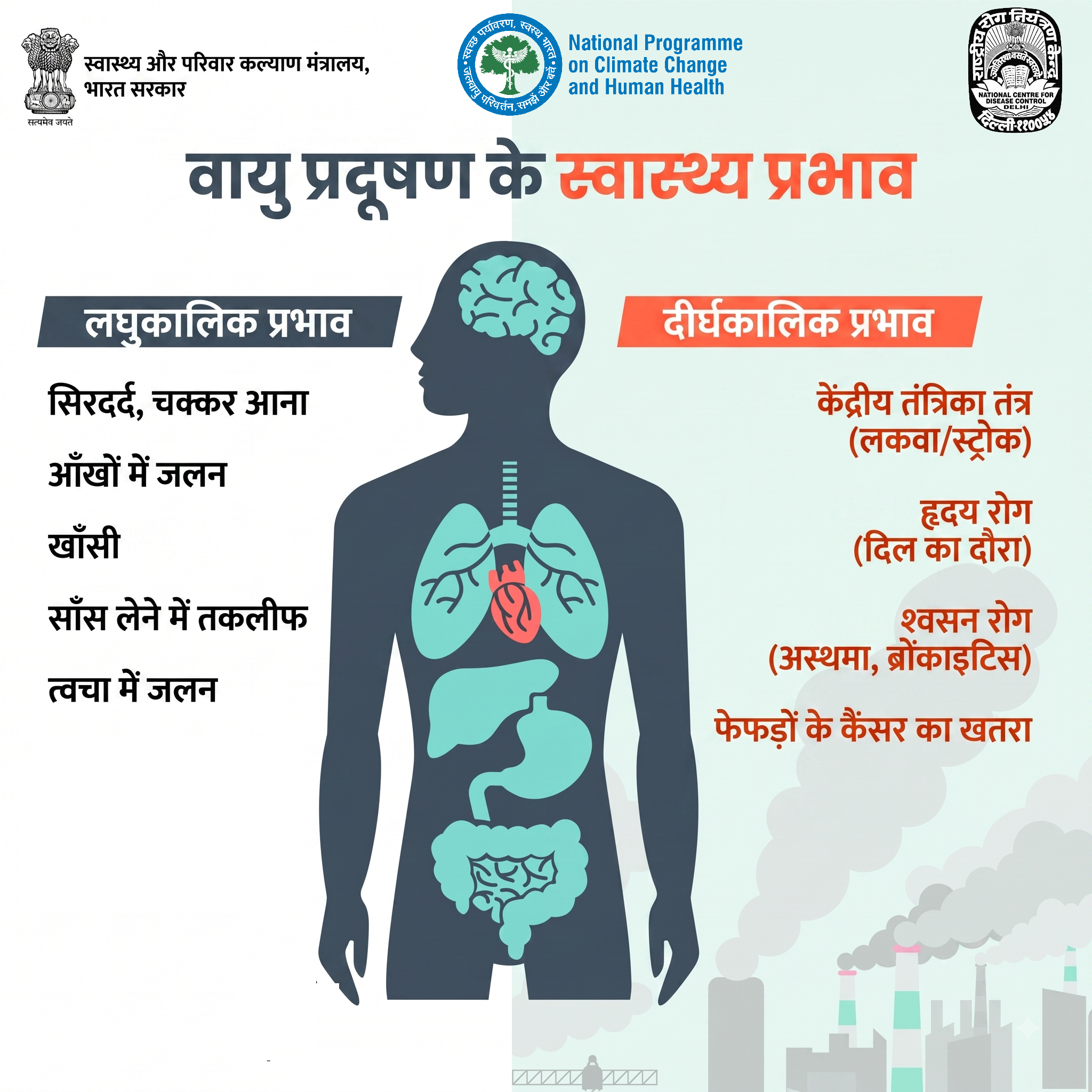
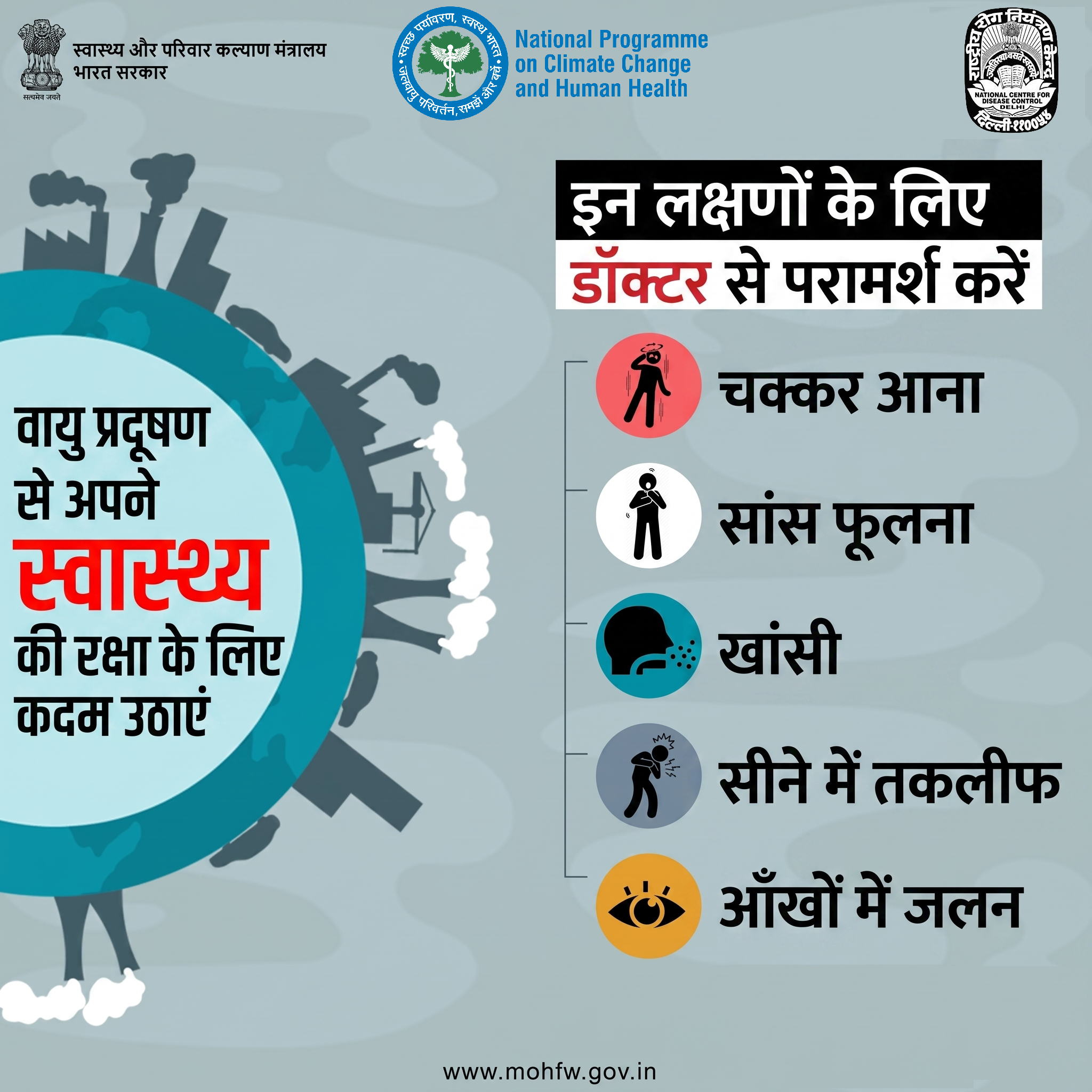
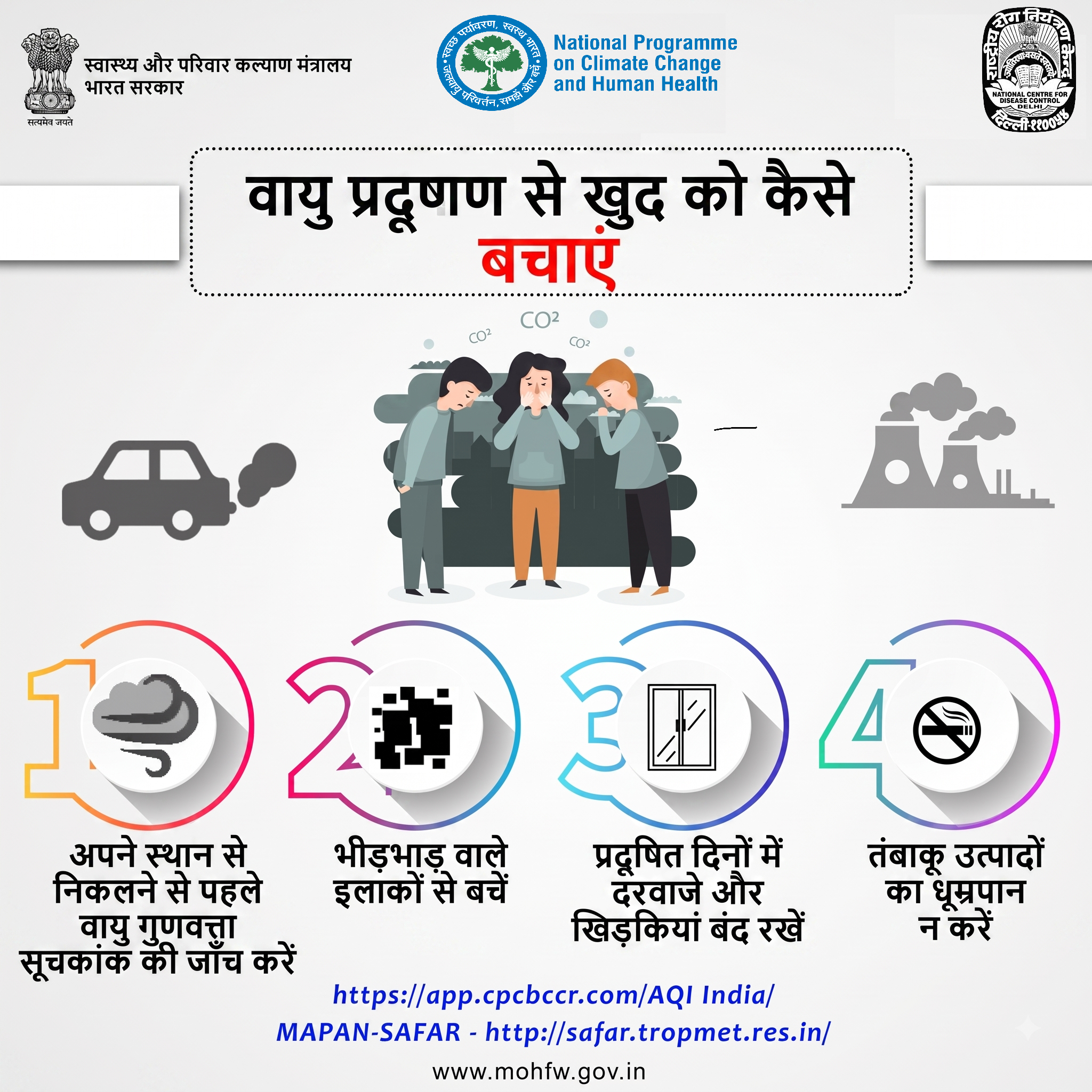
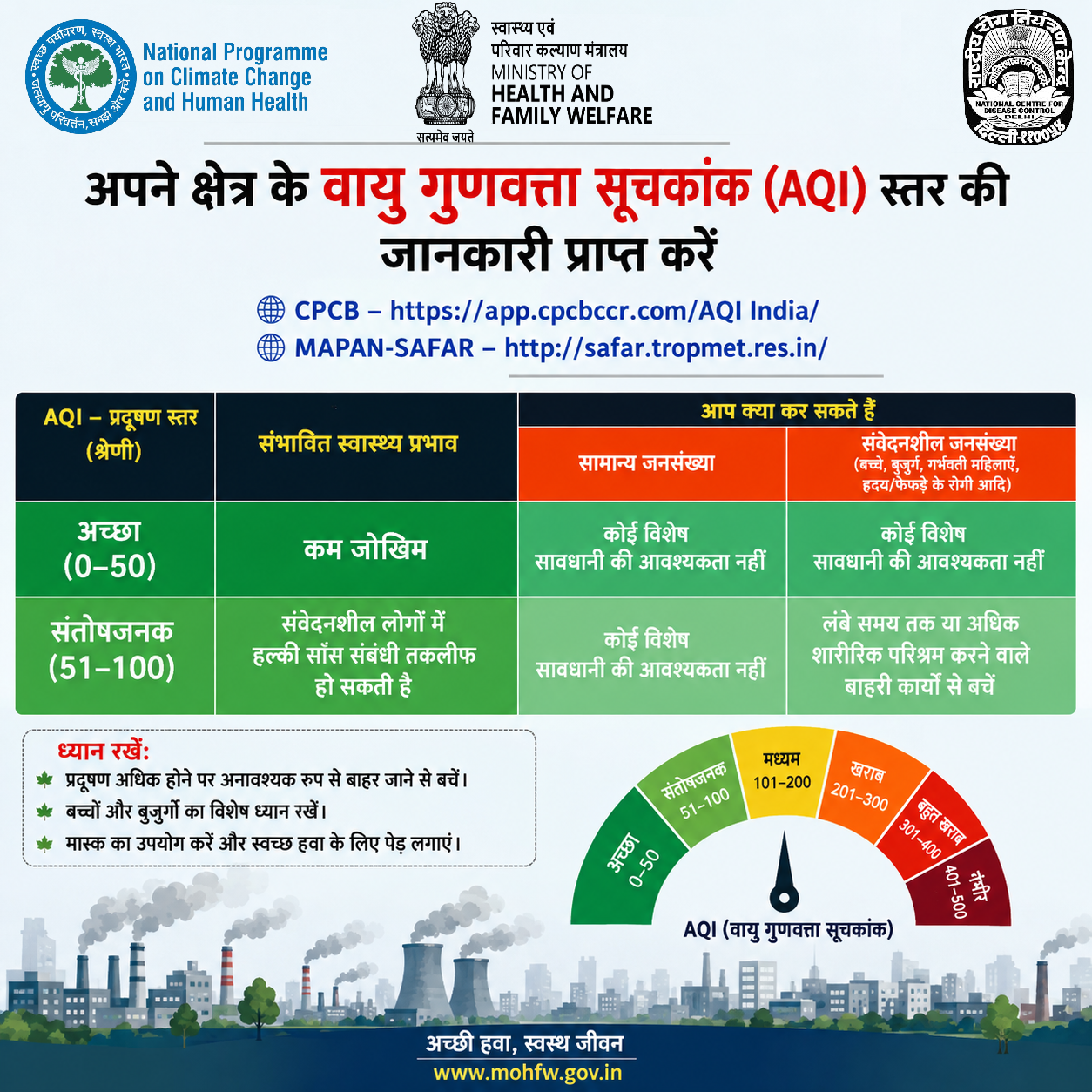
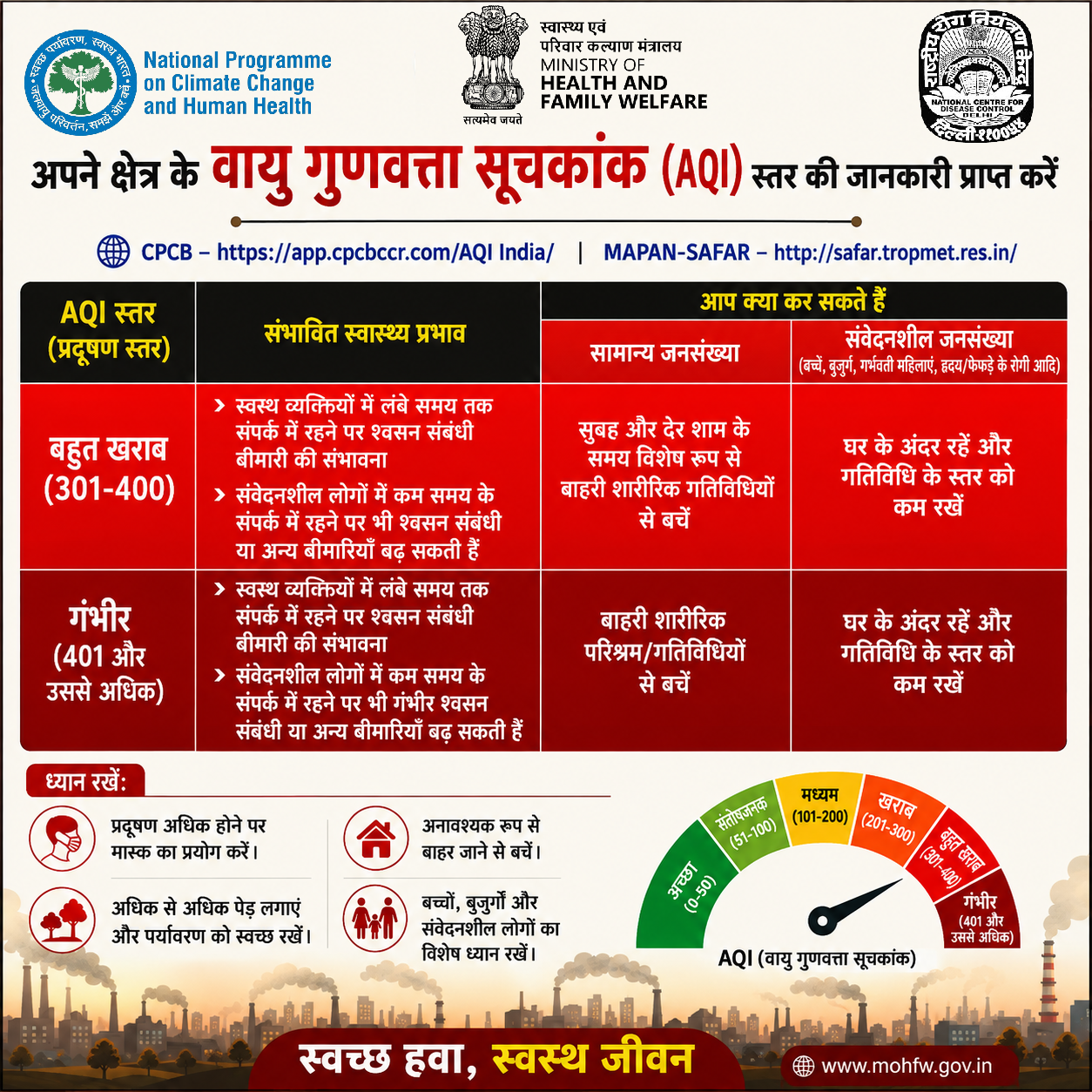
6. Thematic Area: Air Pollution and Health
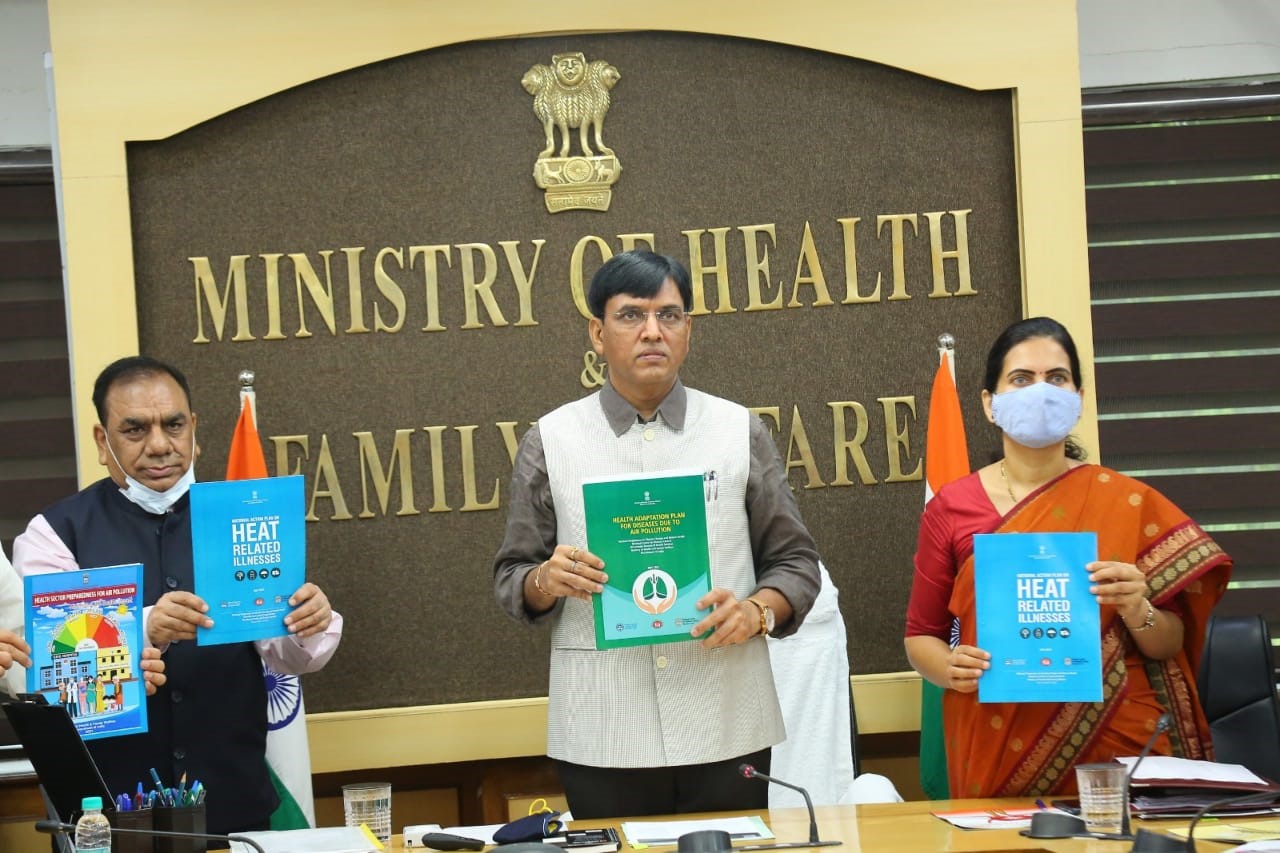
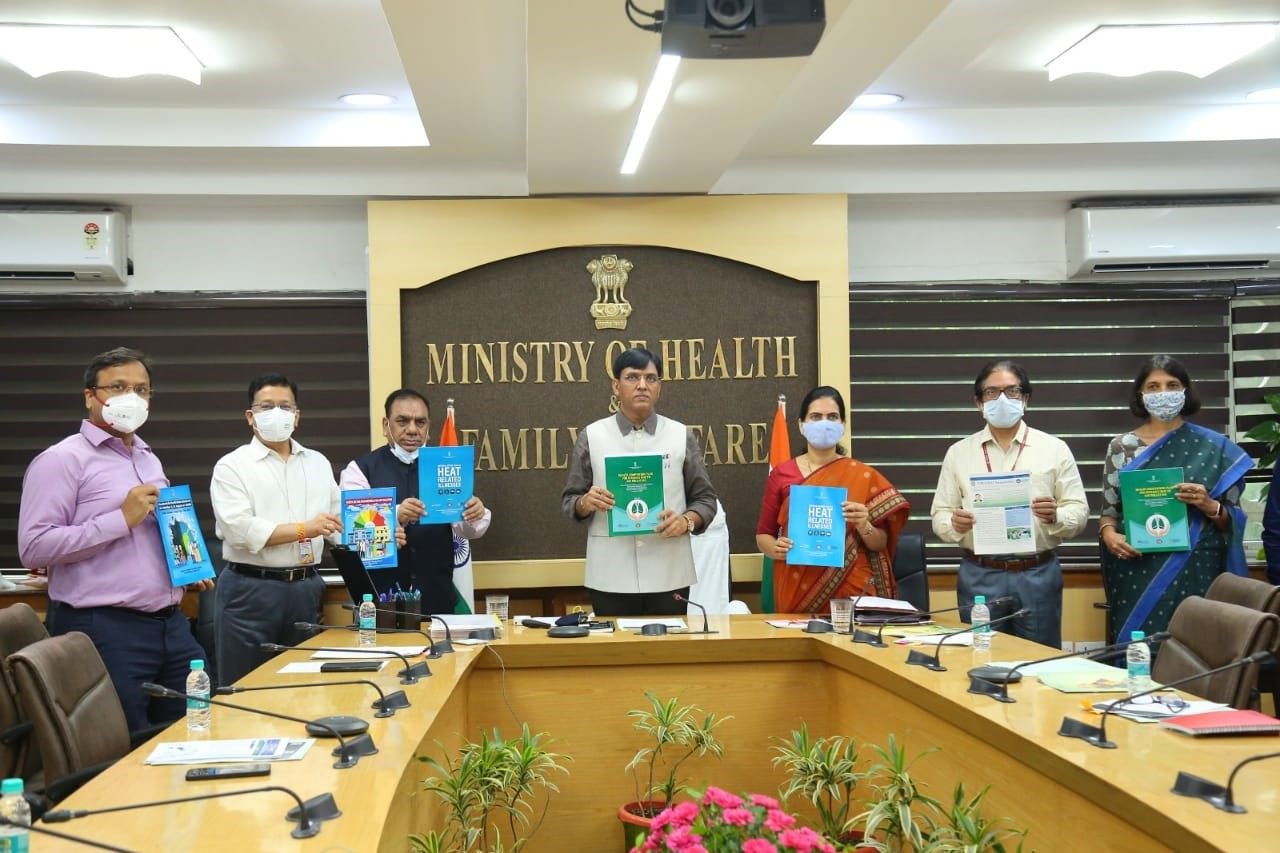
- Health Adaptation Plan for Diseases Due to Air Pollution prepared and launched in 2021
- Air pollution health action plans developed by all states and UTs
Nation outdoor air pollution disease surveillance:
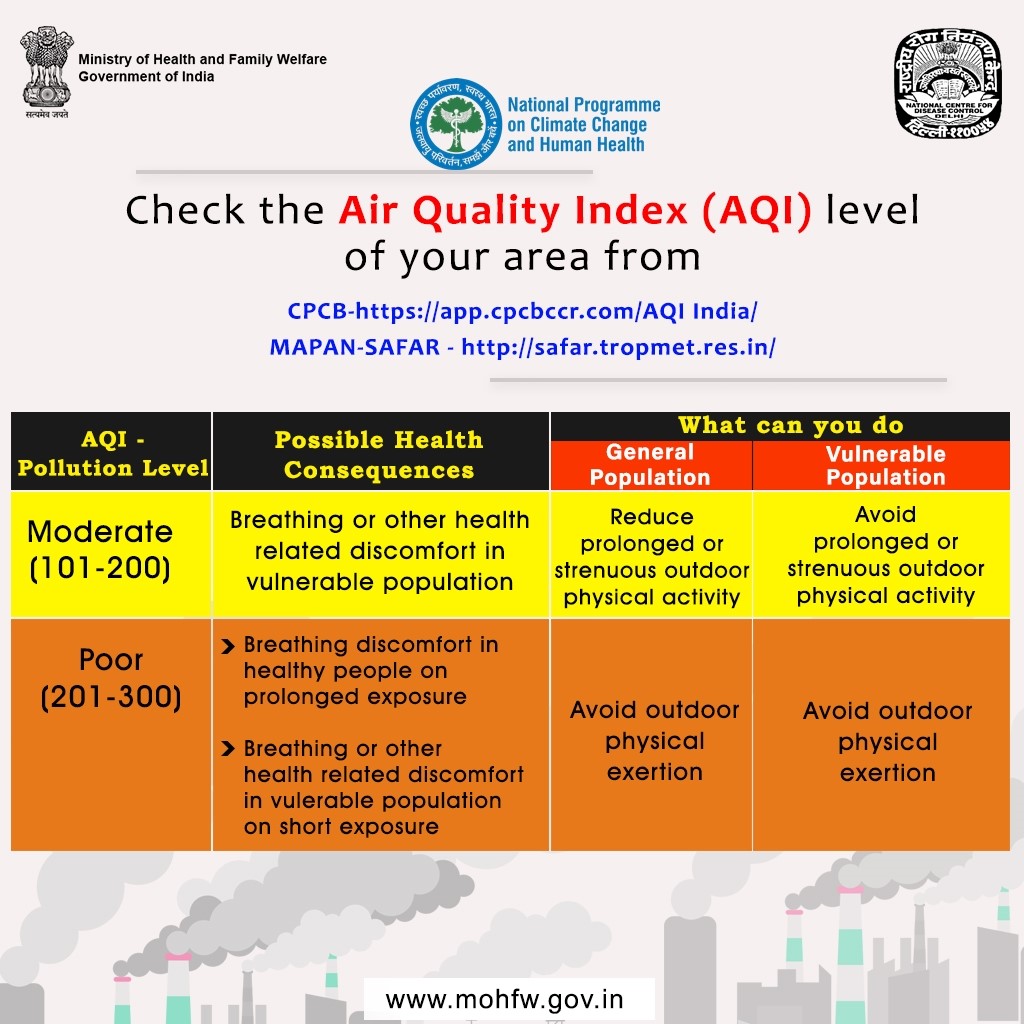
- App base digital surveillance on IHIP with incorporation of Air quality data from Central Pollution Control Board
- Hospital-based surveillance in cities including do under National Clean Air Programmed (NCAP)
- Strengthening Modules and workshops for program officers, surveillance officers, medical officers Health workers
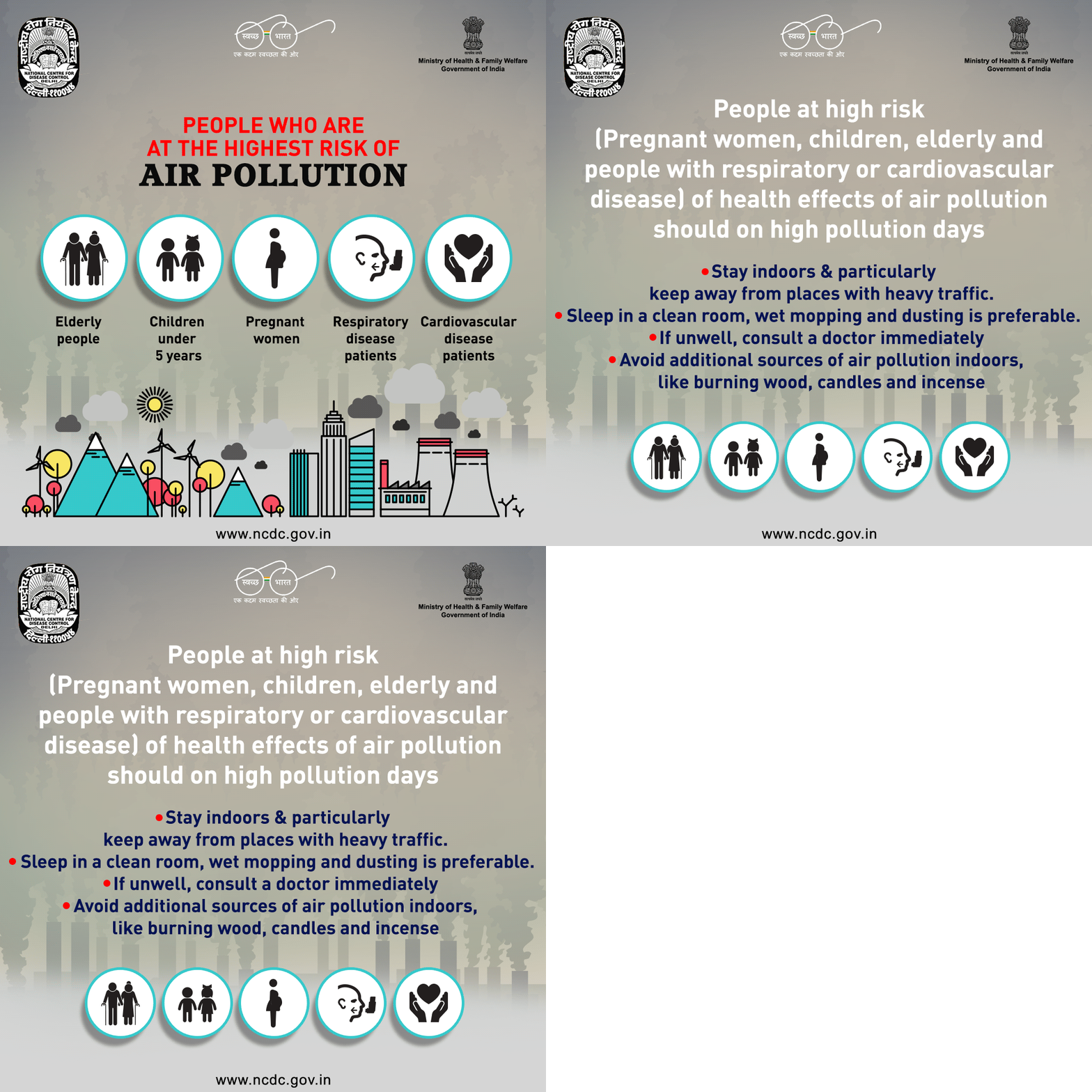
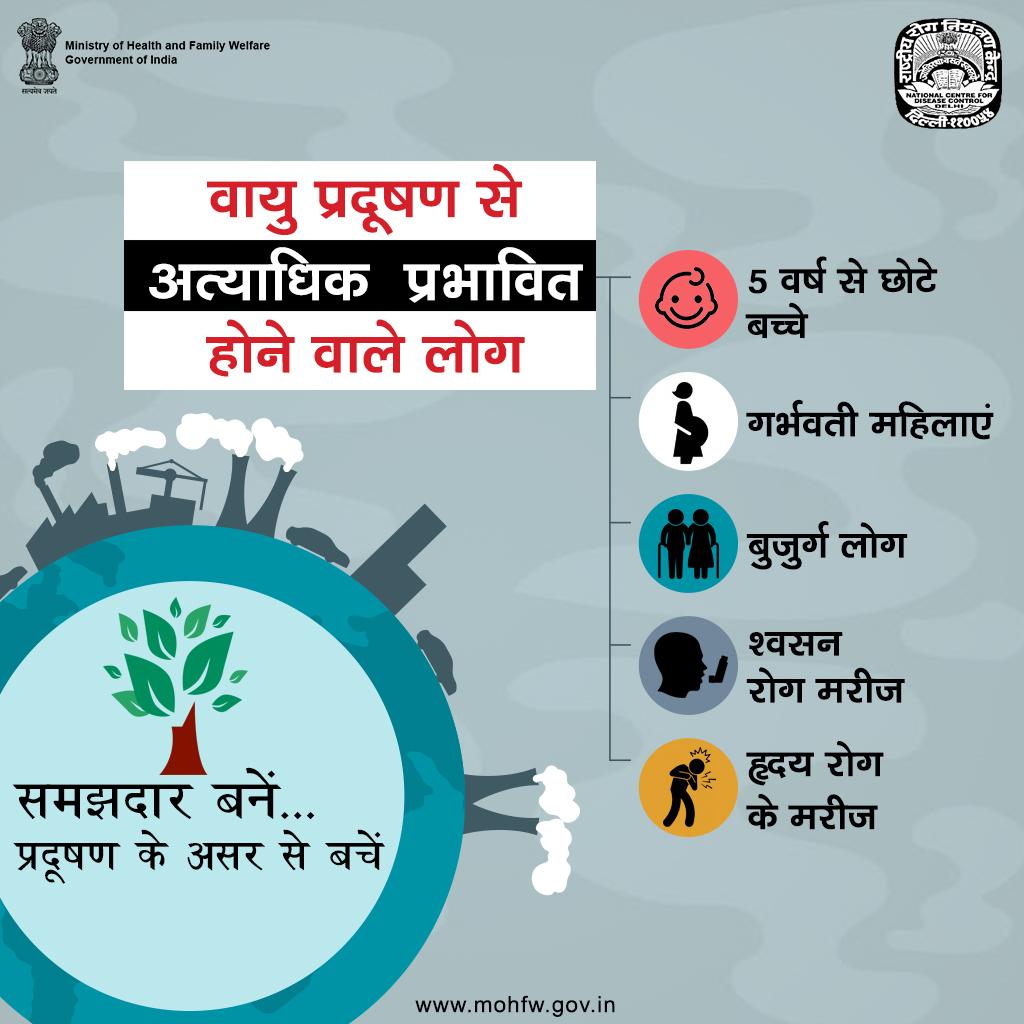
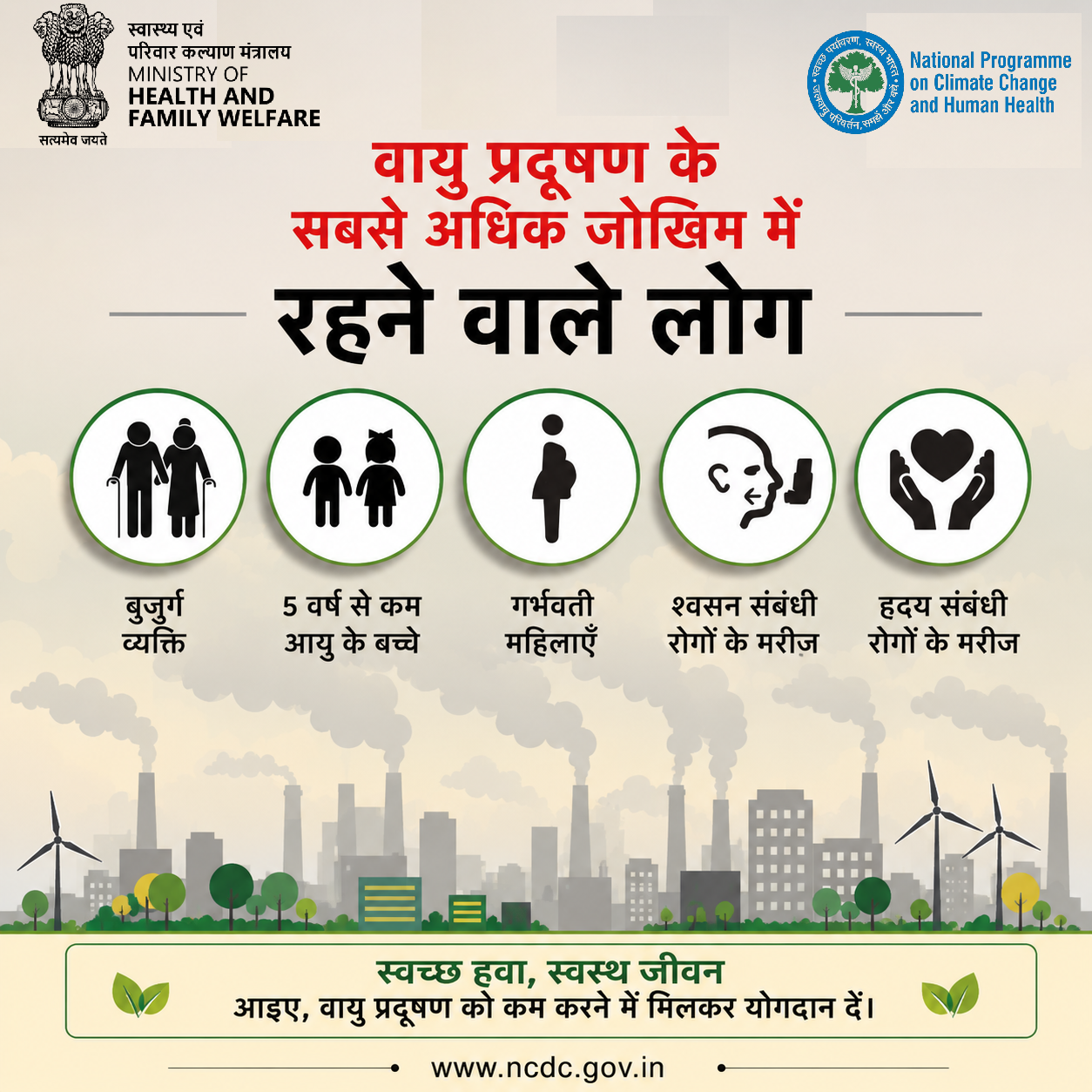
- Sanitization modules for vulnerable groups such as children, women, traffic, and municipal workers have been developed
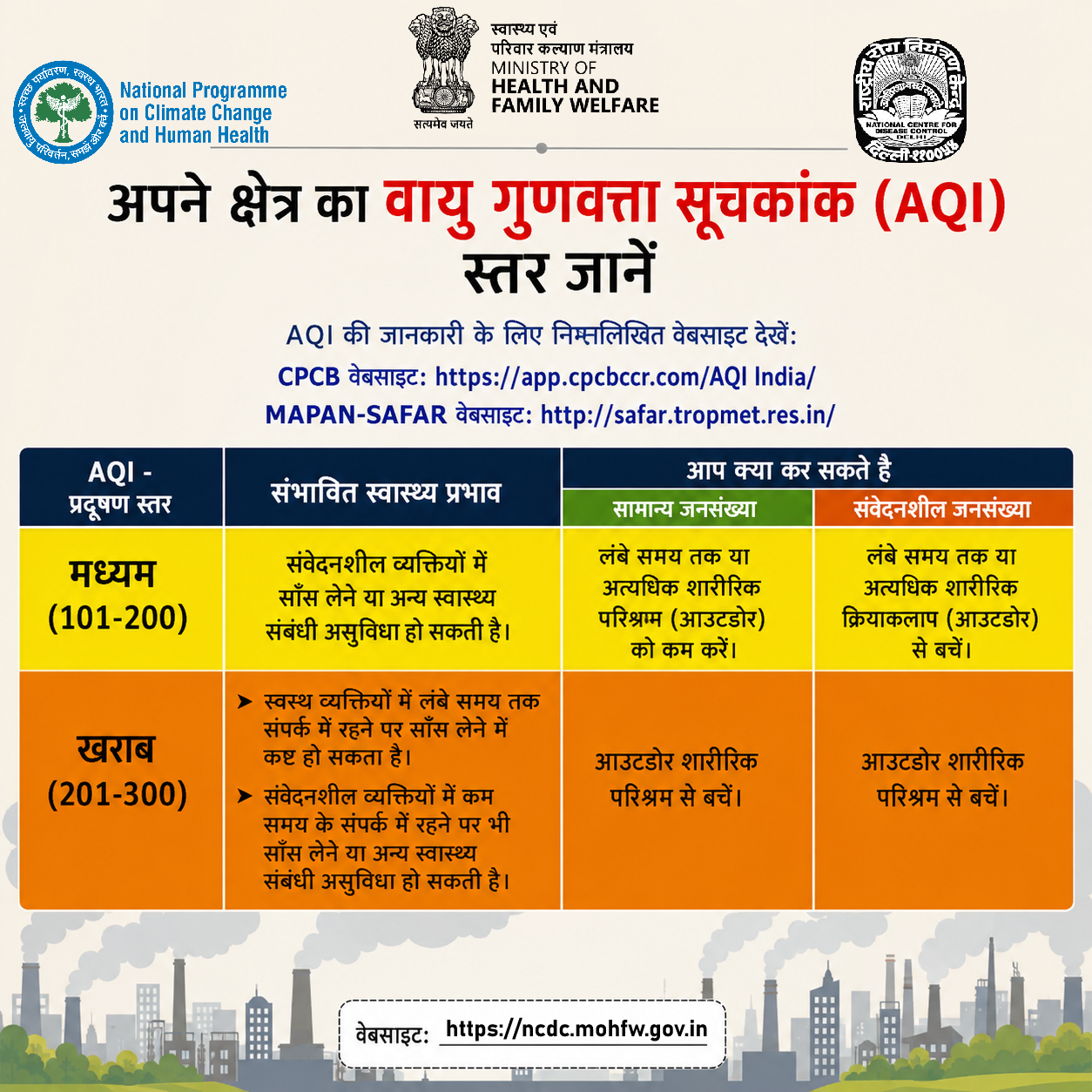
- Disseminated Early warning and air quality forecast to district officers.
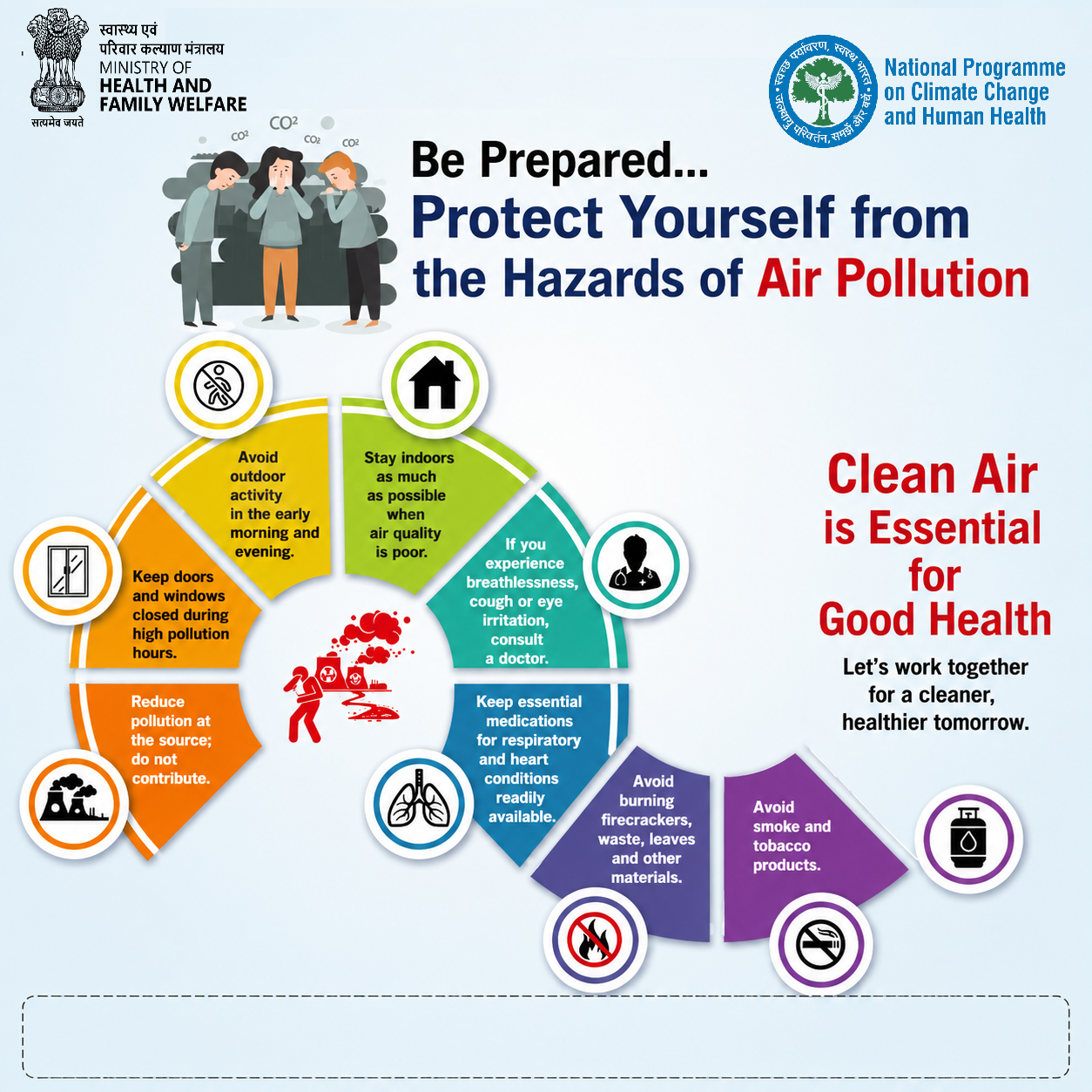
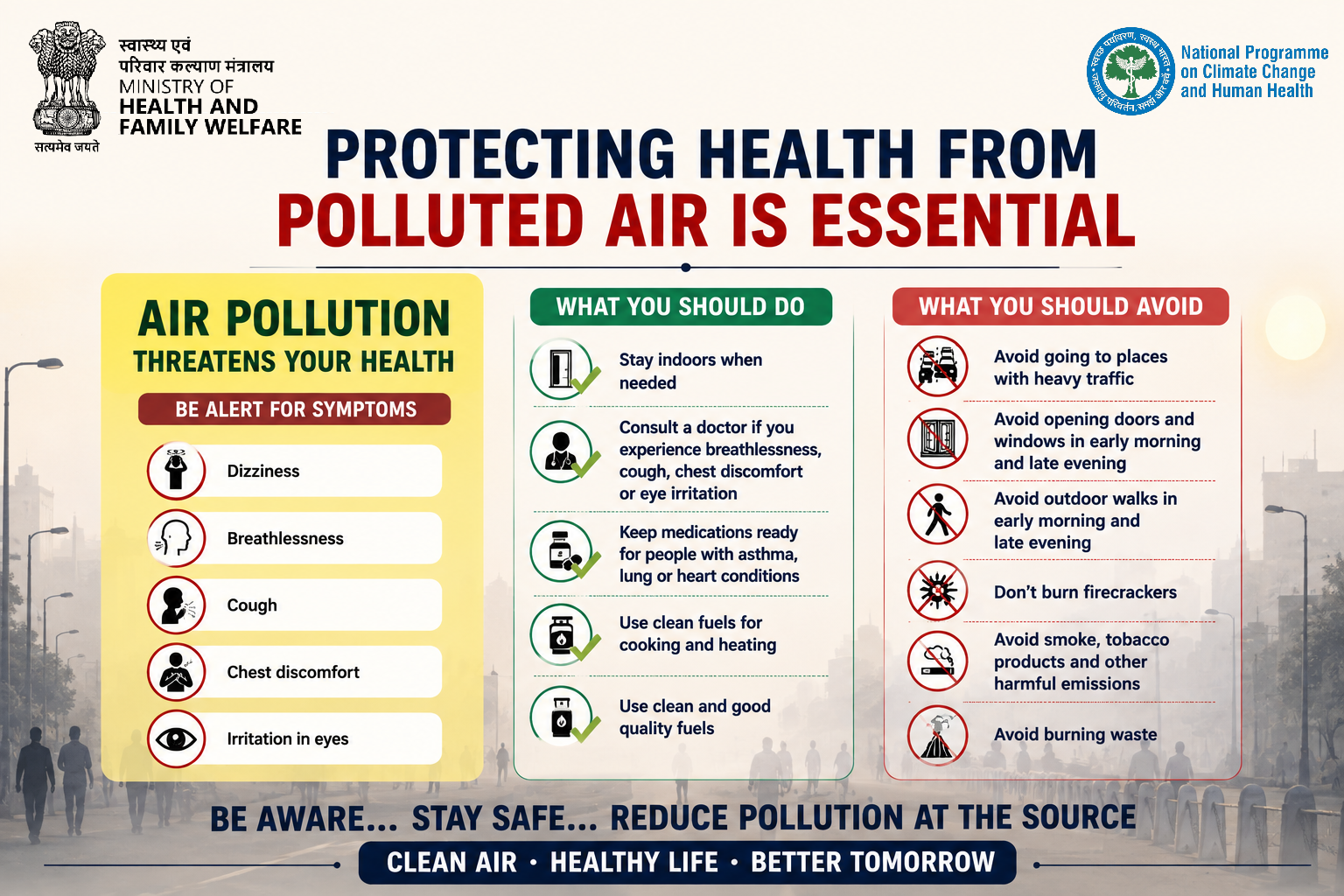
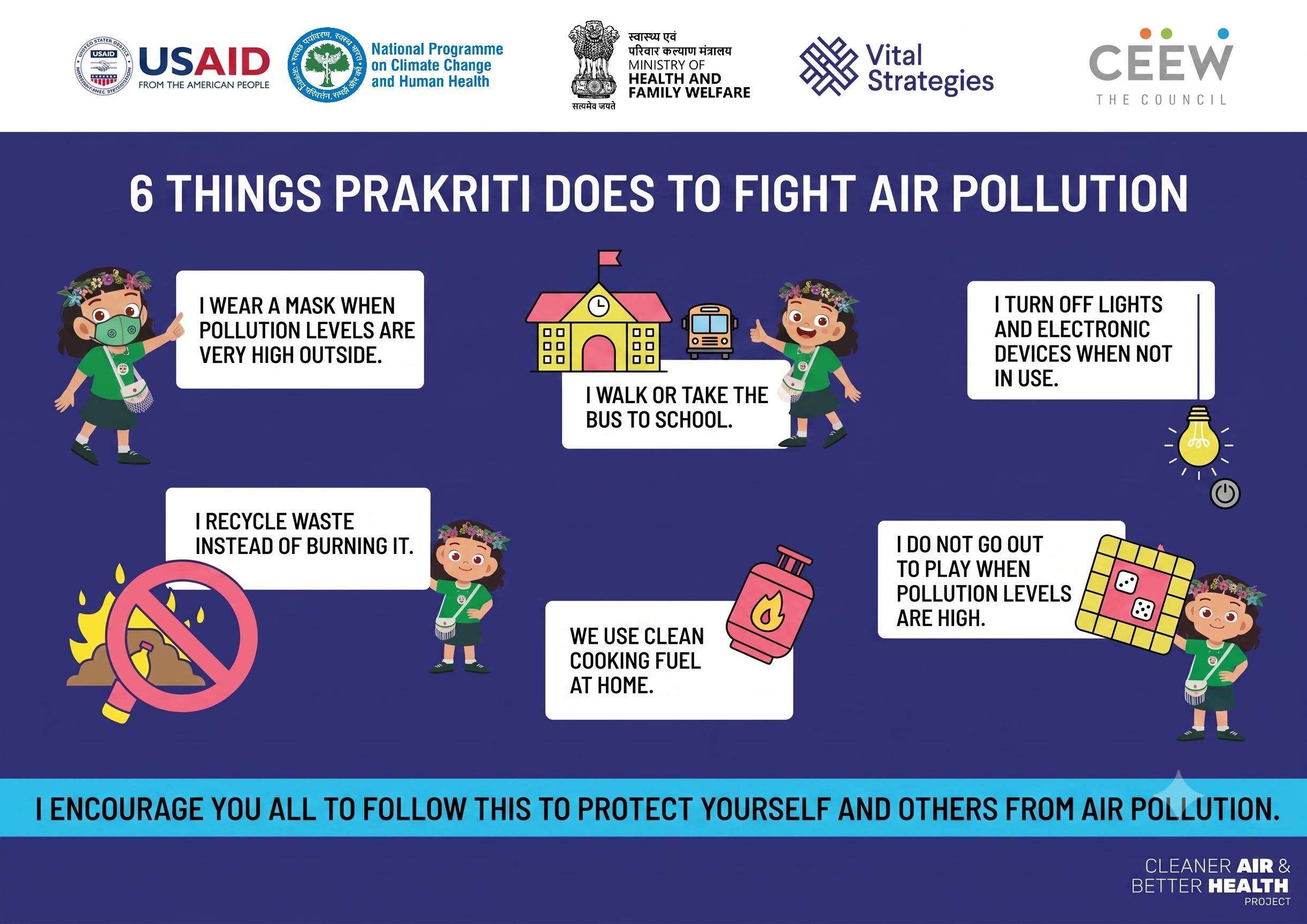
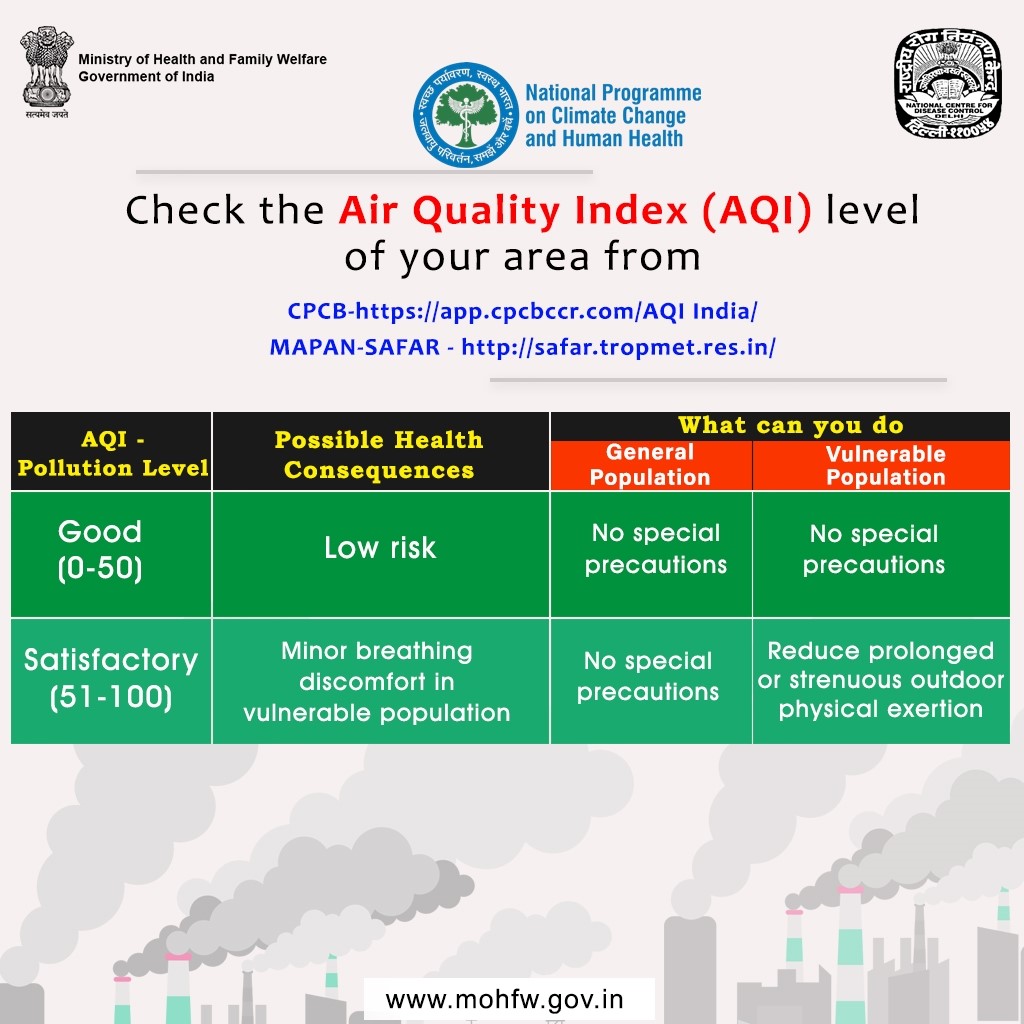
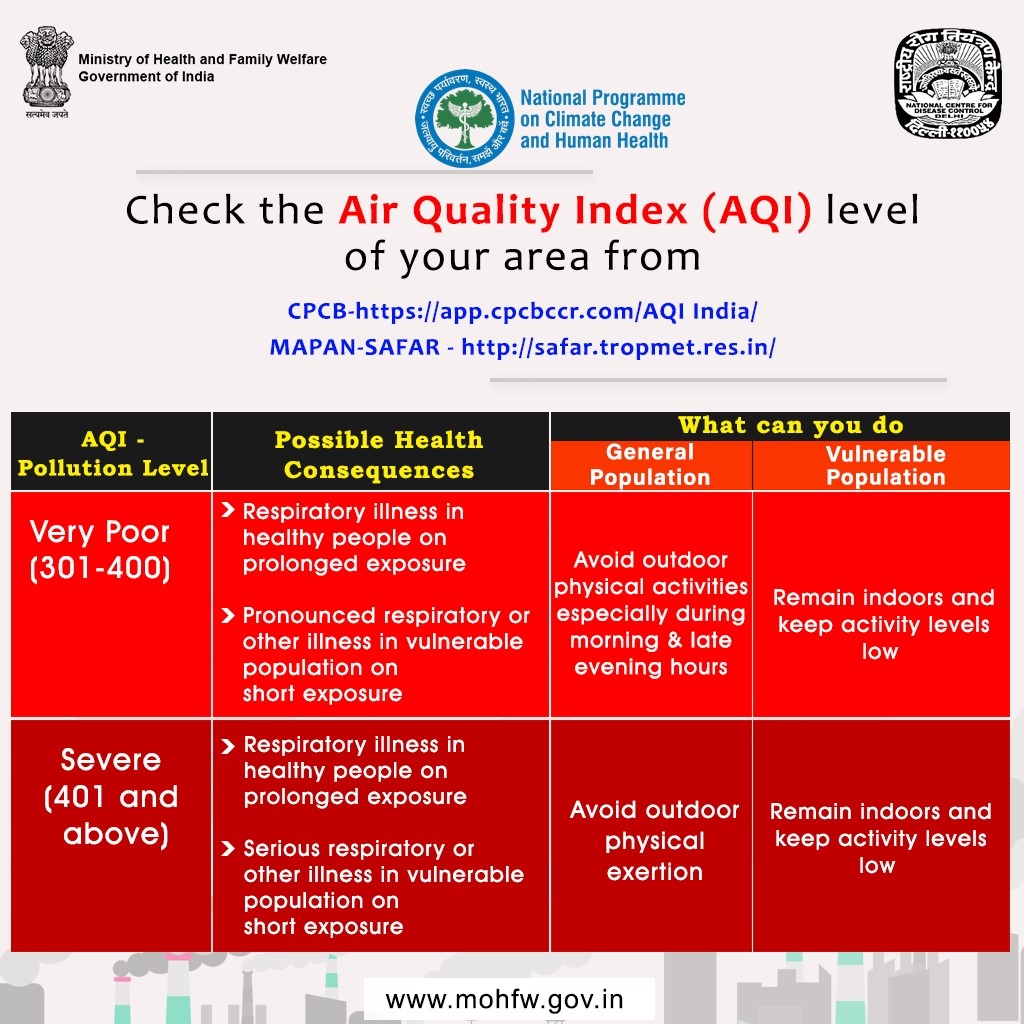
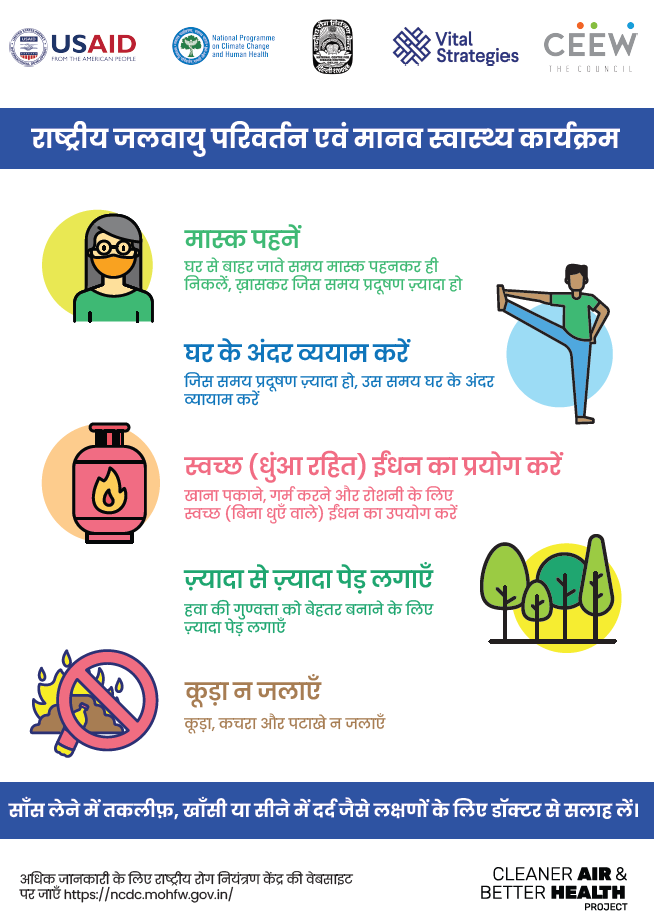
Awareness generation:
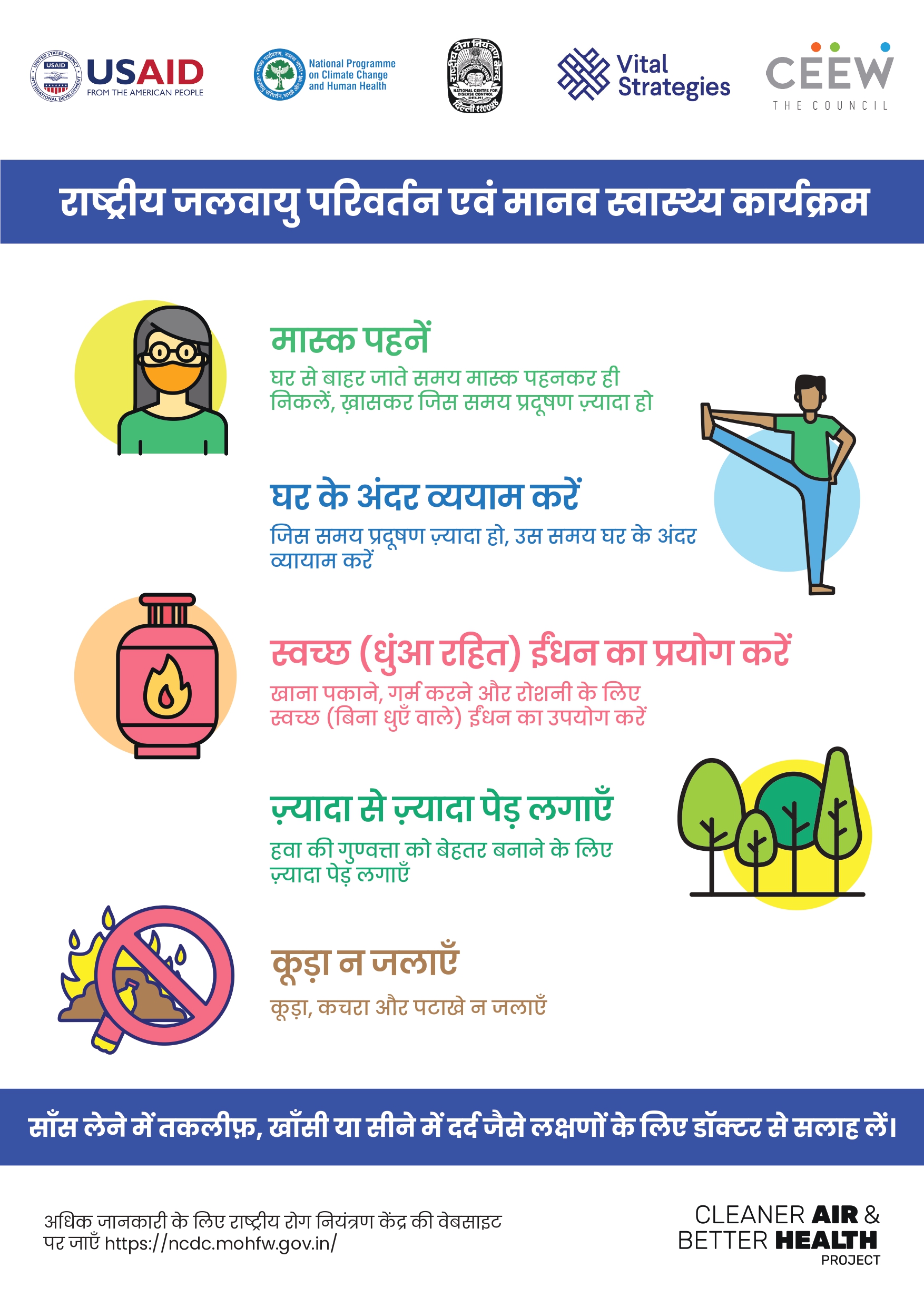
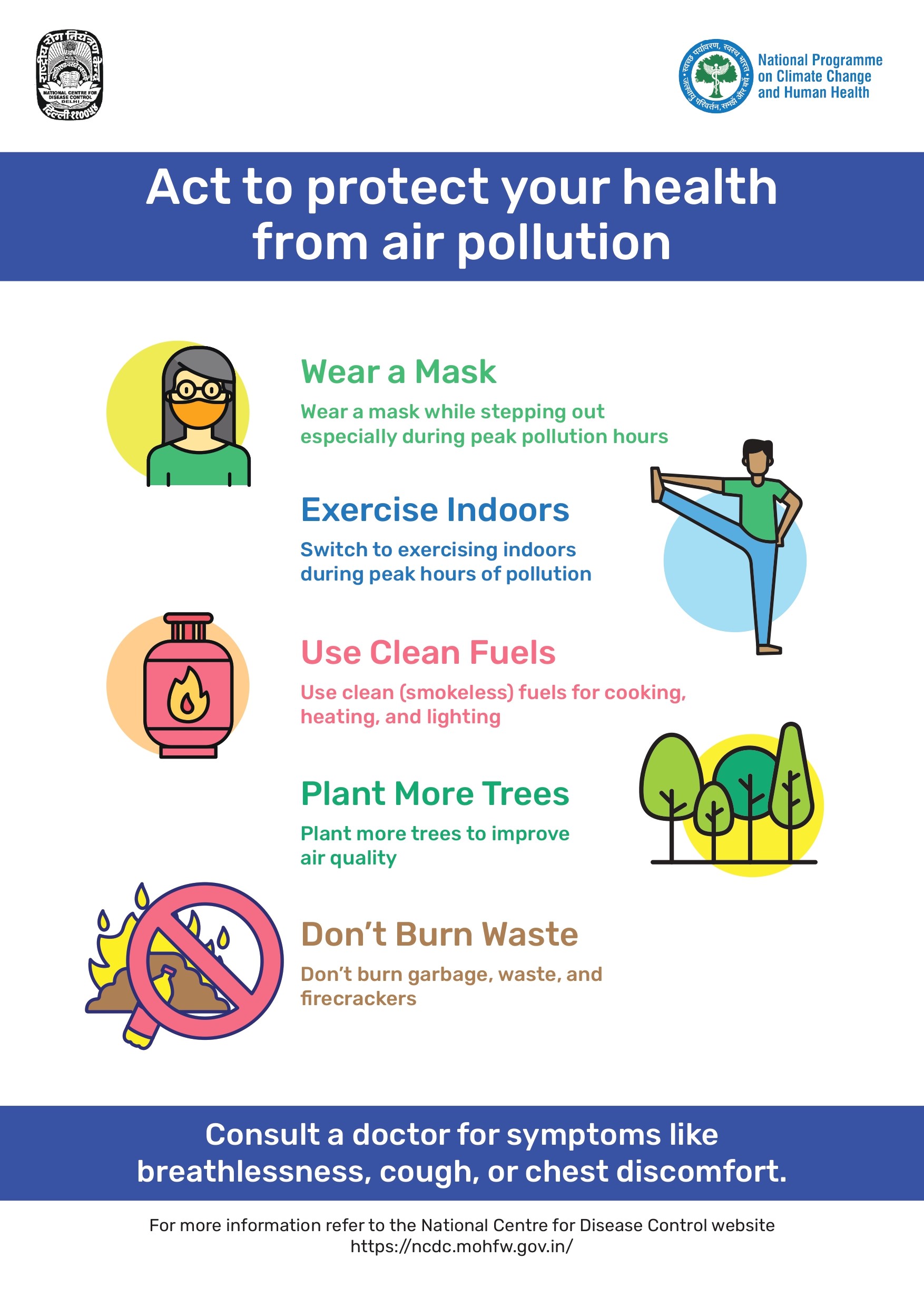
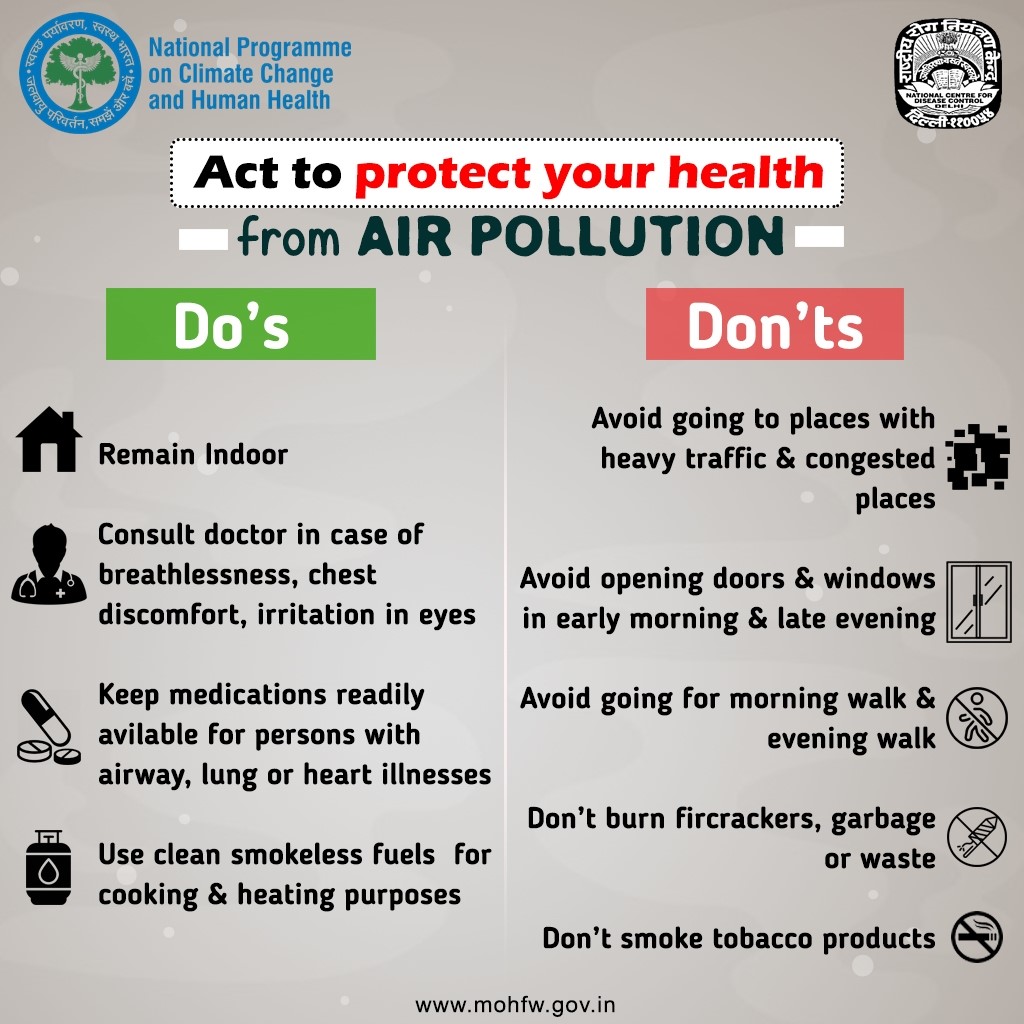
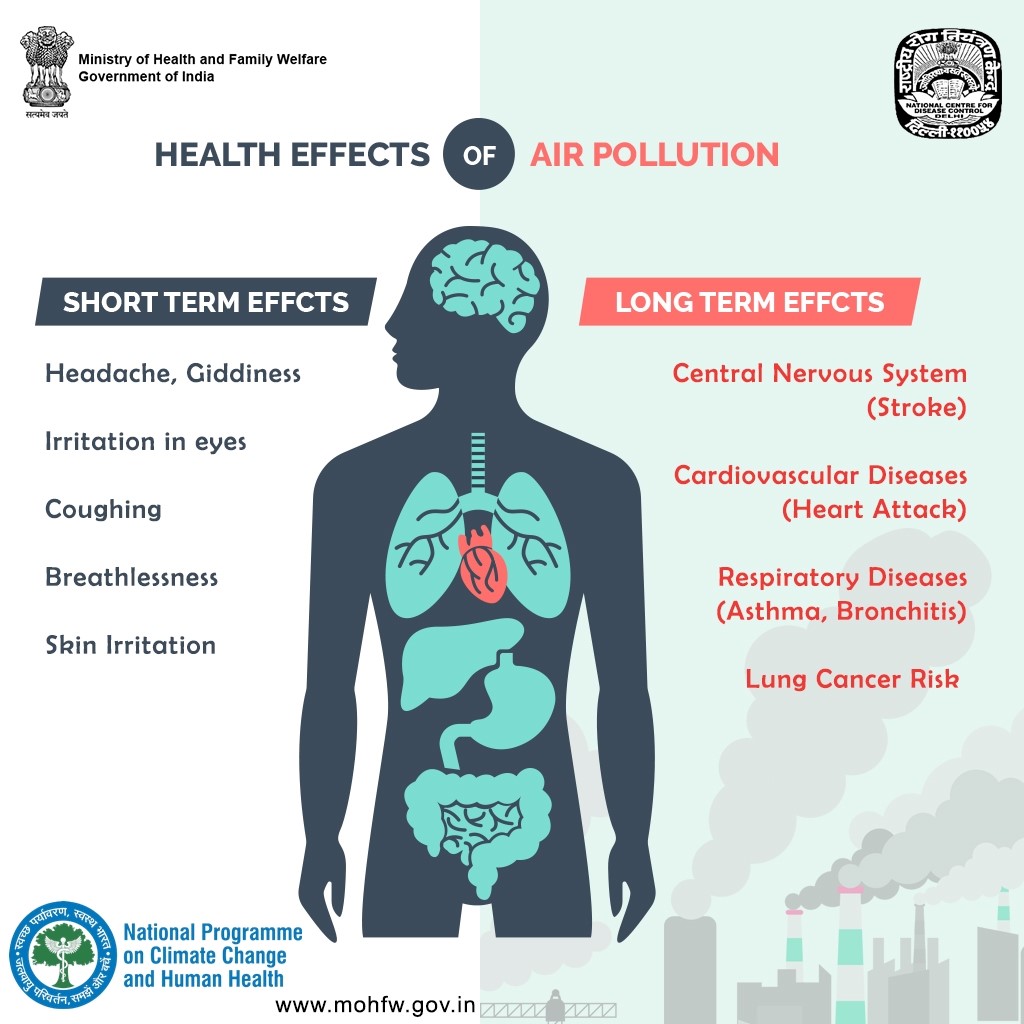
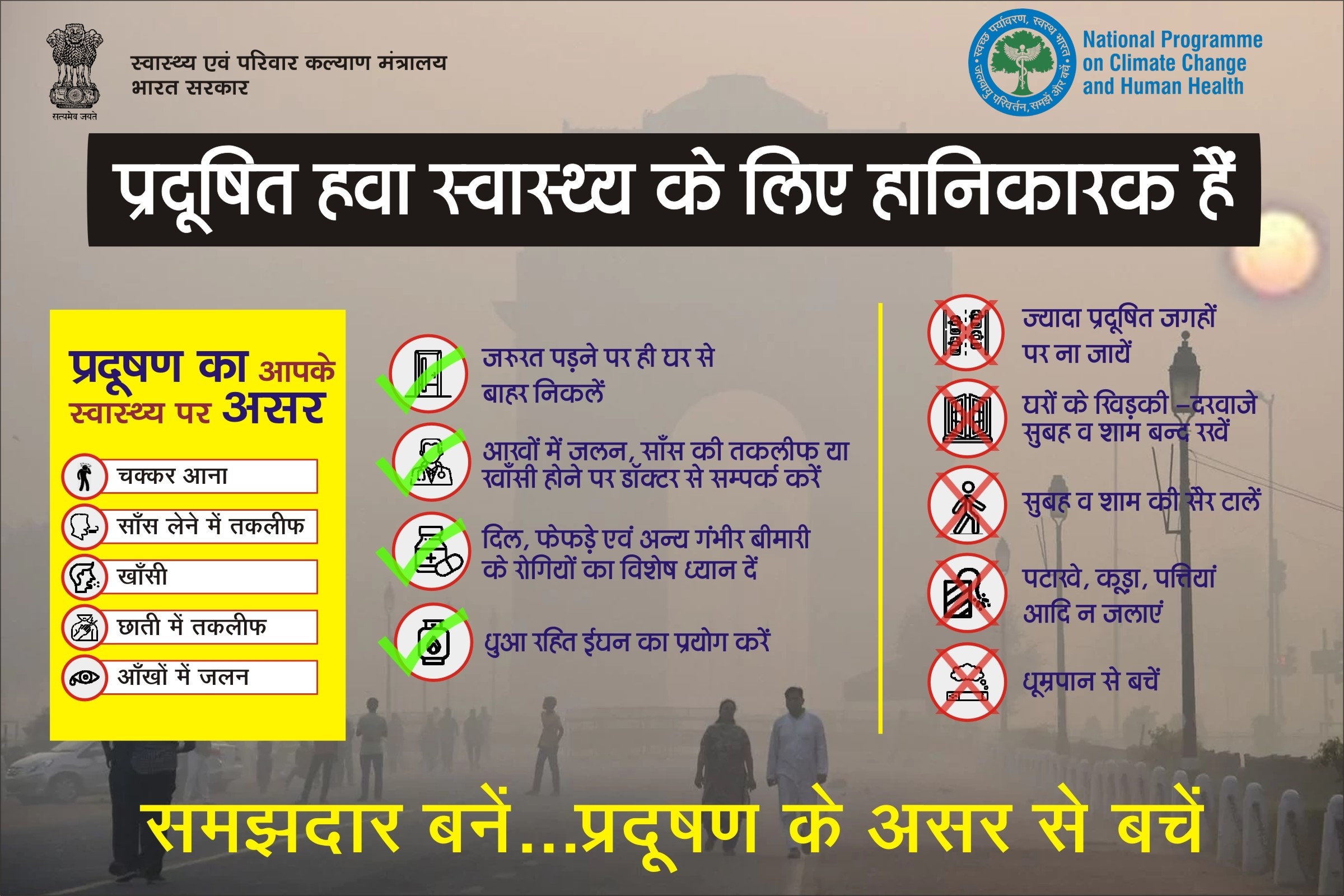
- Seasonal advisory issued in every year in August-September before onset of winter
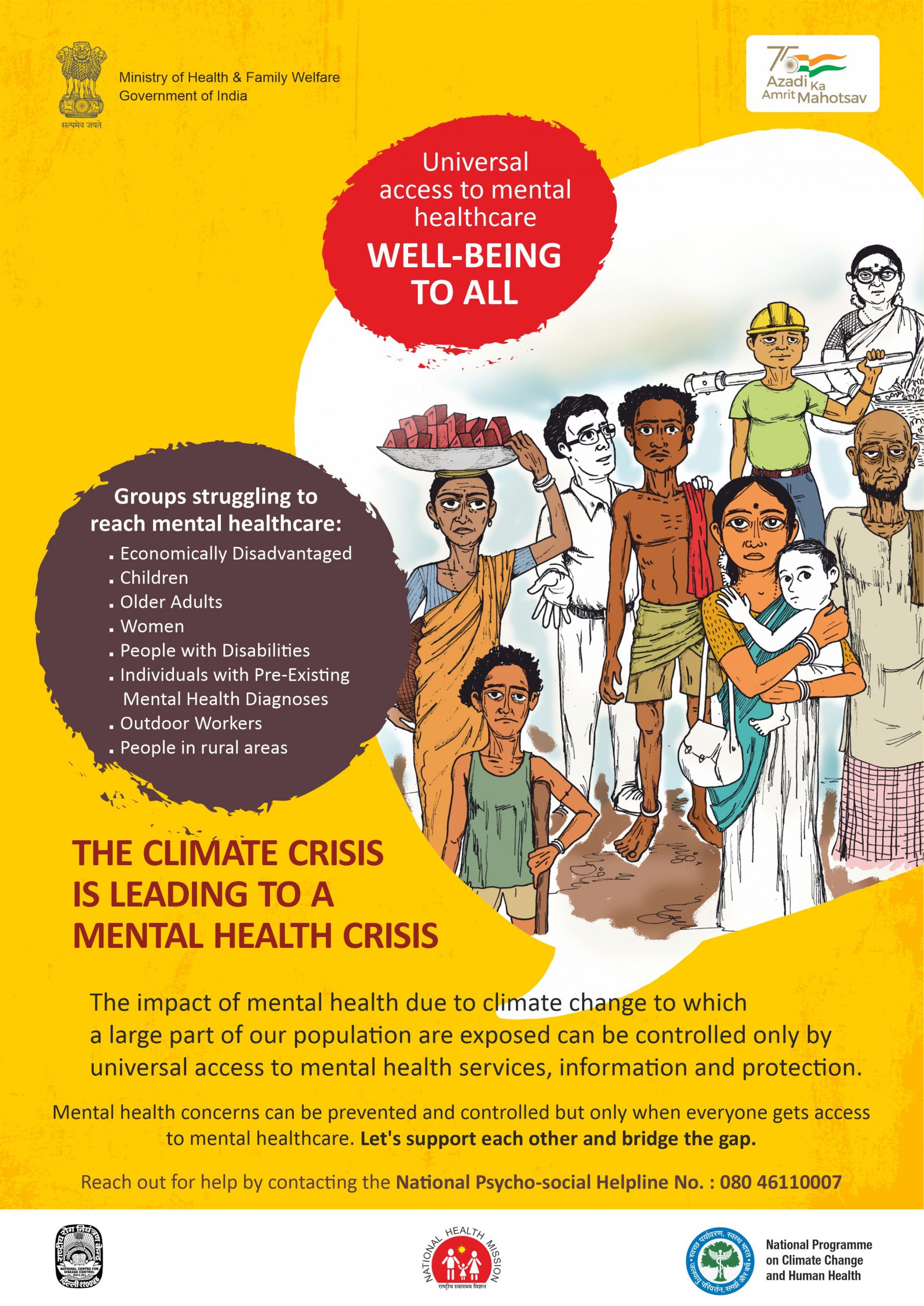
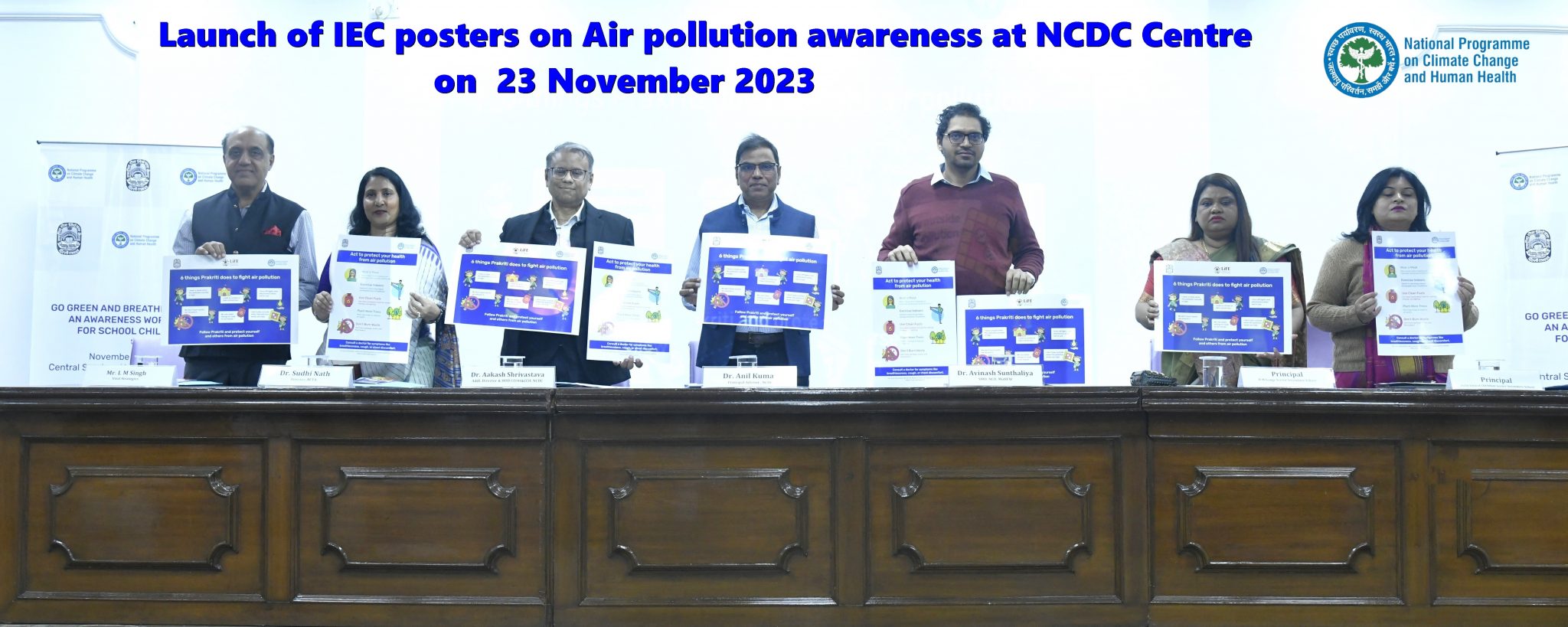
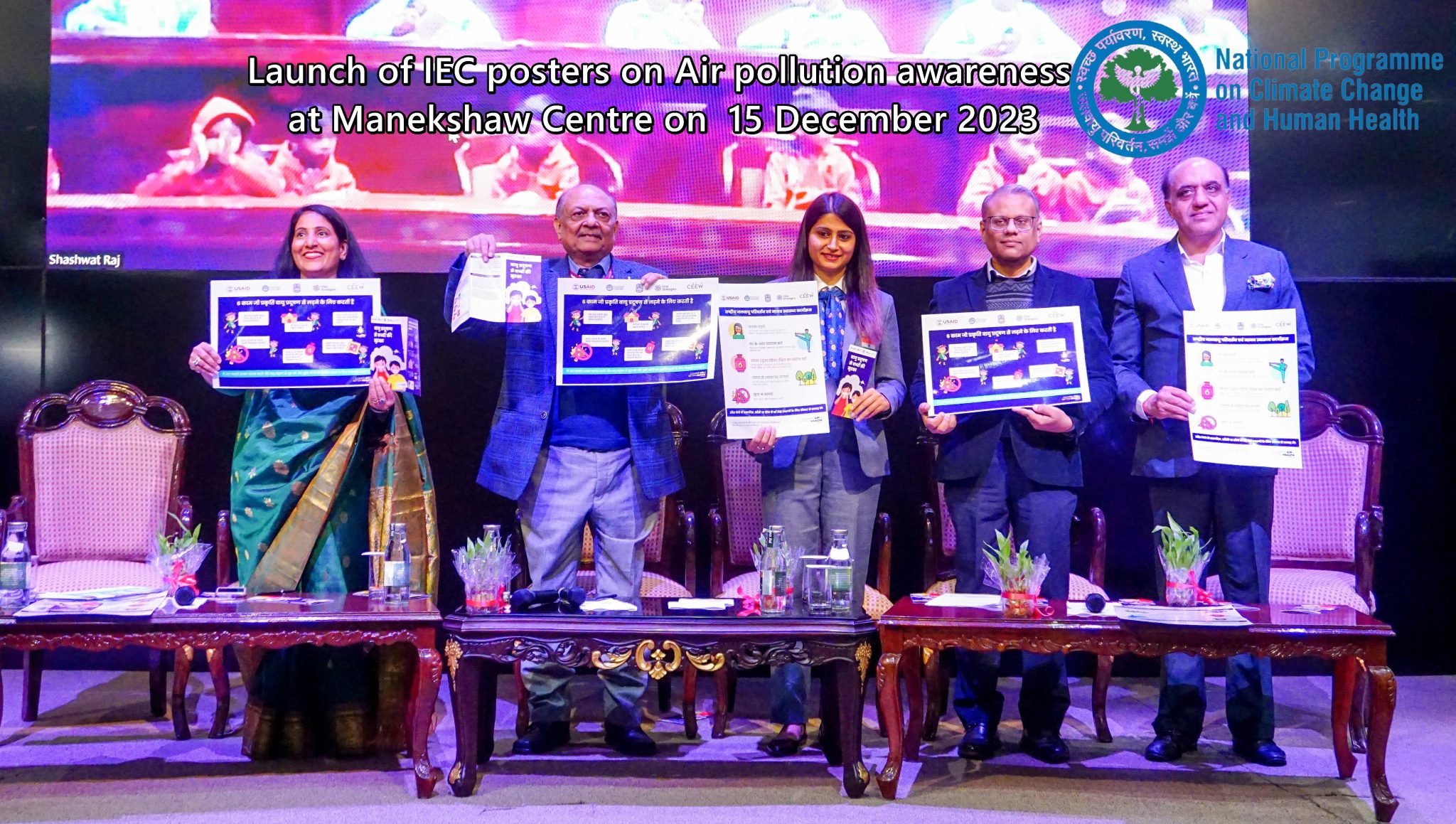
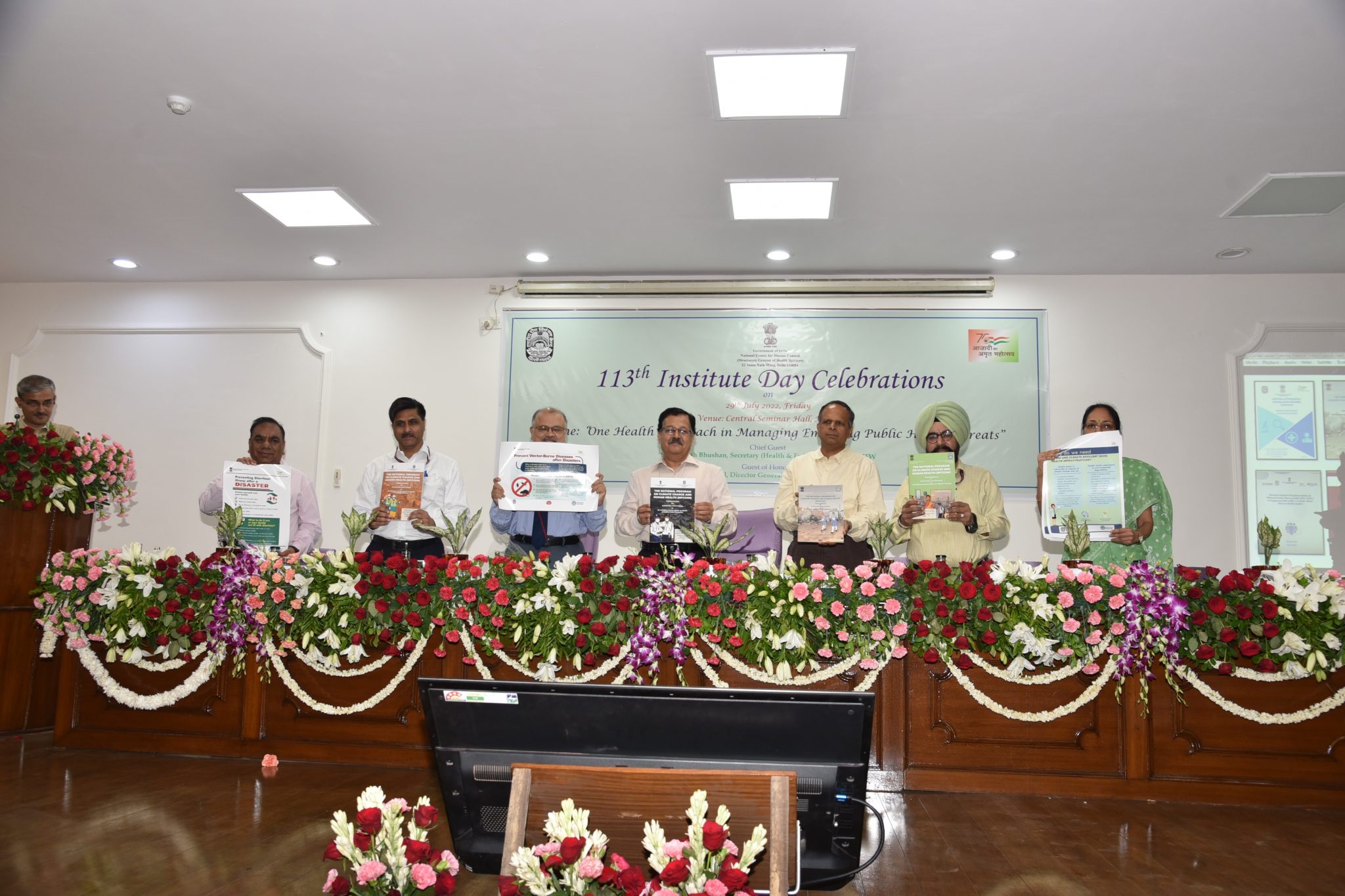
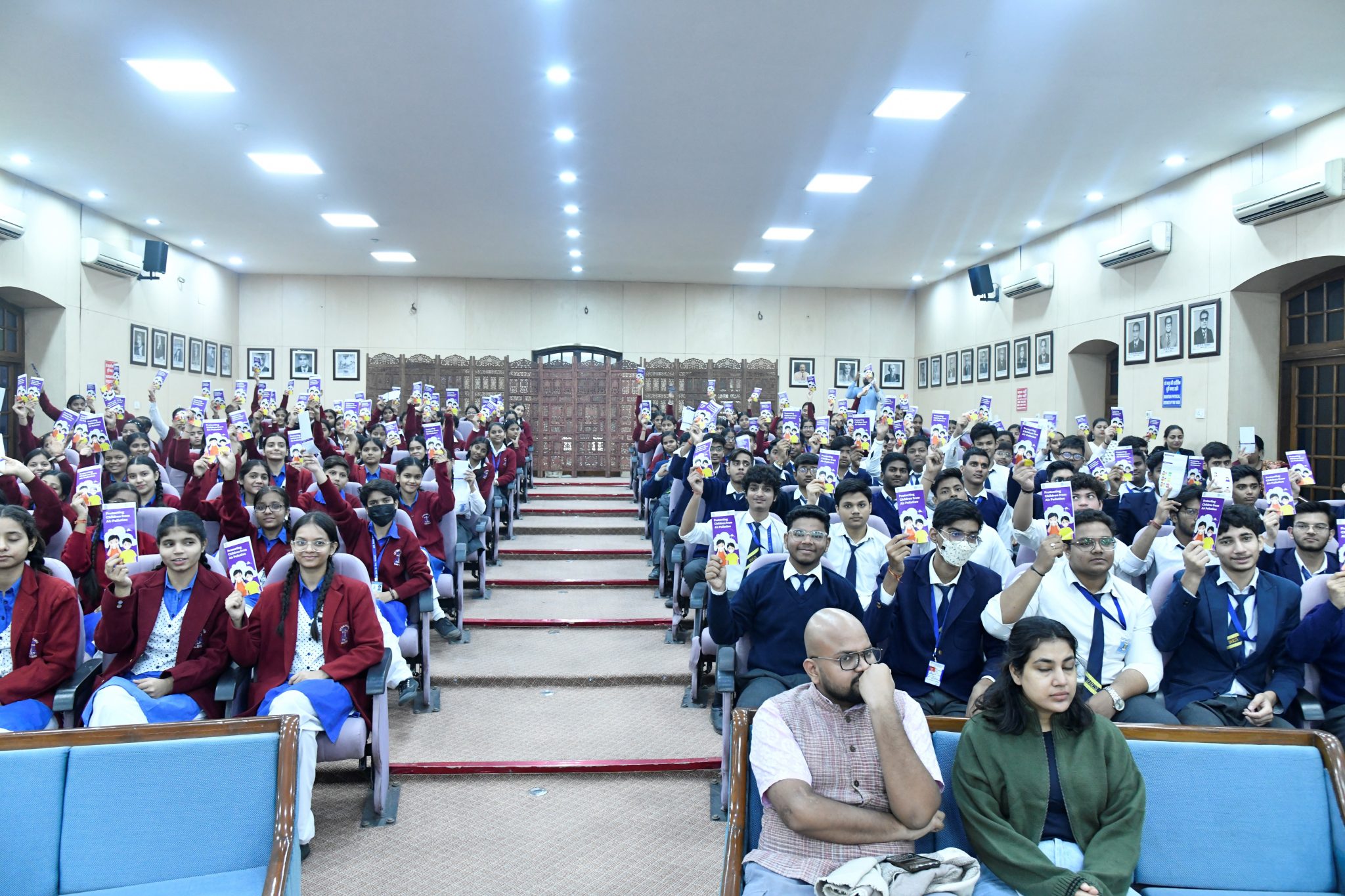
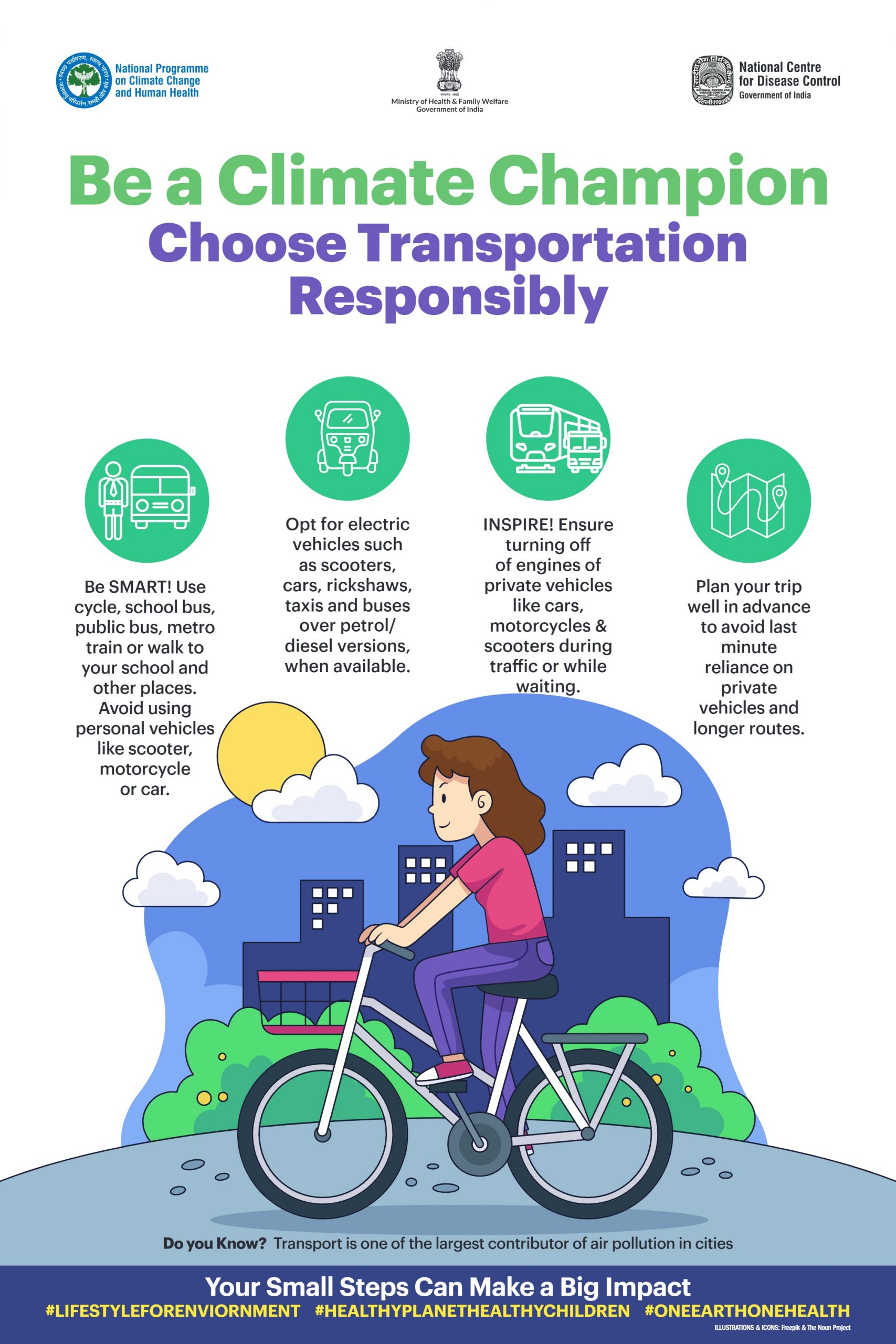
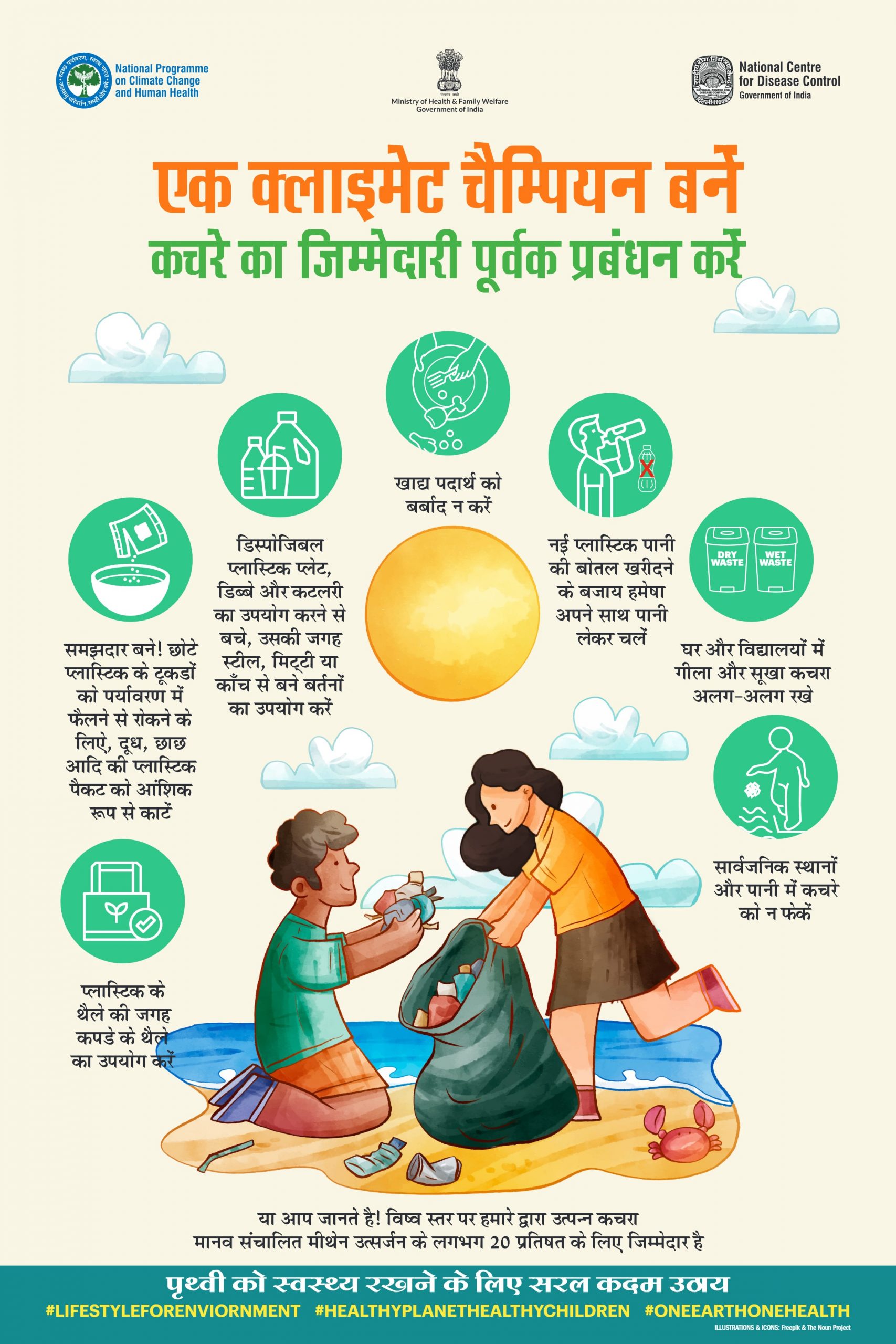
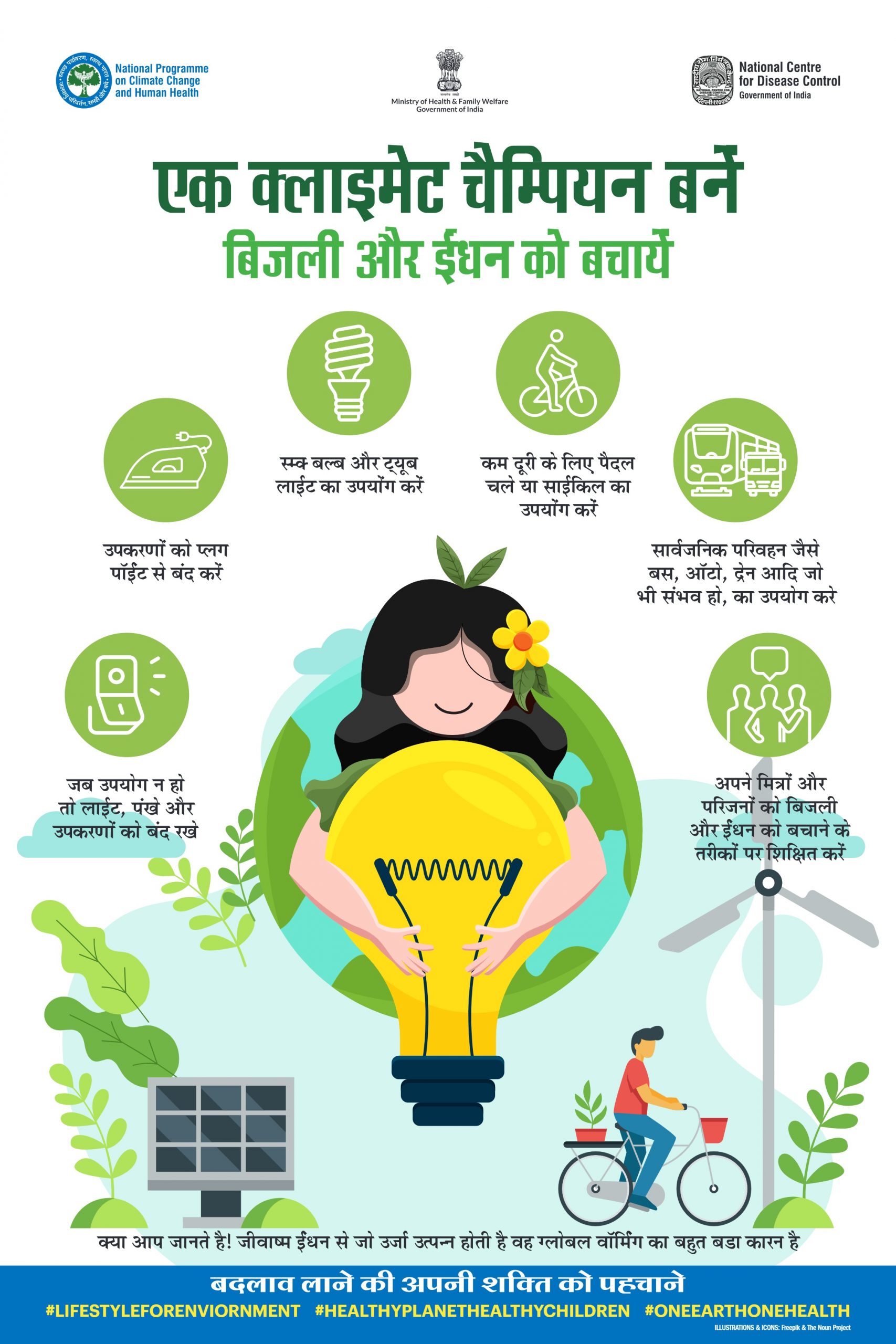
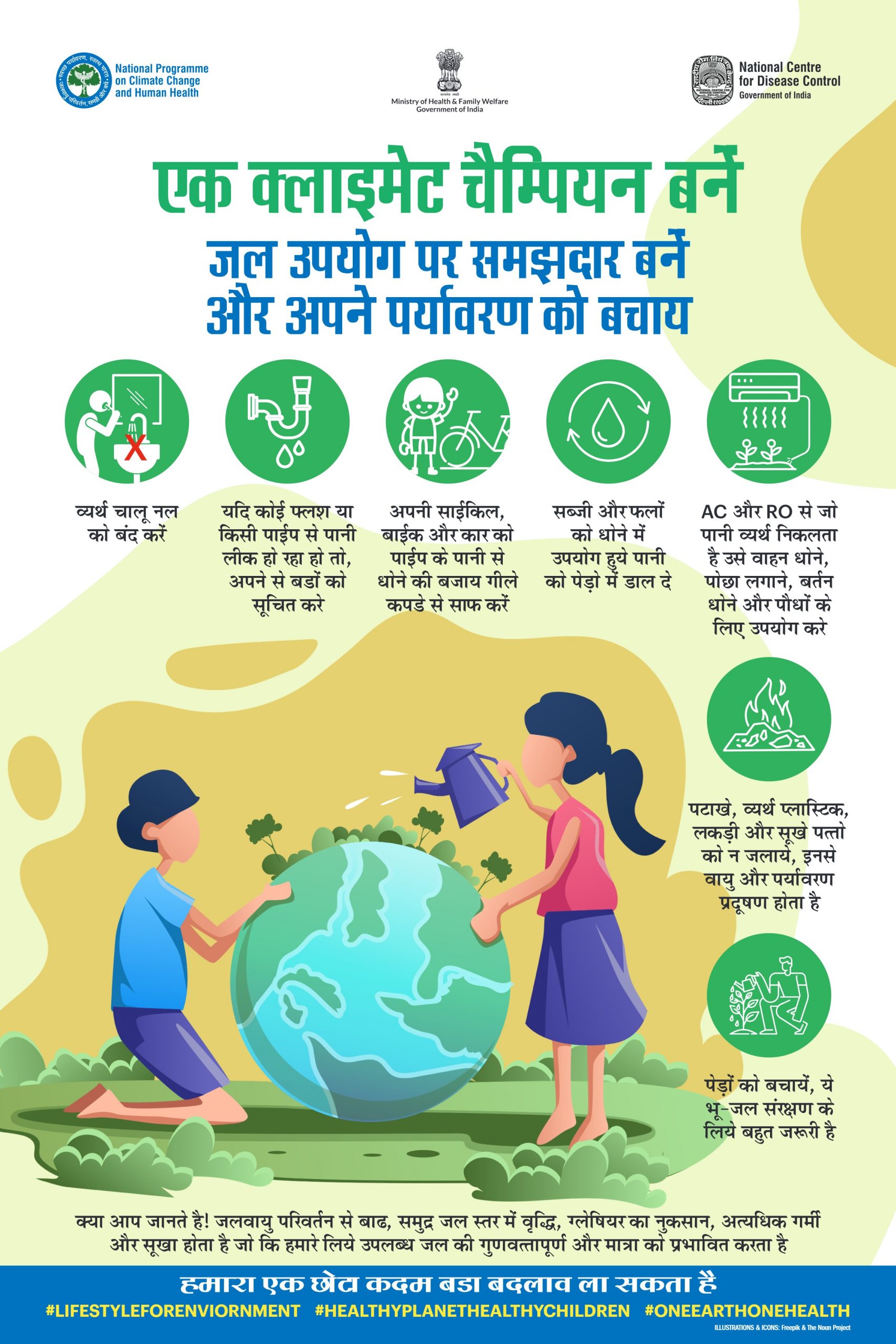
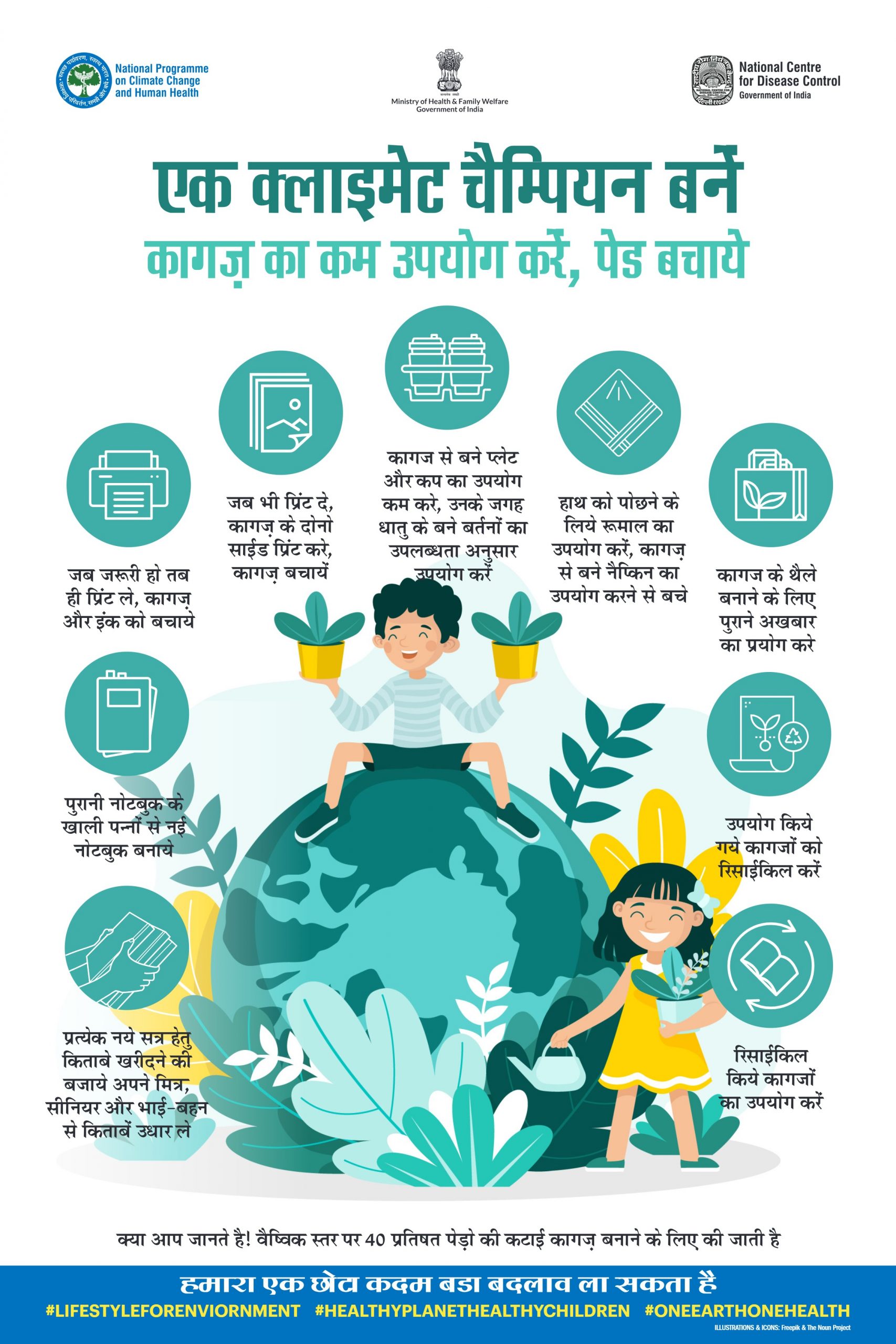
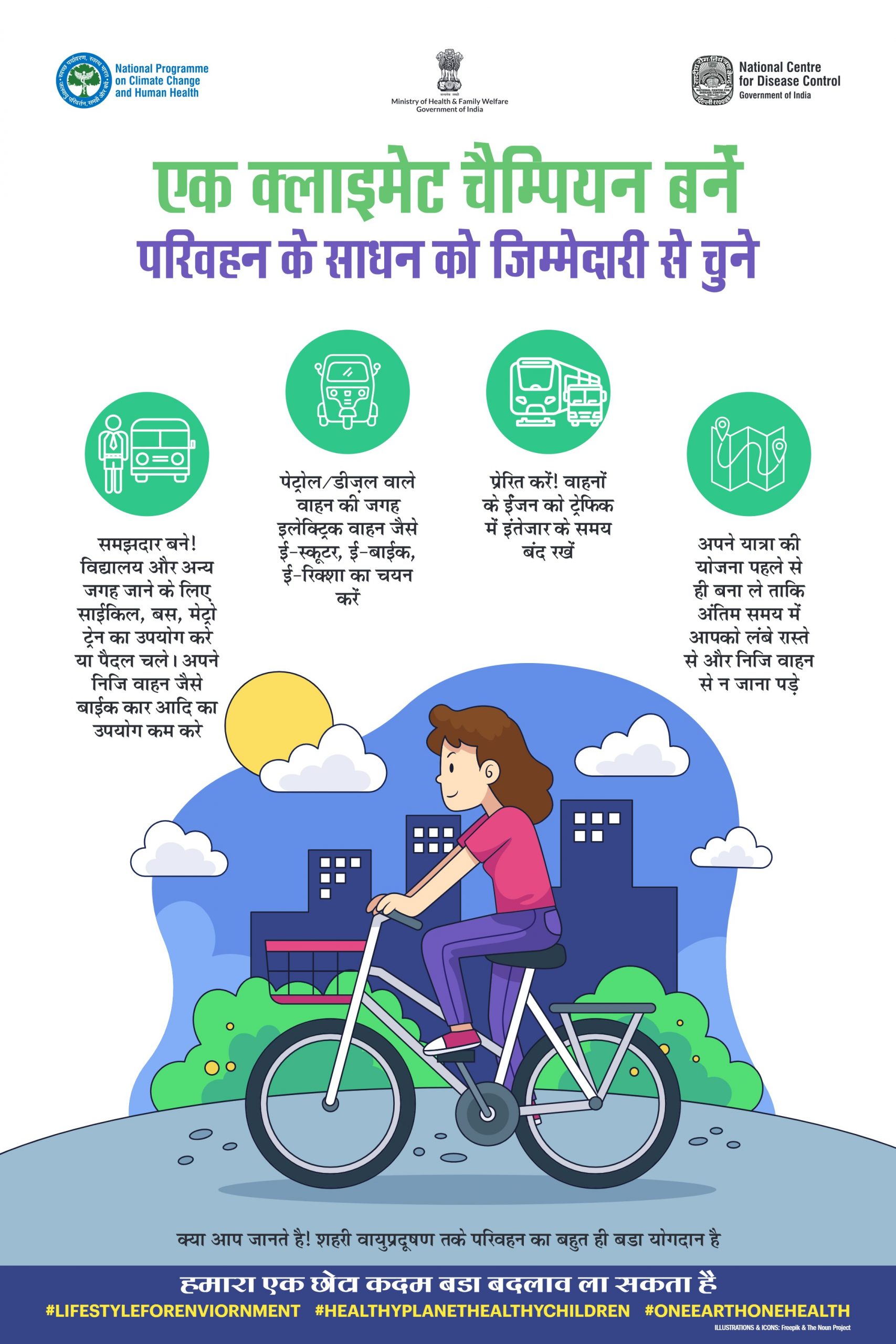
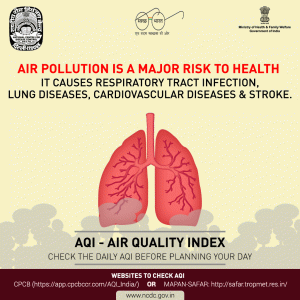
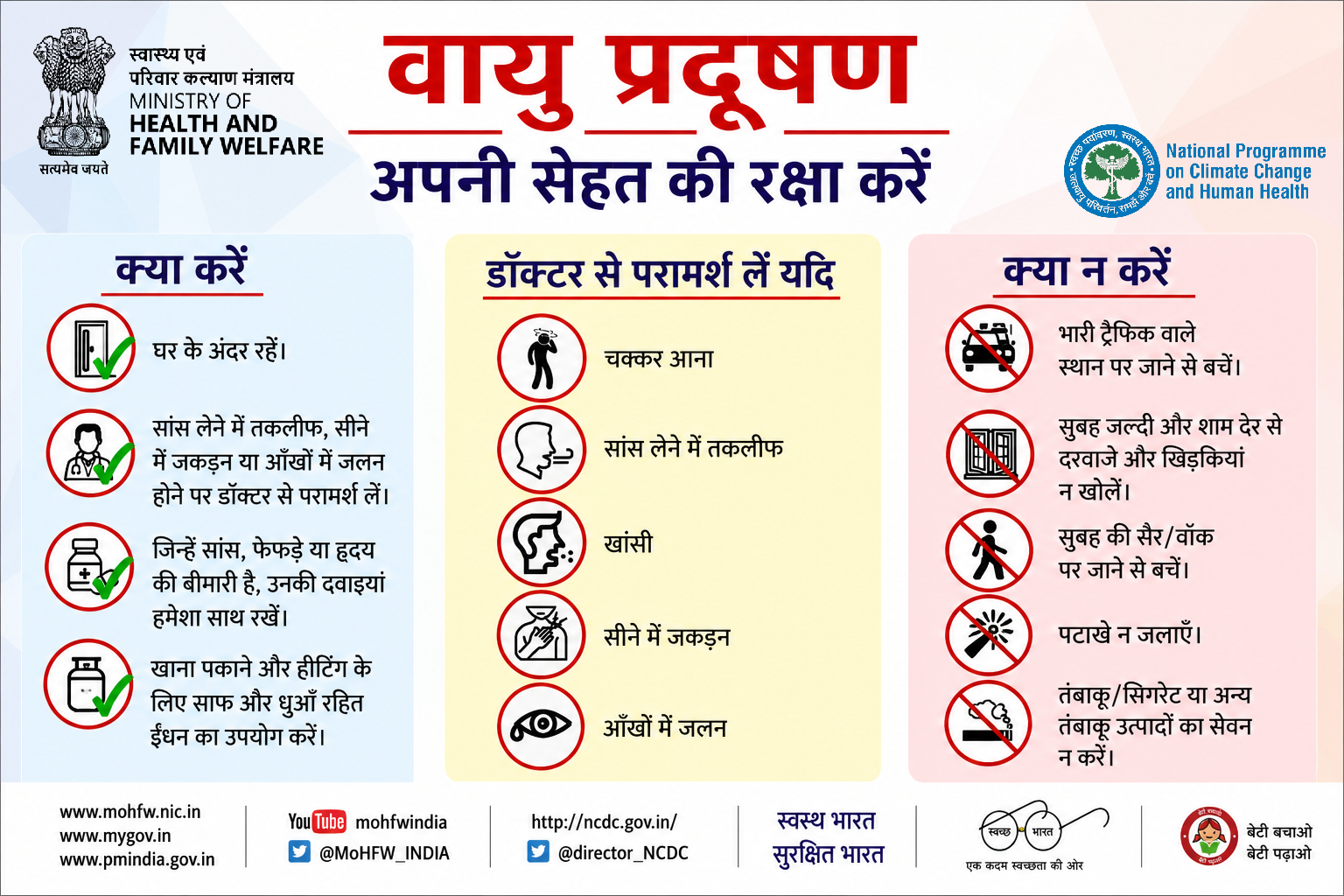
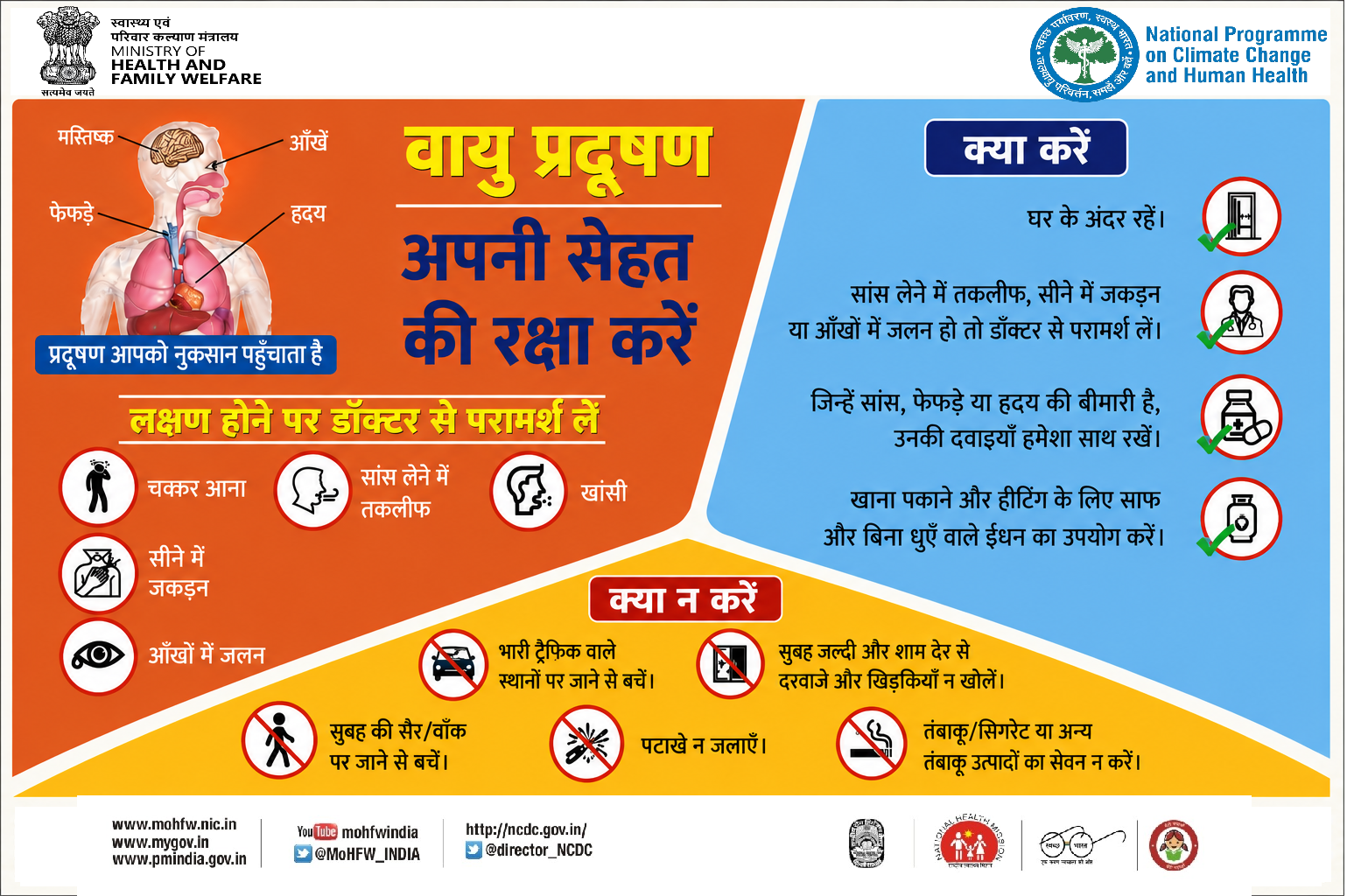
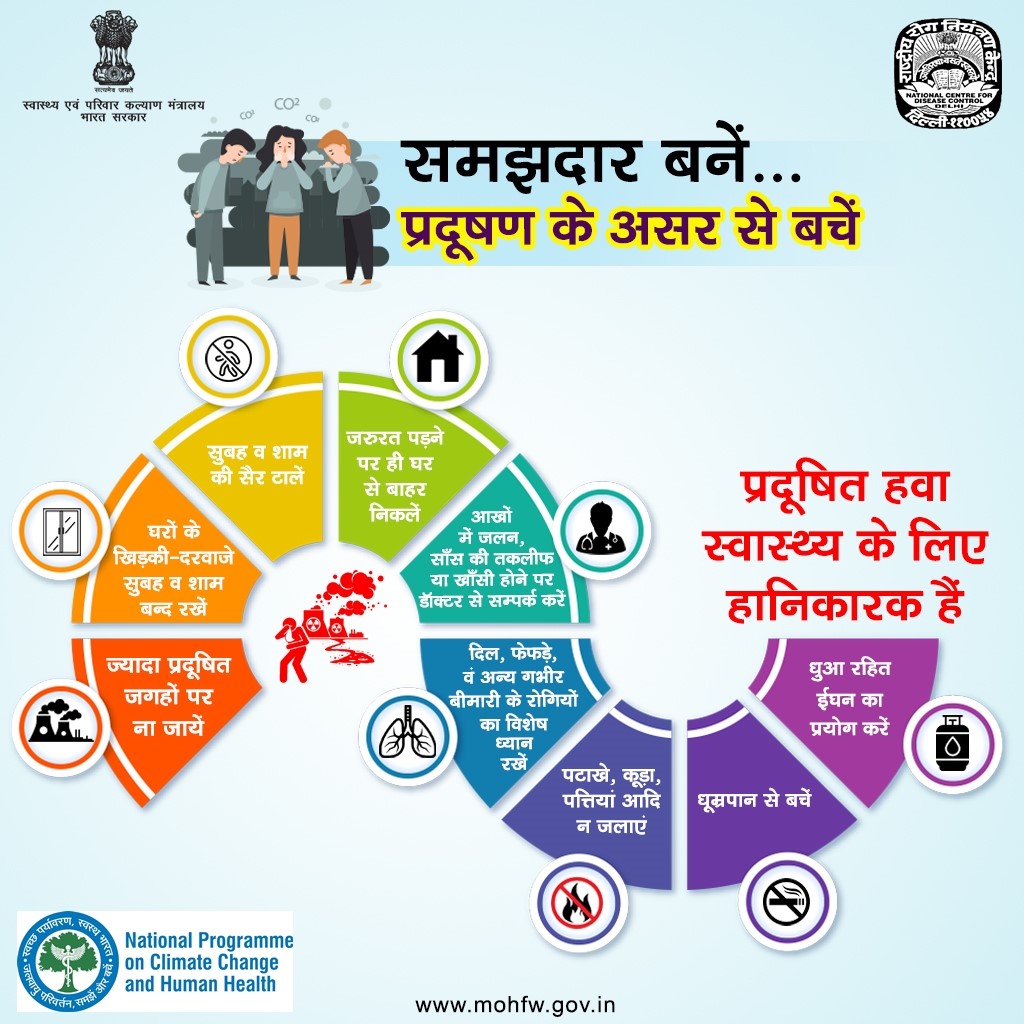
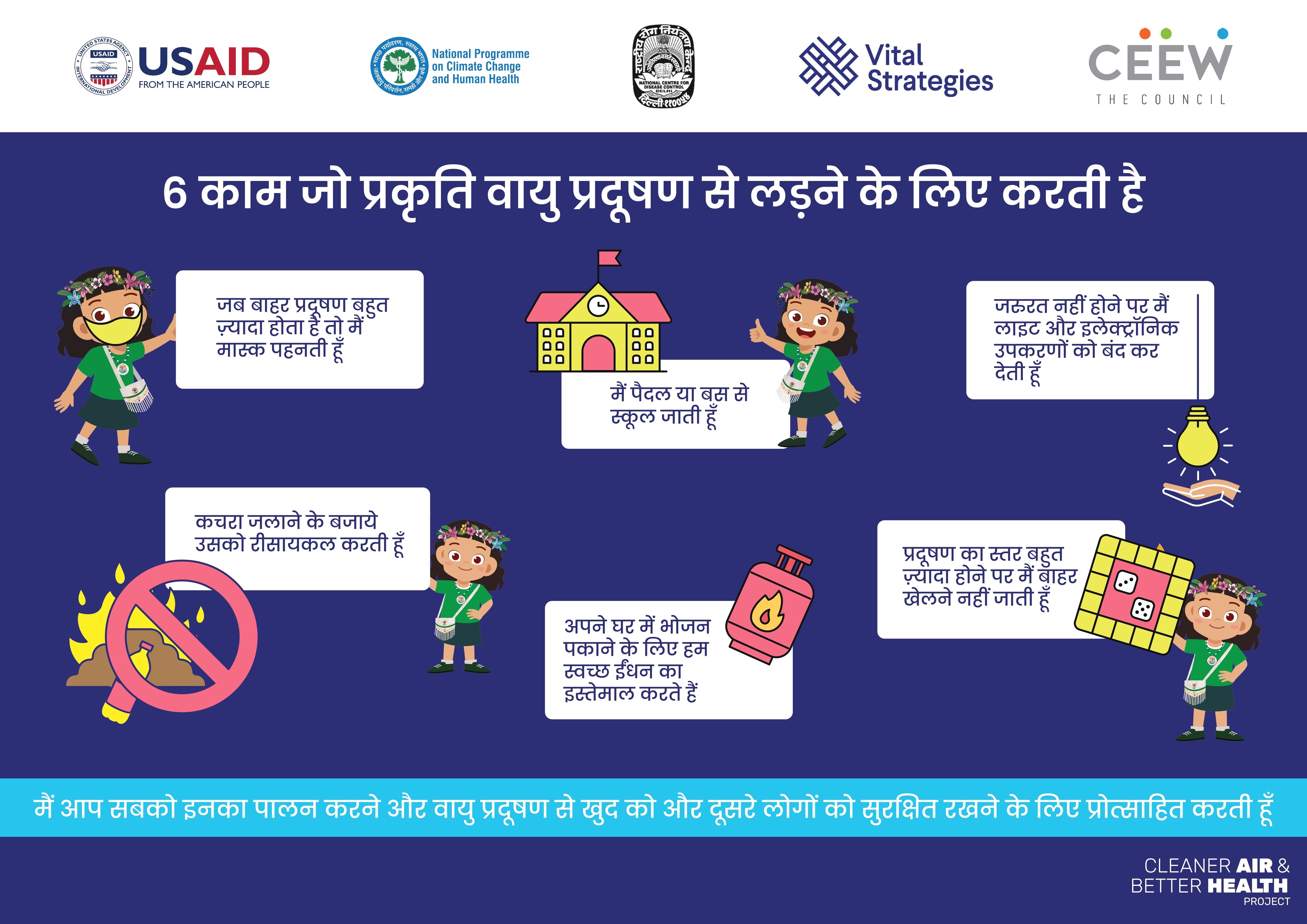
- IEC materials are developed and disseminated ( Print, audio-visual, and social media content)
- Manuals developed for vulnerable groups such as children, women, traffic, and municipal workers
- Community Health Officers and Frontline health workers engage with Urban Local Bodies, Panchayati Raj Institutes, and others to spread awareness.
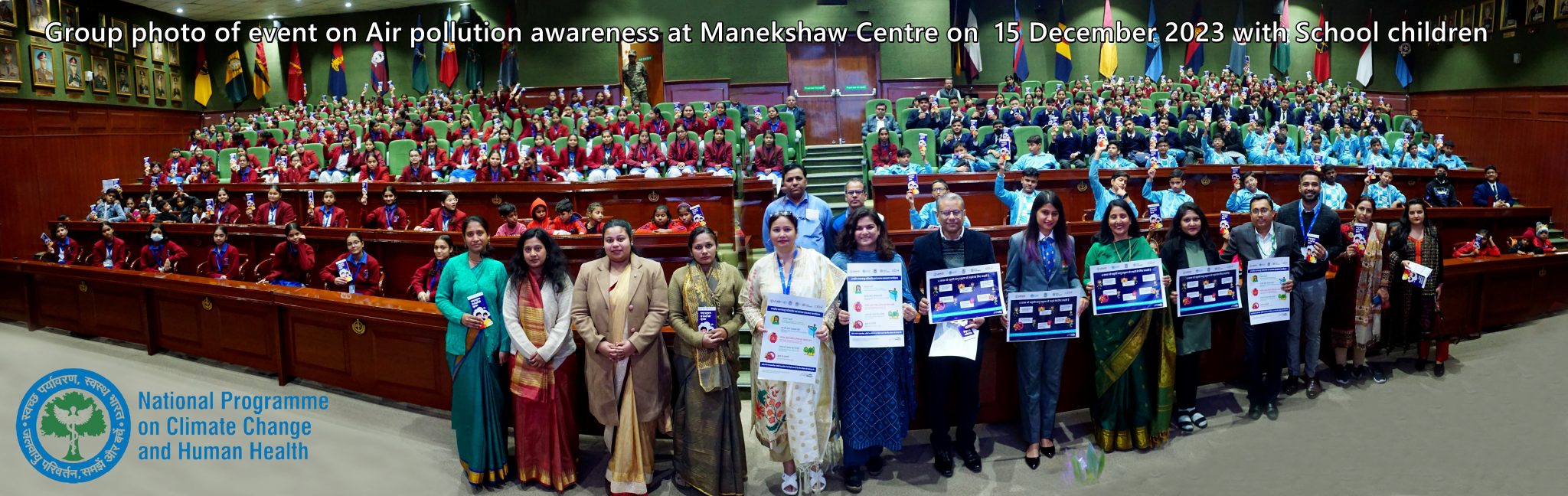
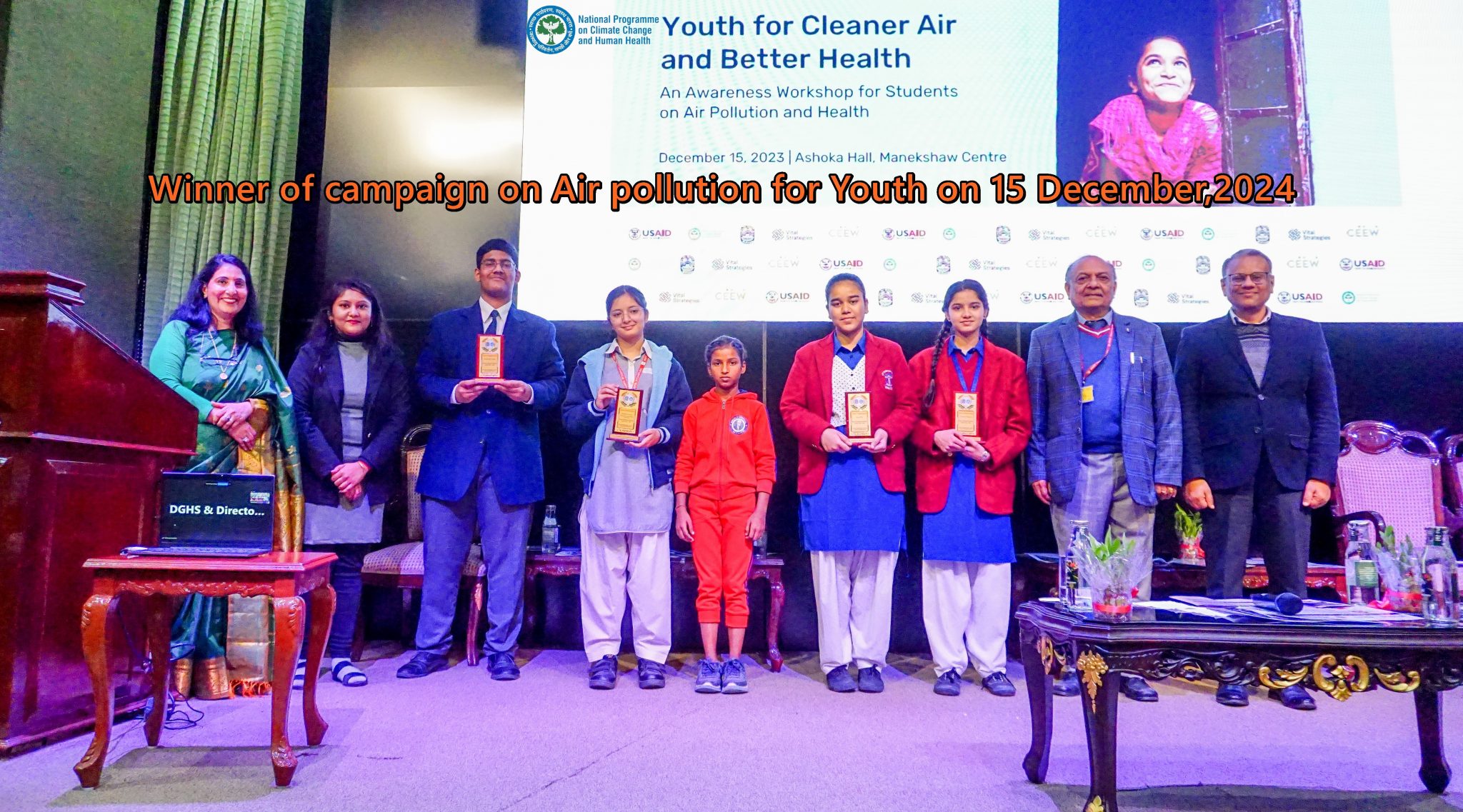
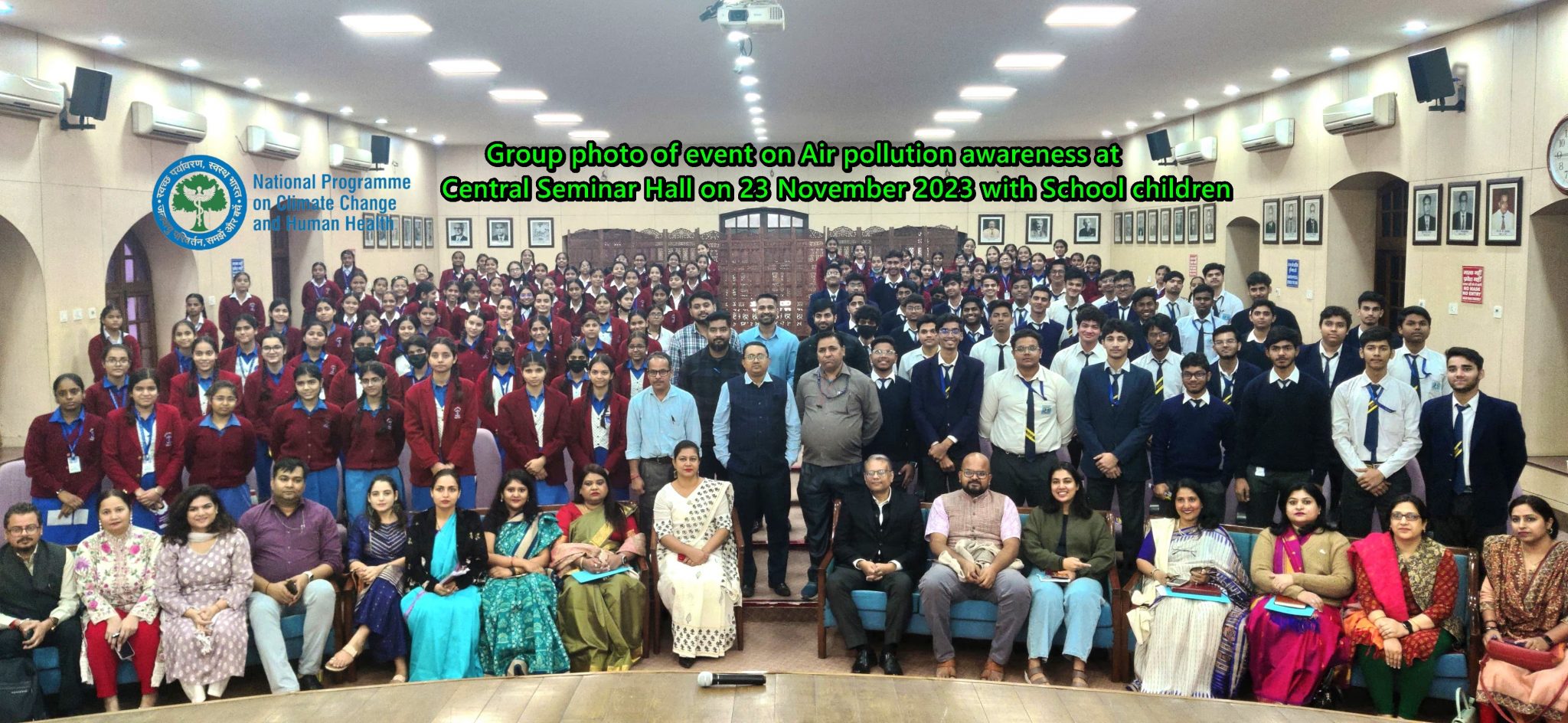
- Campaigns on International Days like World Environment Day, Clean Air for Blue Skies, etc.
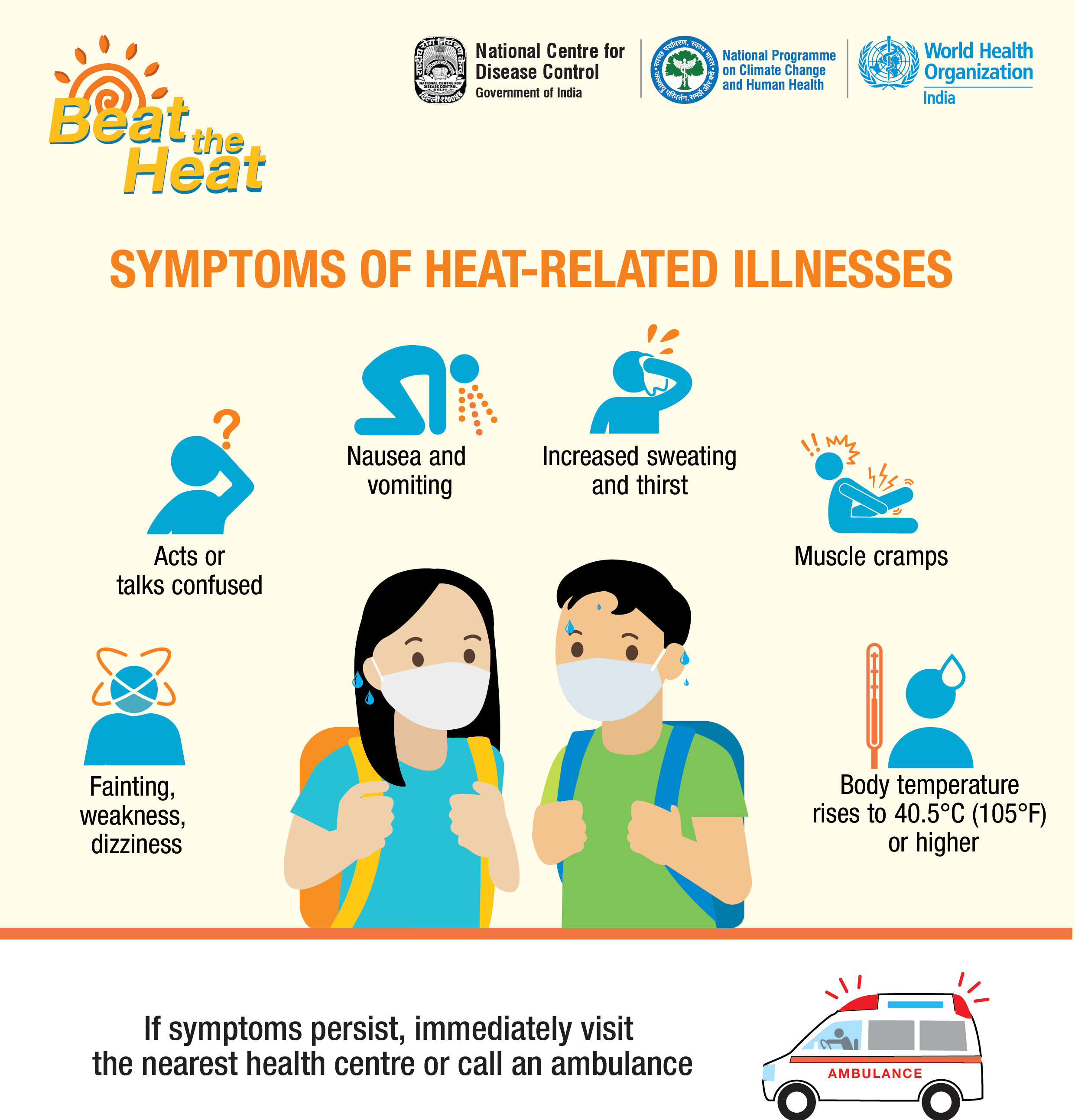
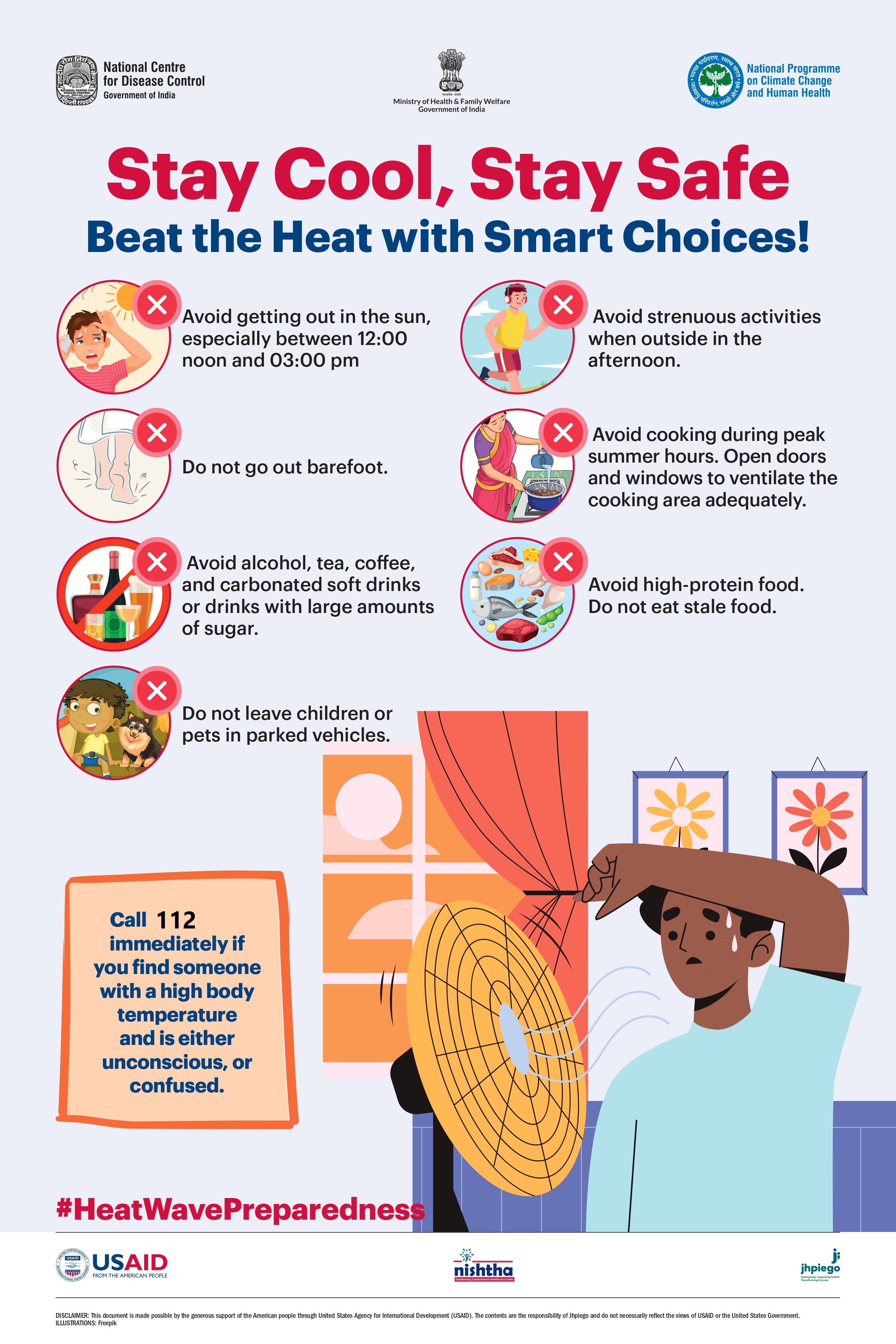
7. Thematic Area: Heat-Related Illnesses
- National Action Plan on Heat-Related Illnesses launched in 2021
- Guidelines on Strengthening Health Systems Preparedness for Heat Related Illnesses (HRI) in India released (2023)
- Guidelines on Emergency Cooling for Severe Heat Related Illnesses published (2024)
- Guidelines on Autopsy Findings in Heat-Related Deaths published (2024)
- Checklist criteria to Categorize Heat Stroke or HRI Deaths in Clinical Setting developed (2024)
- Training modules for nodal officer, medical officer and community health workers developed (2022)
- Heat-Related Illnesses & Death Surveillance ongoing on digital platform (IHIP) since 2023, expanded to all States and conducted year around from PHC level and above
- Heat Stroke Management Units being developed at secondary and tertiary care hospitals to ensure seasonal heat-focused preparedness since 2024
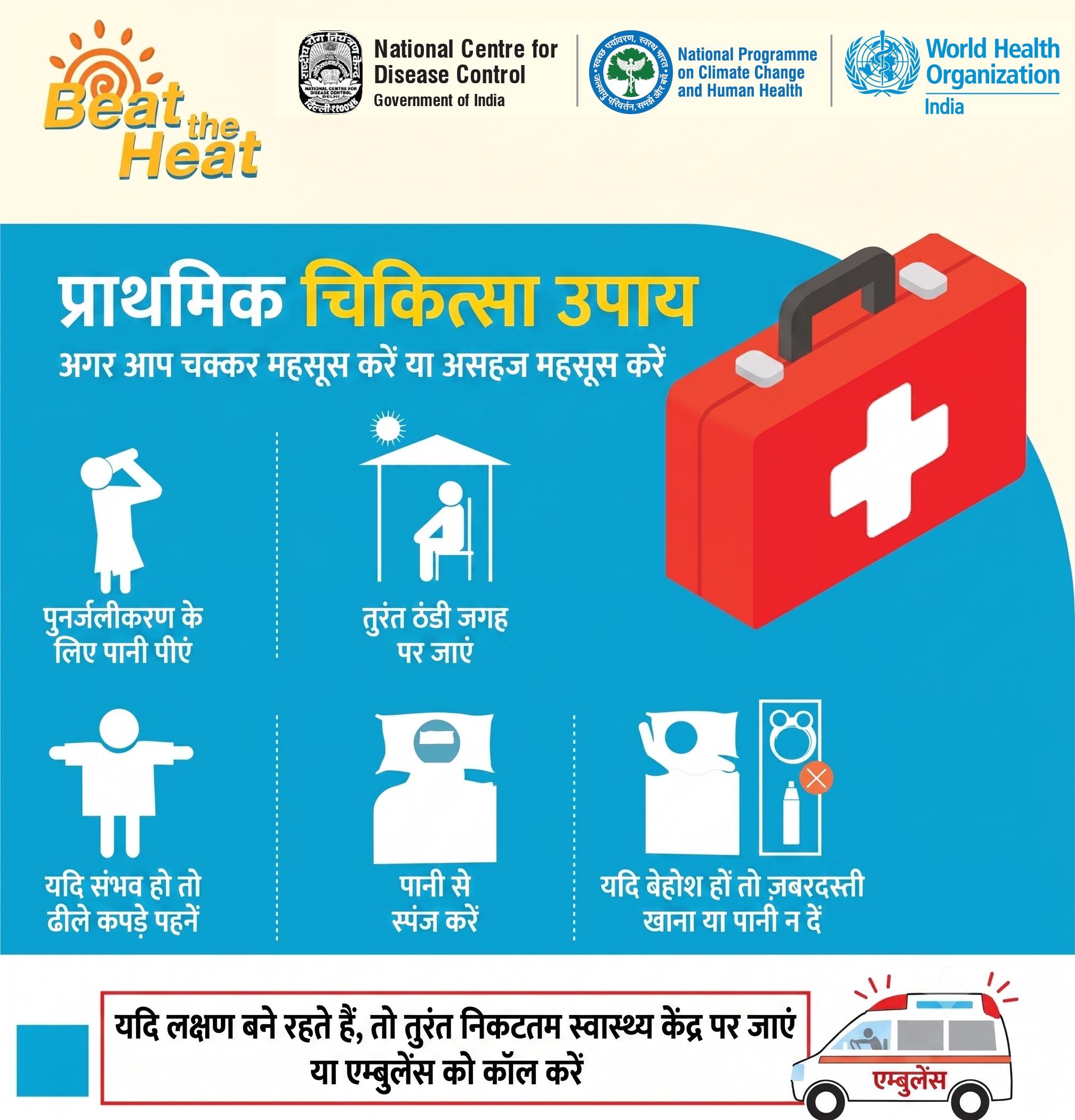
- Ambulance preparedness being strengthened for rapid active cooling on field and during transfers
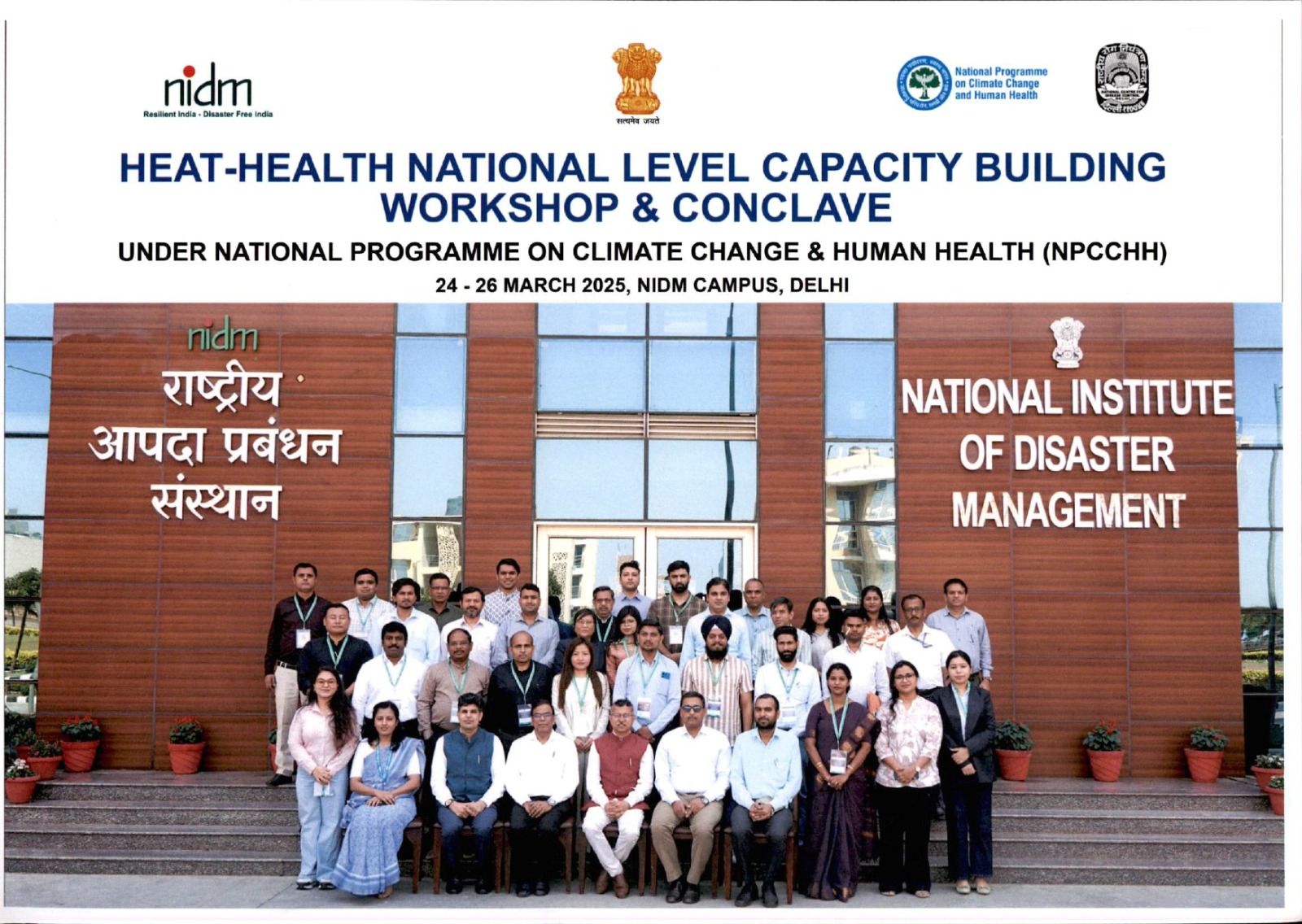
- Annual capacity building scheduled for pre-summer training of health professionals on heat health impacts, HRI surveillance and health facility and ambulance preparedness
- Health impacts of extreme heat incorporated in the Action Plan on Climate Change & Human Health for all states and UTs
Awareness generation
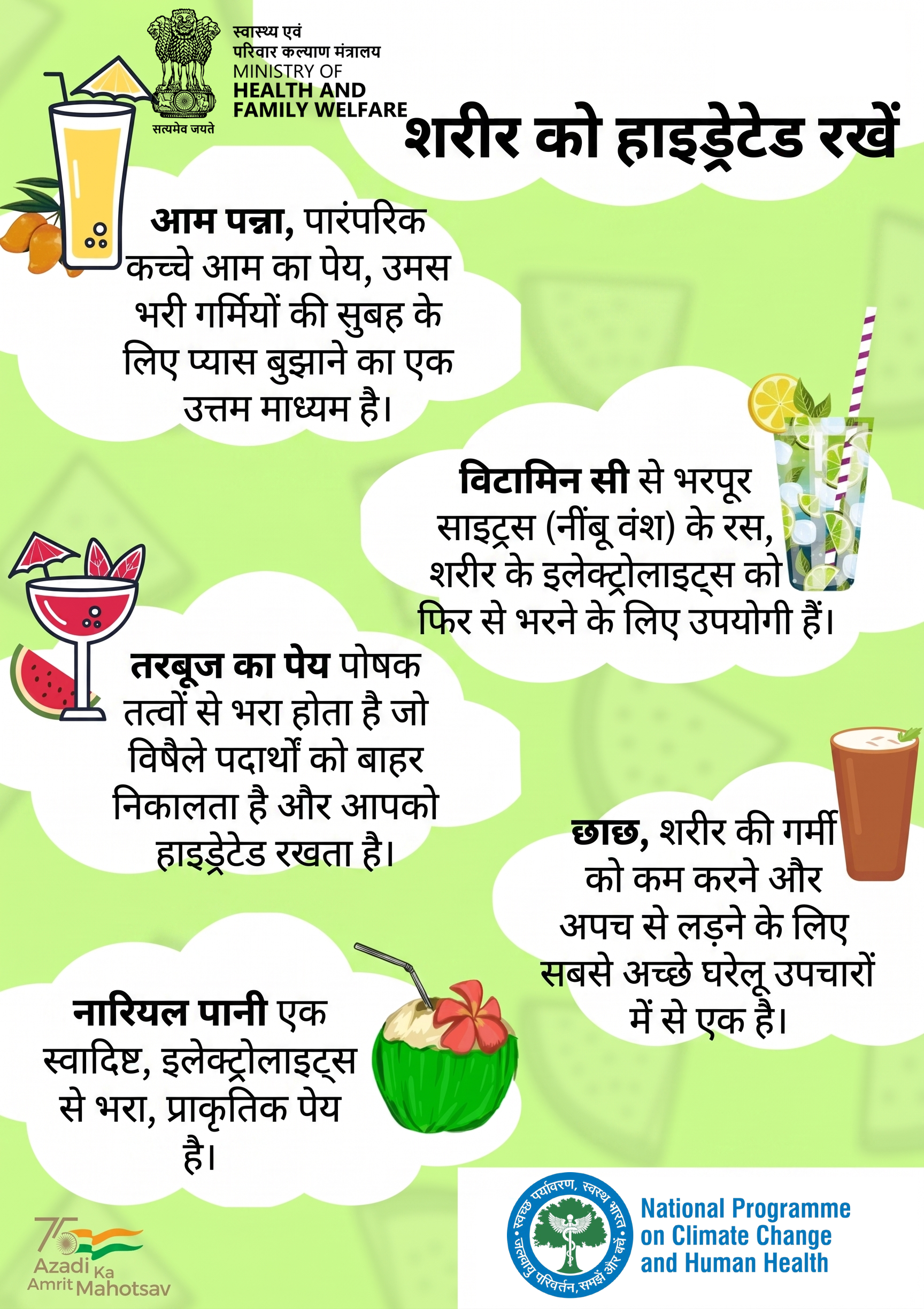
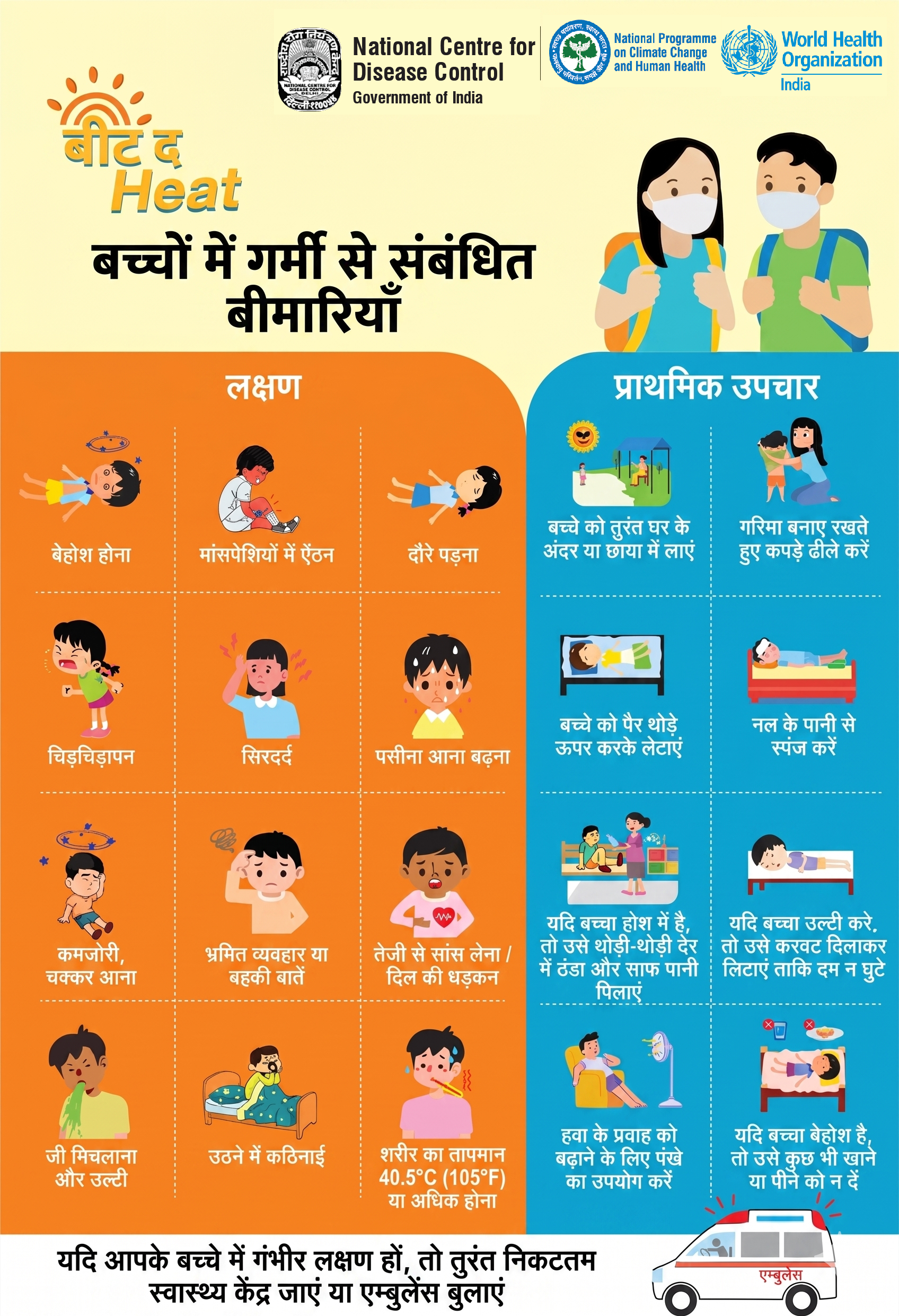
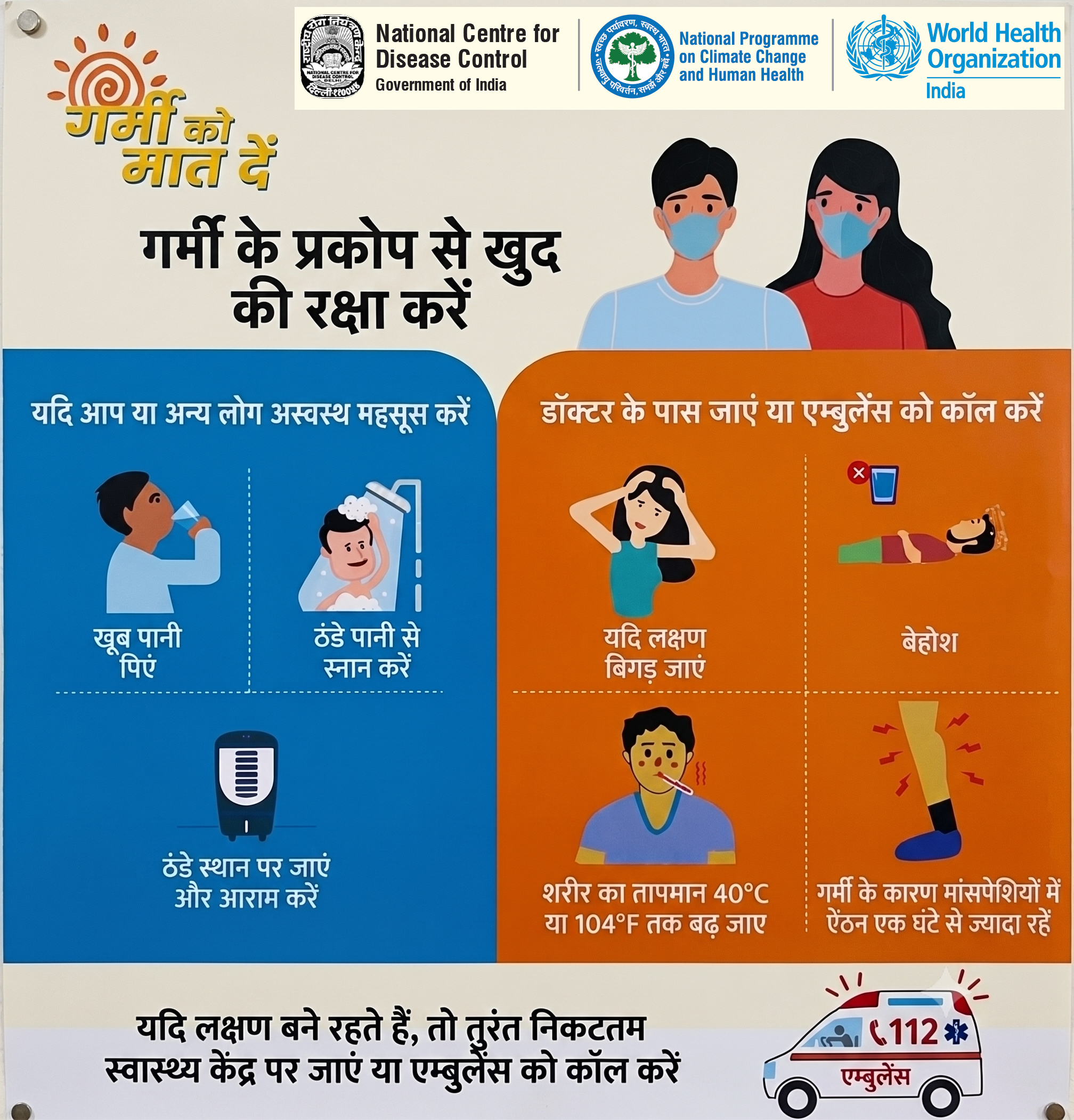
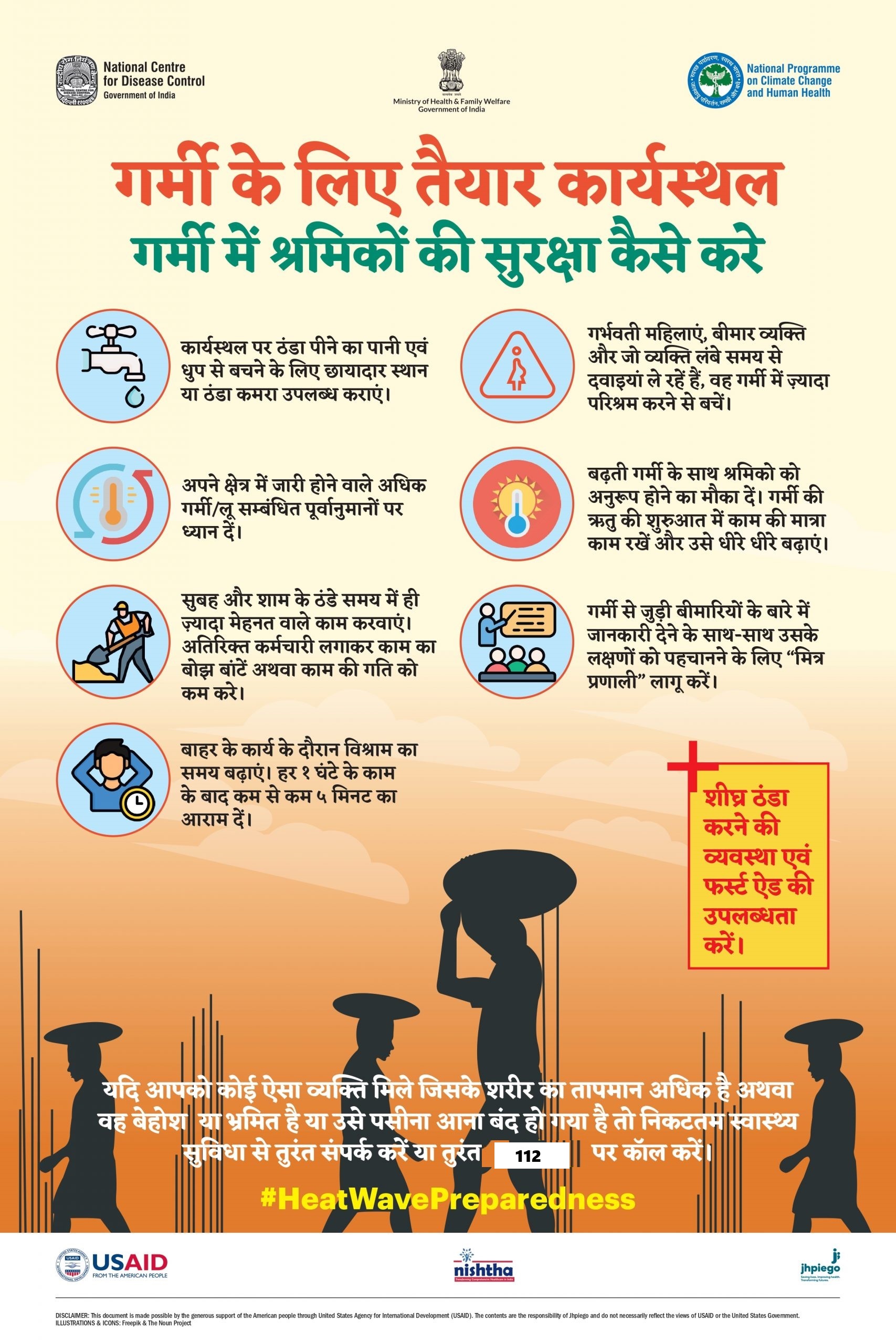
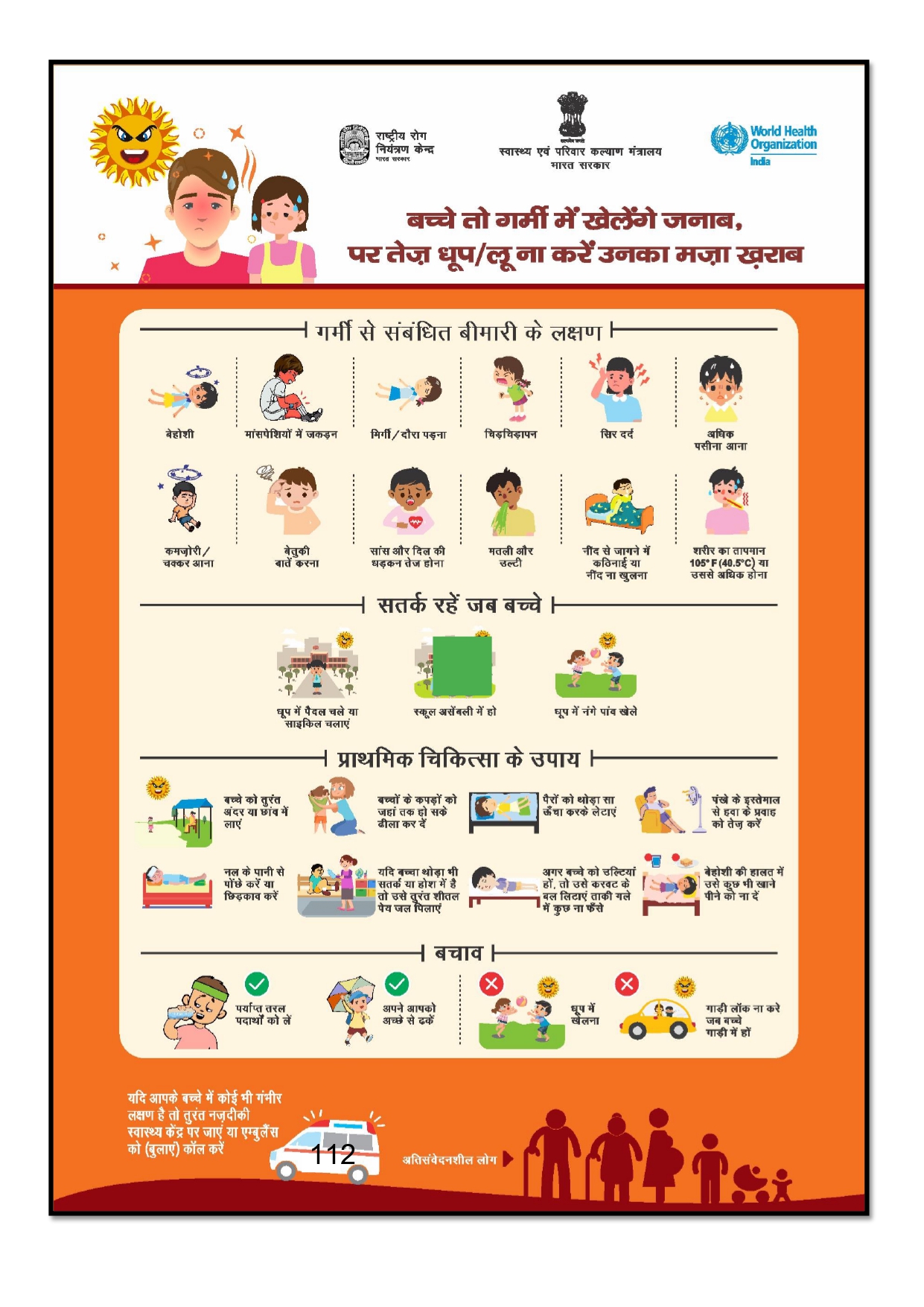
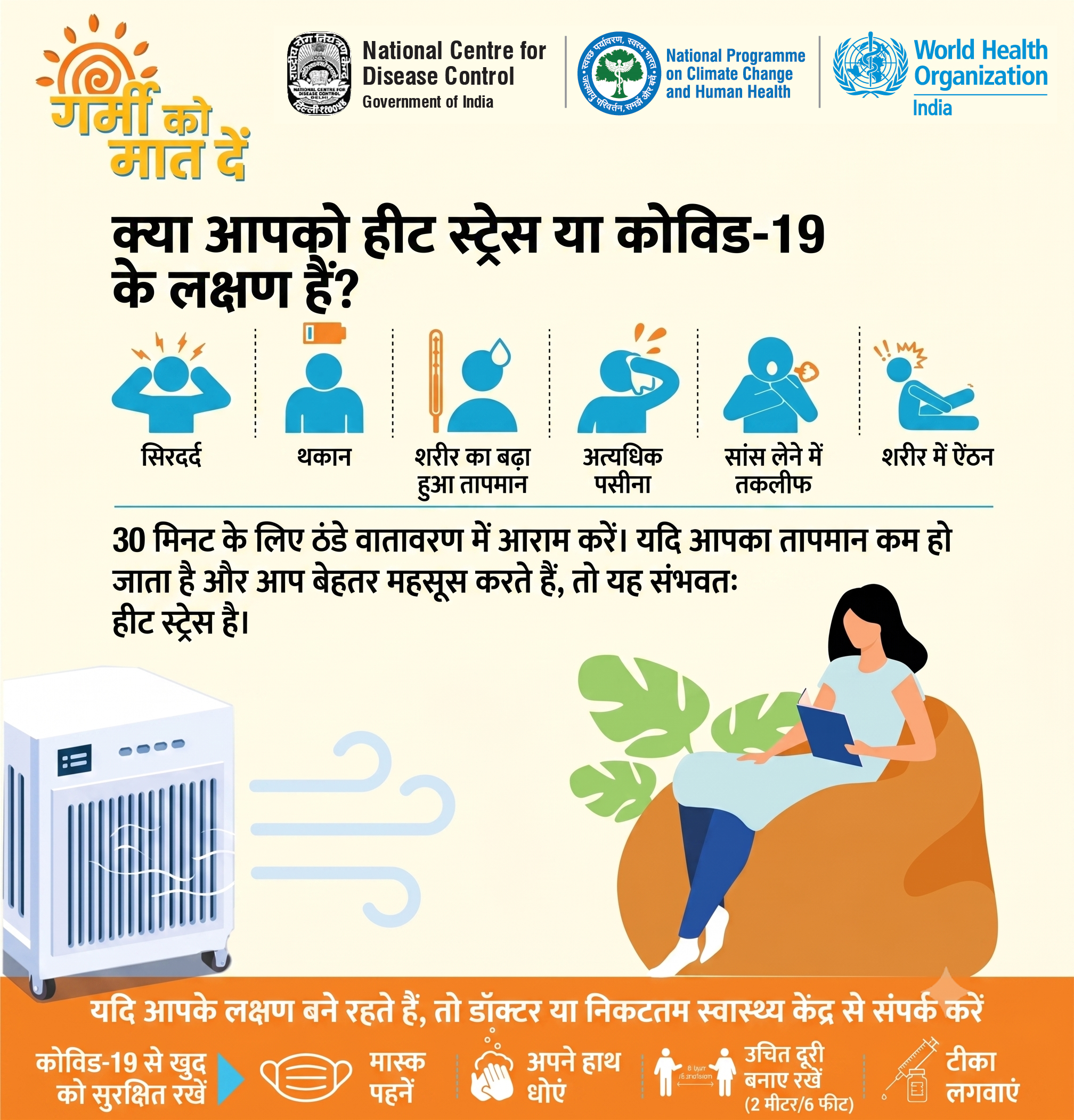
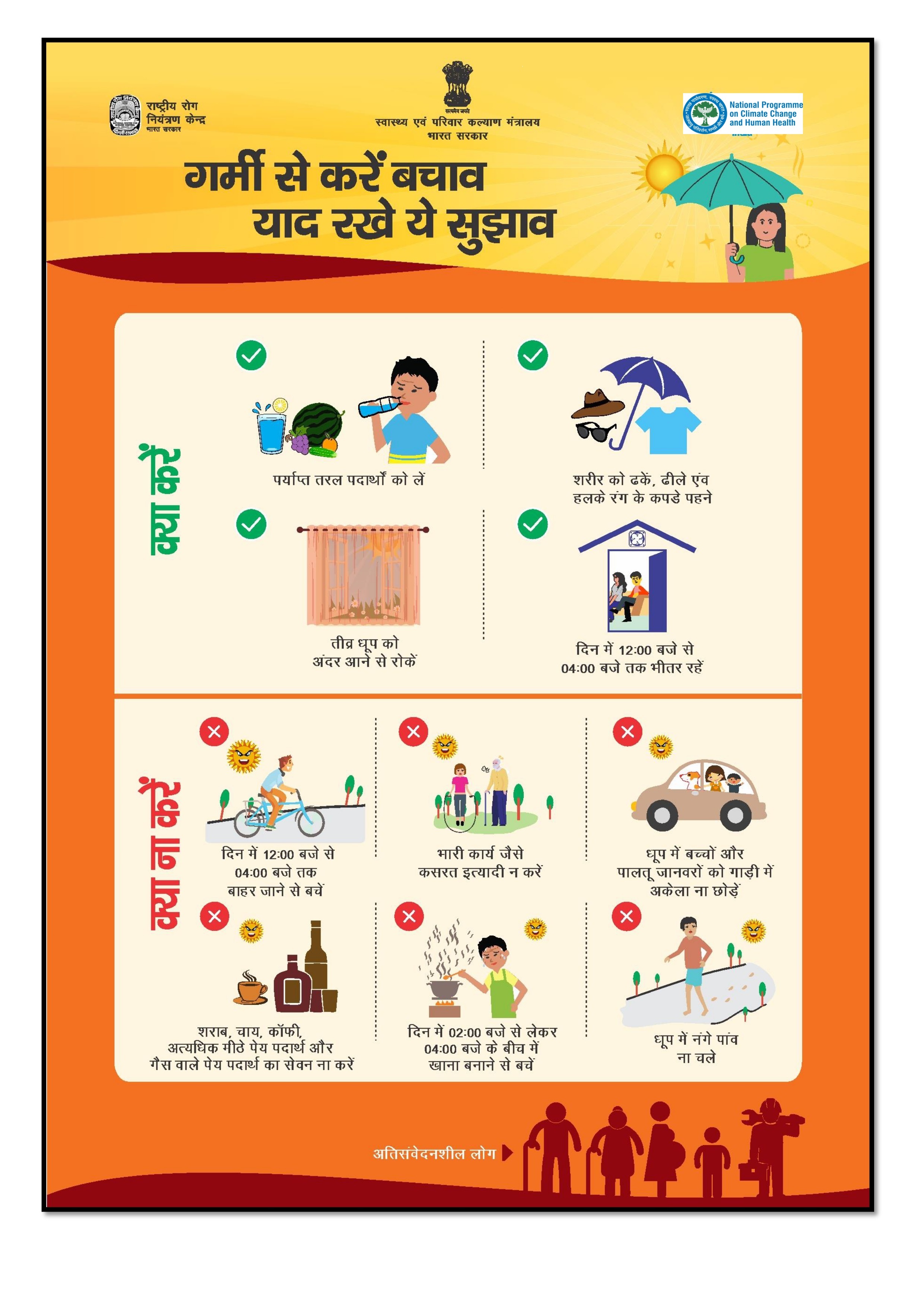
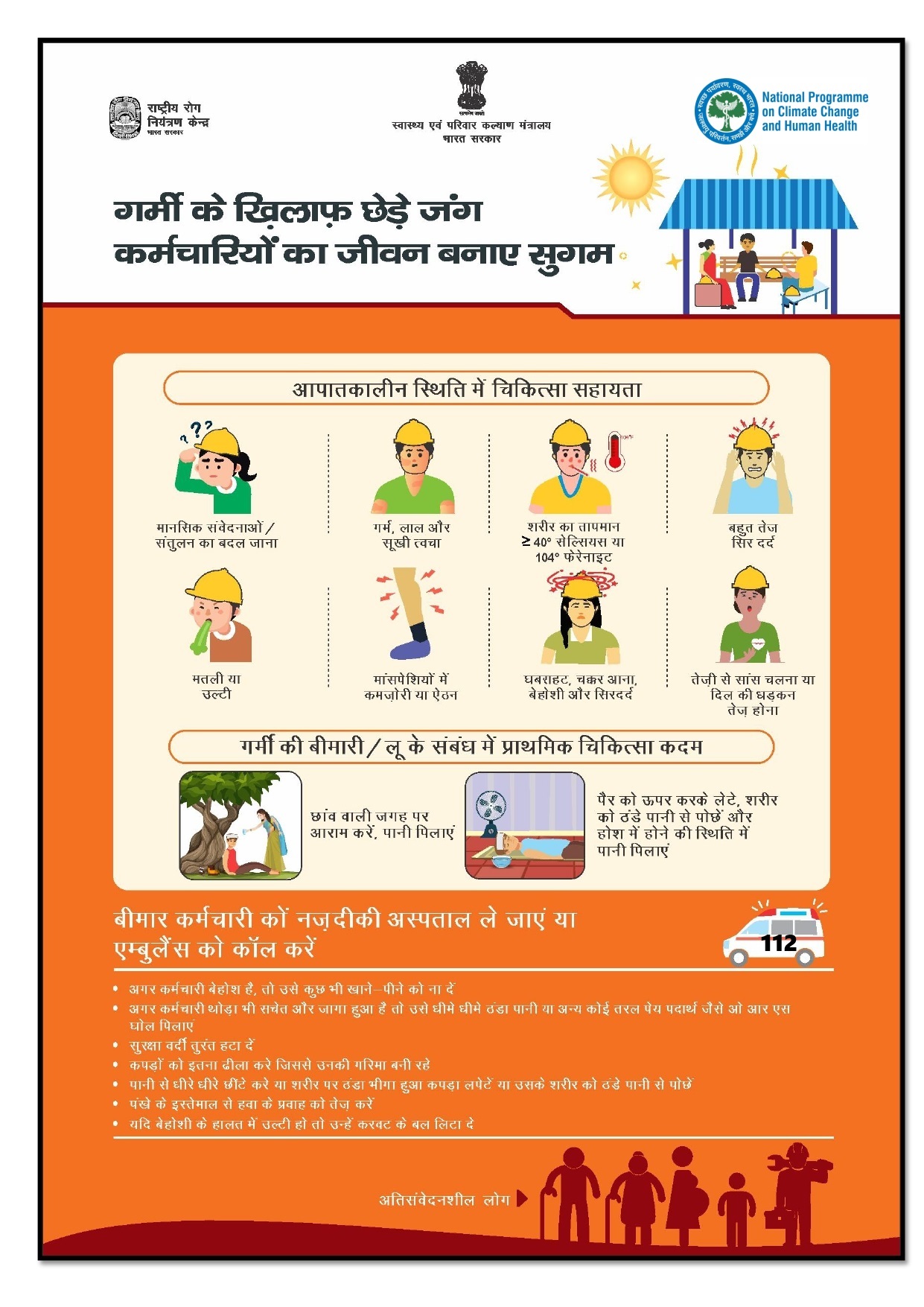
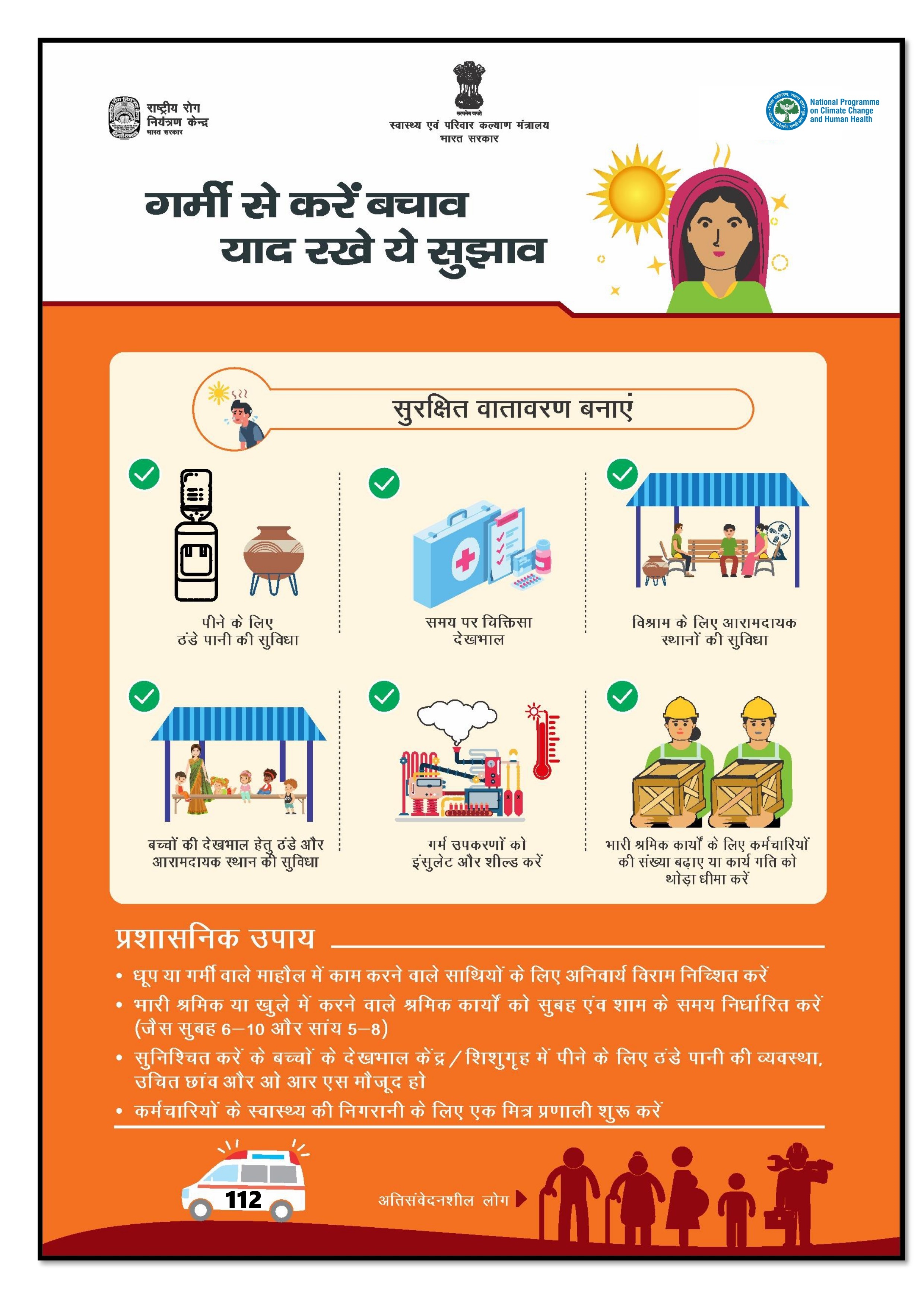
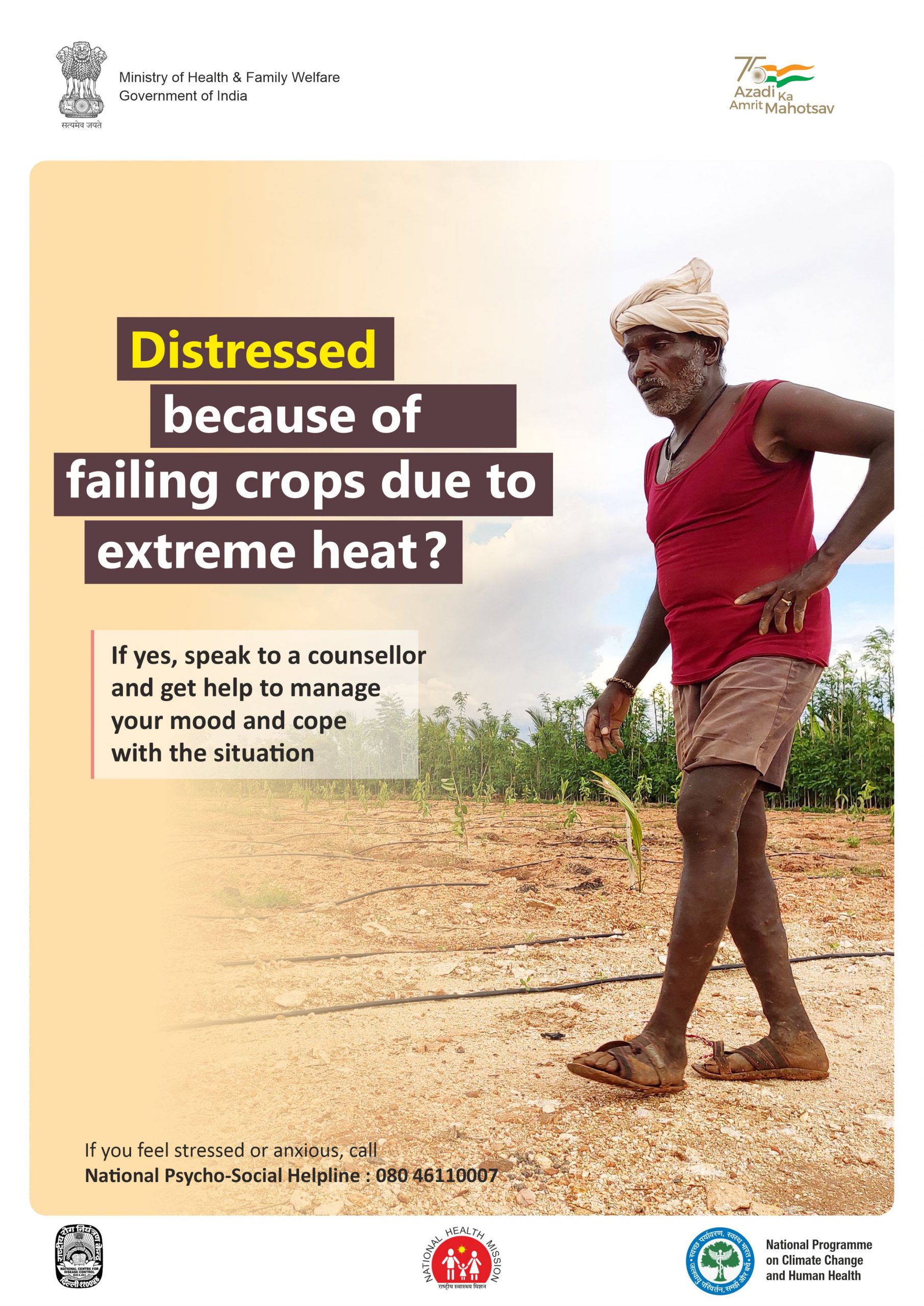
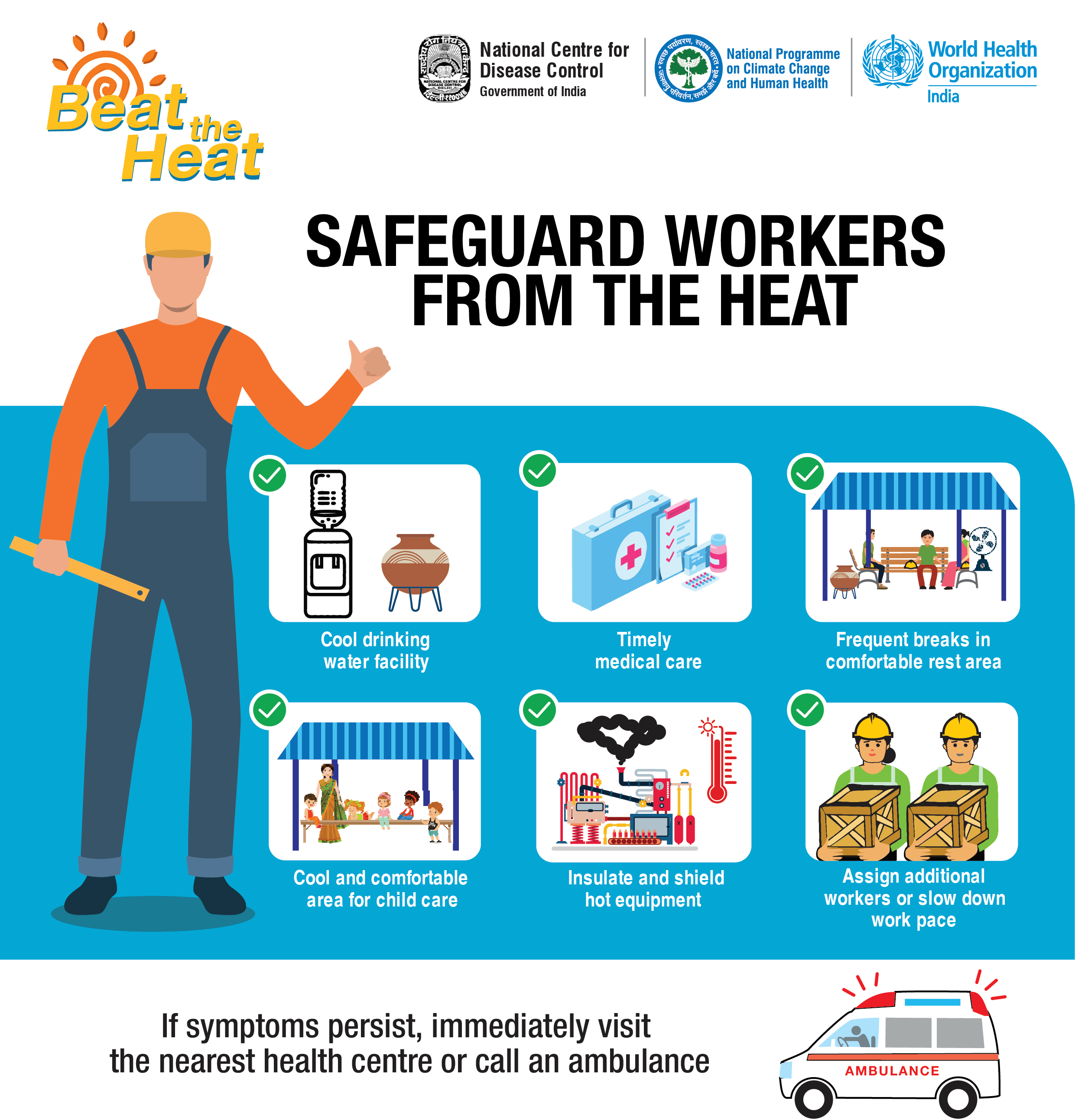
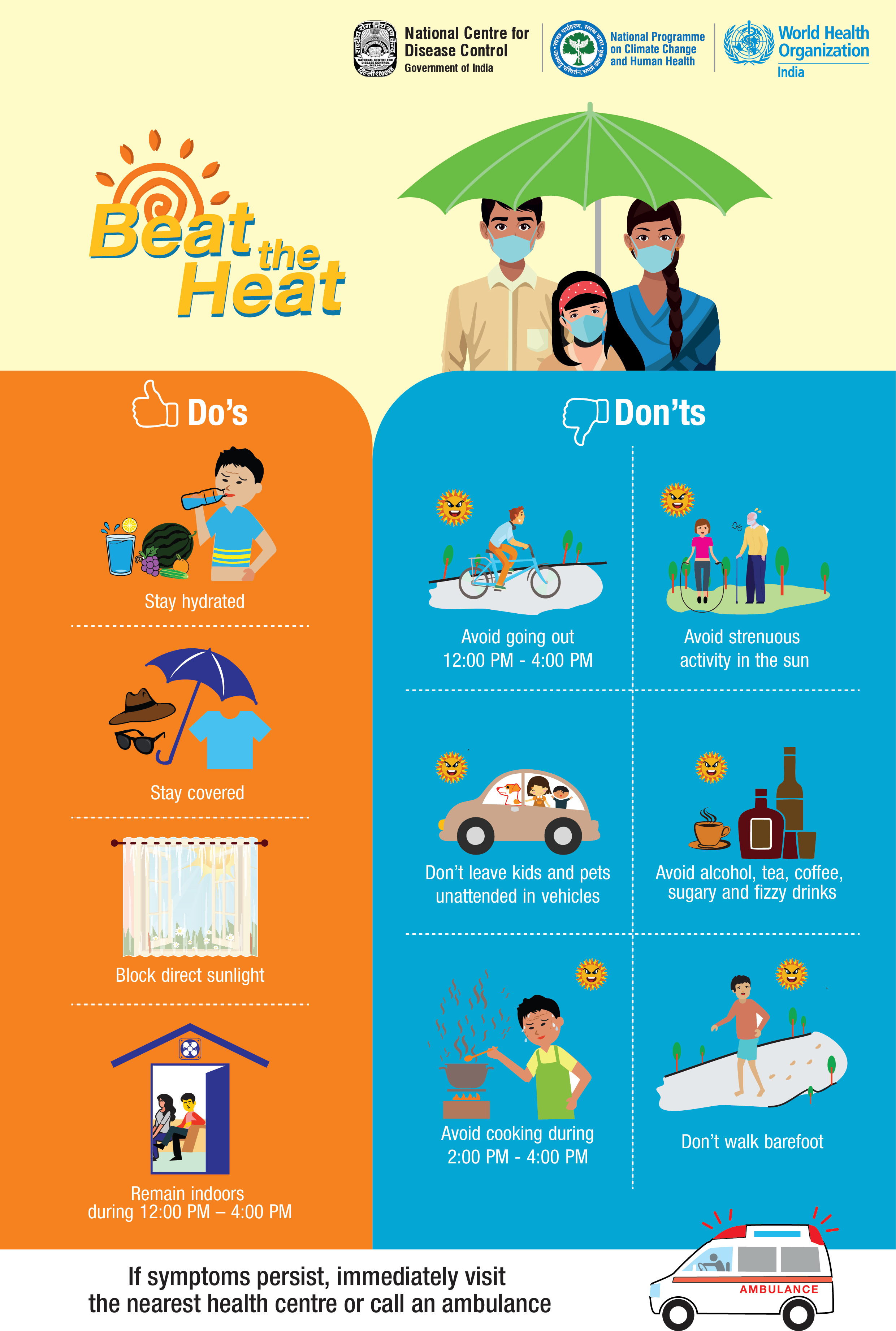
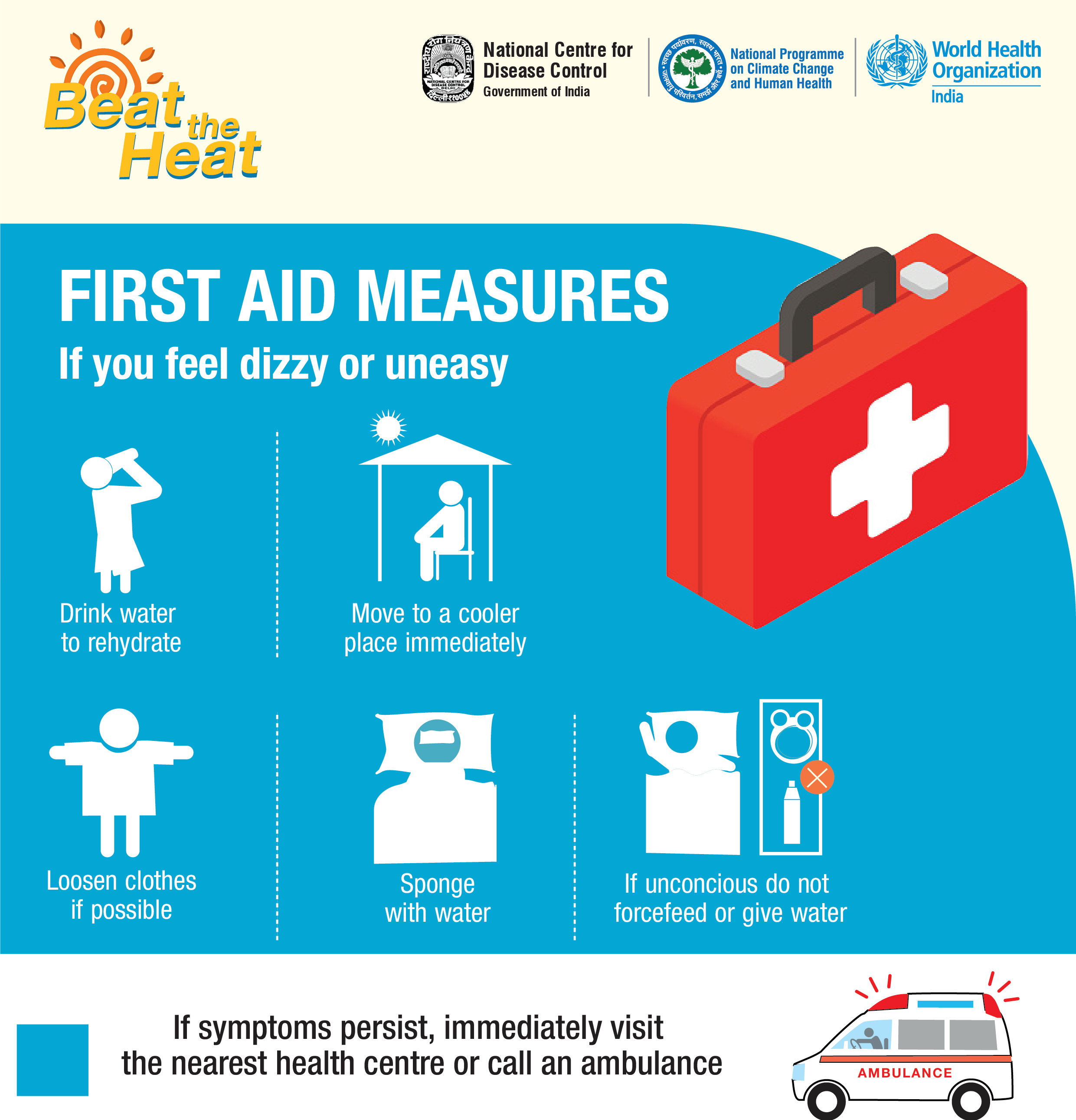
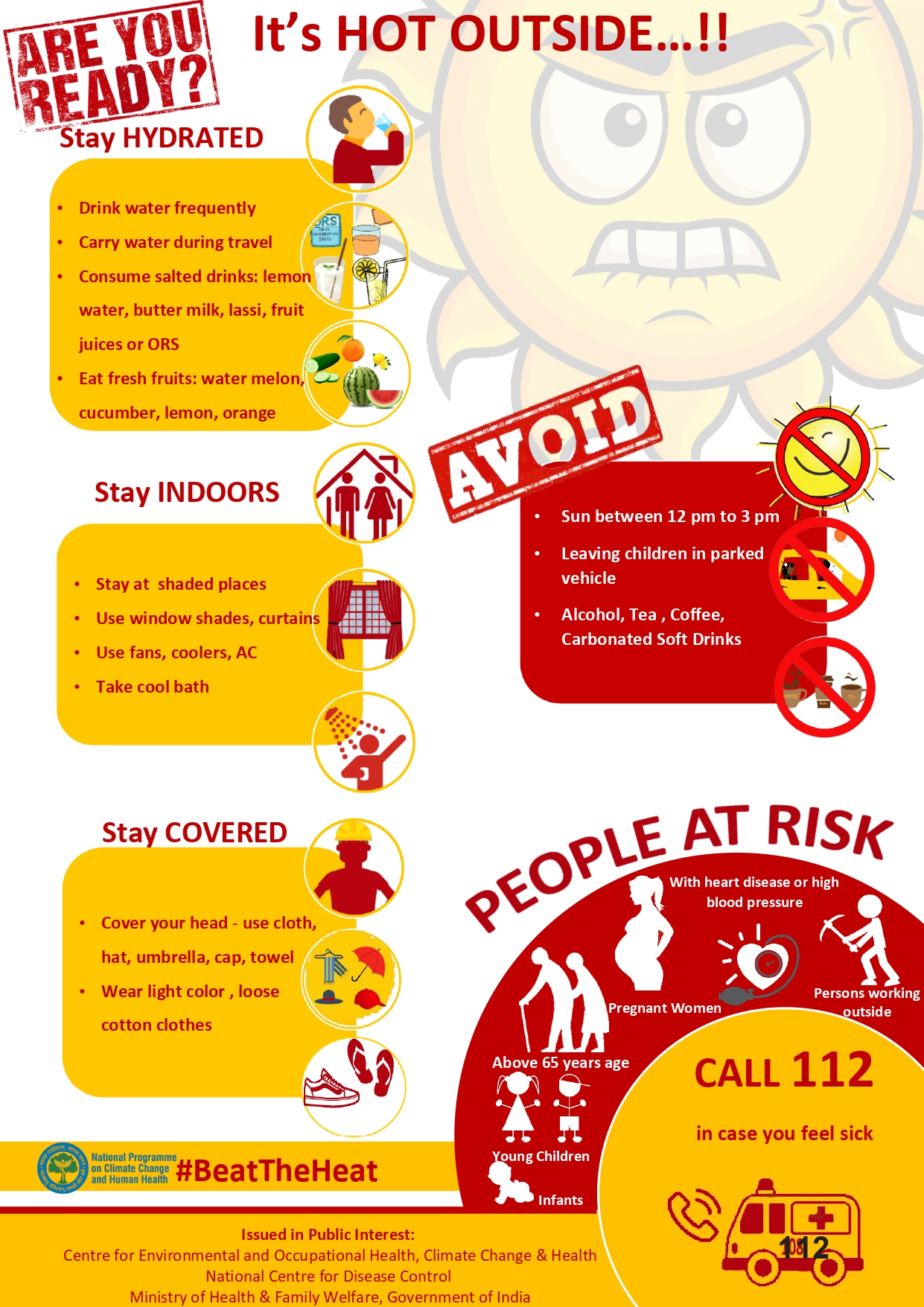
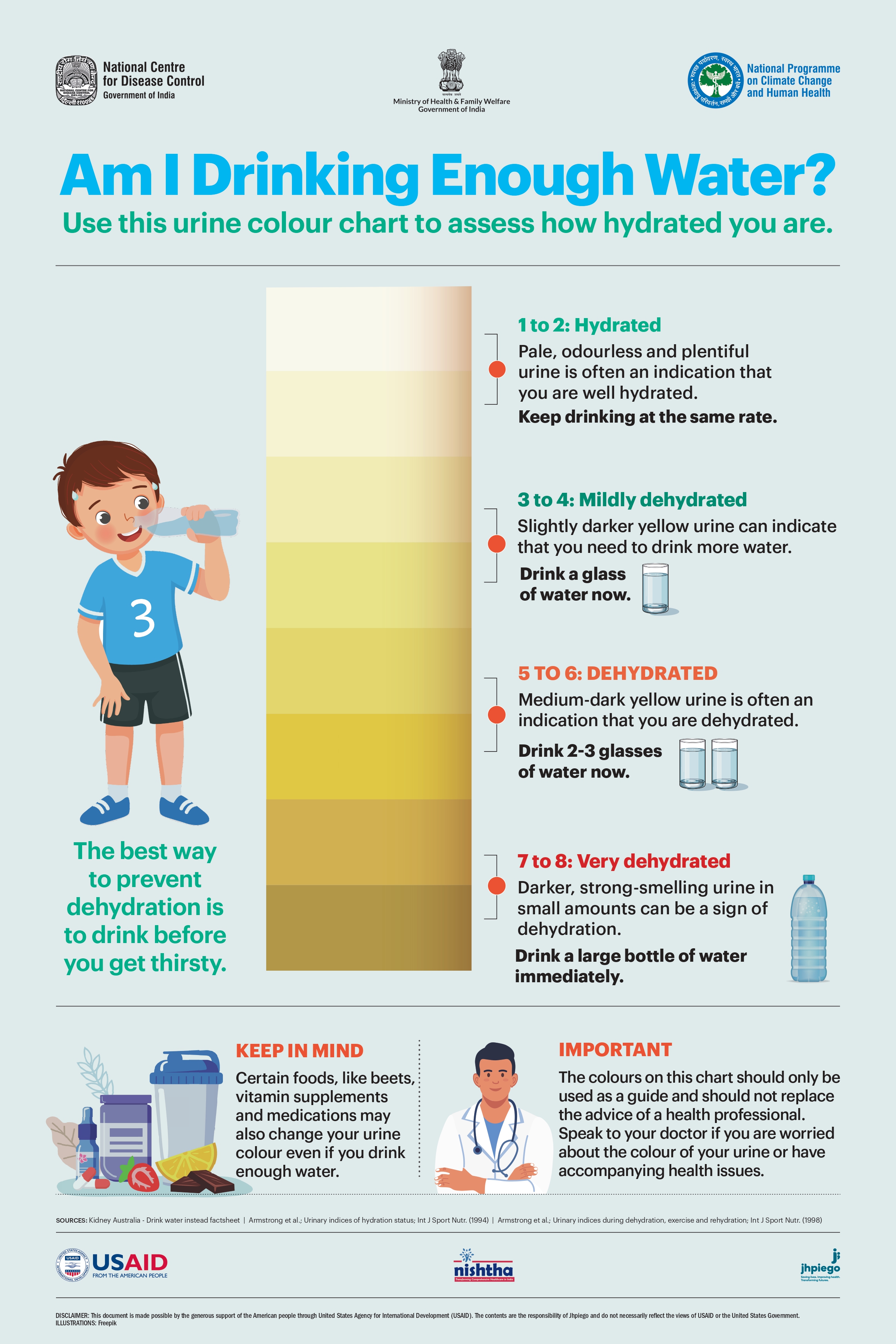
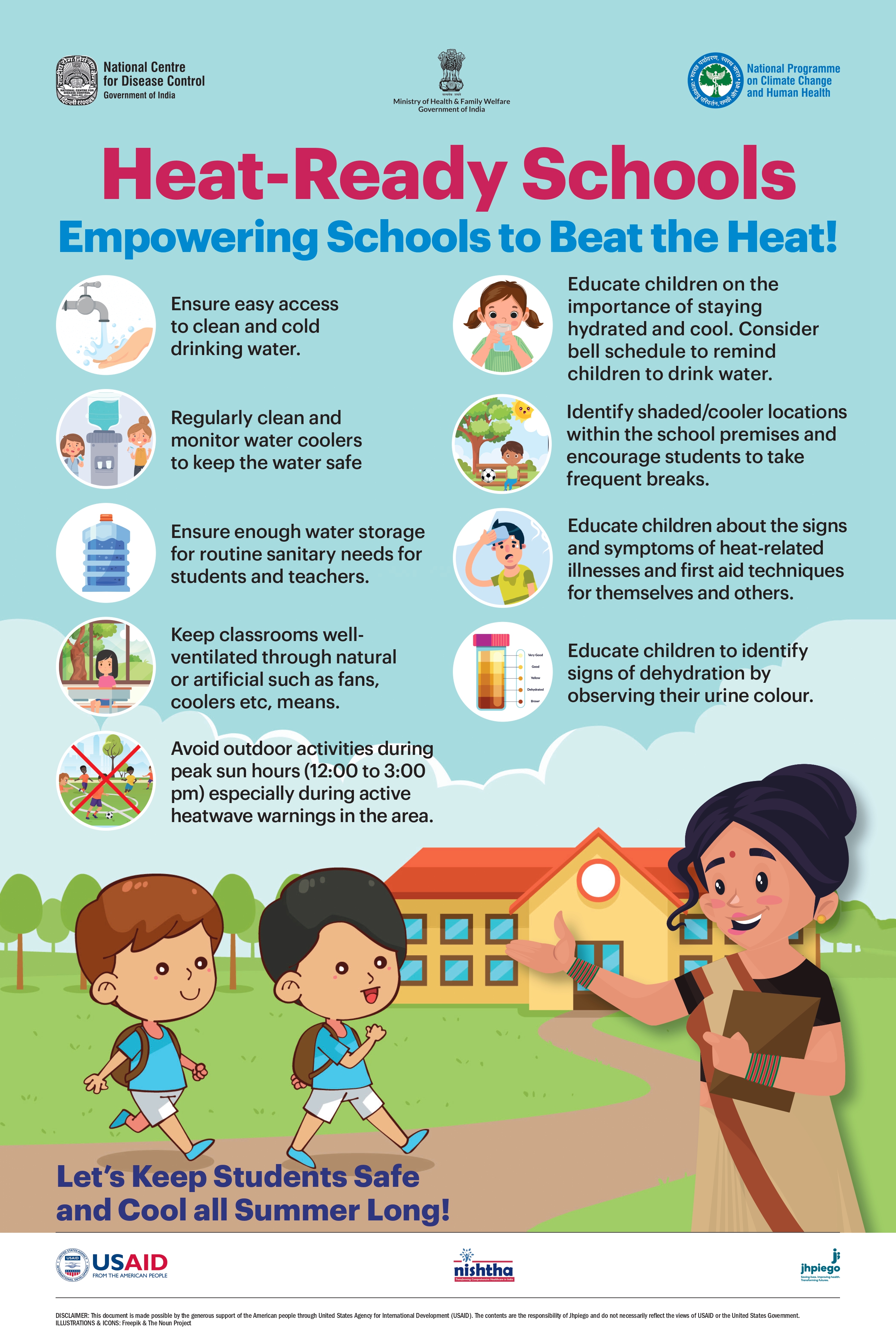
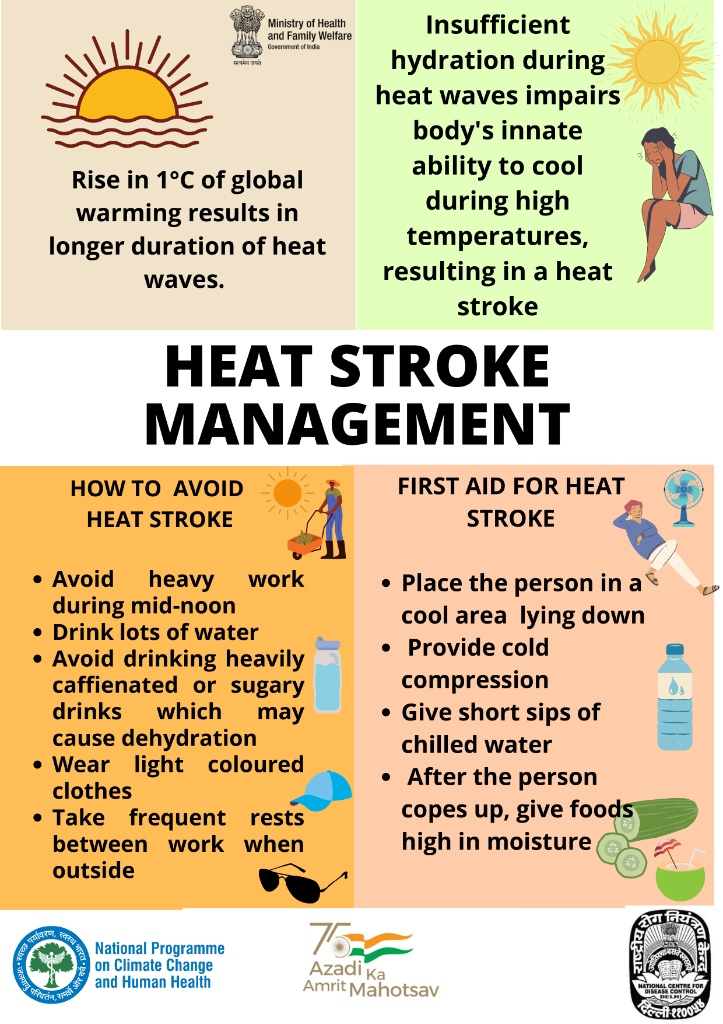
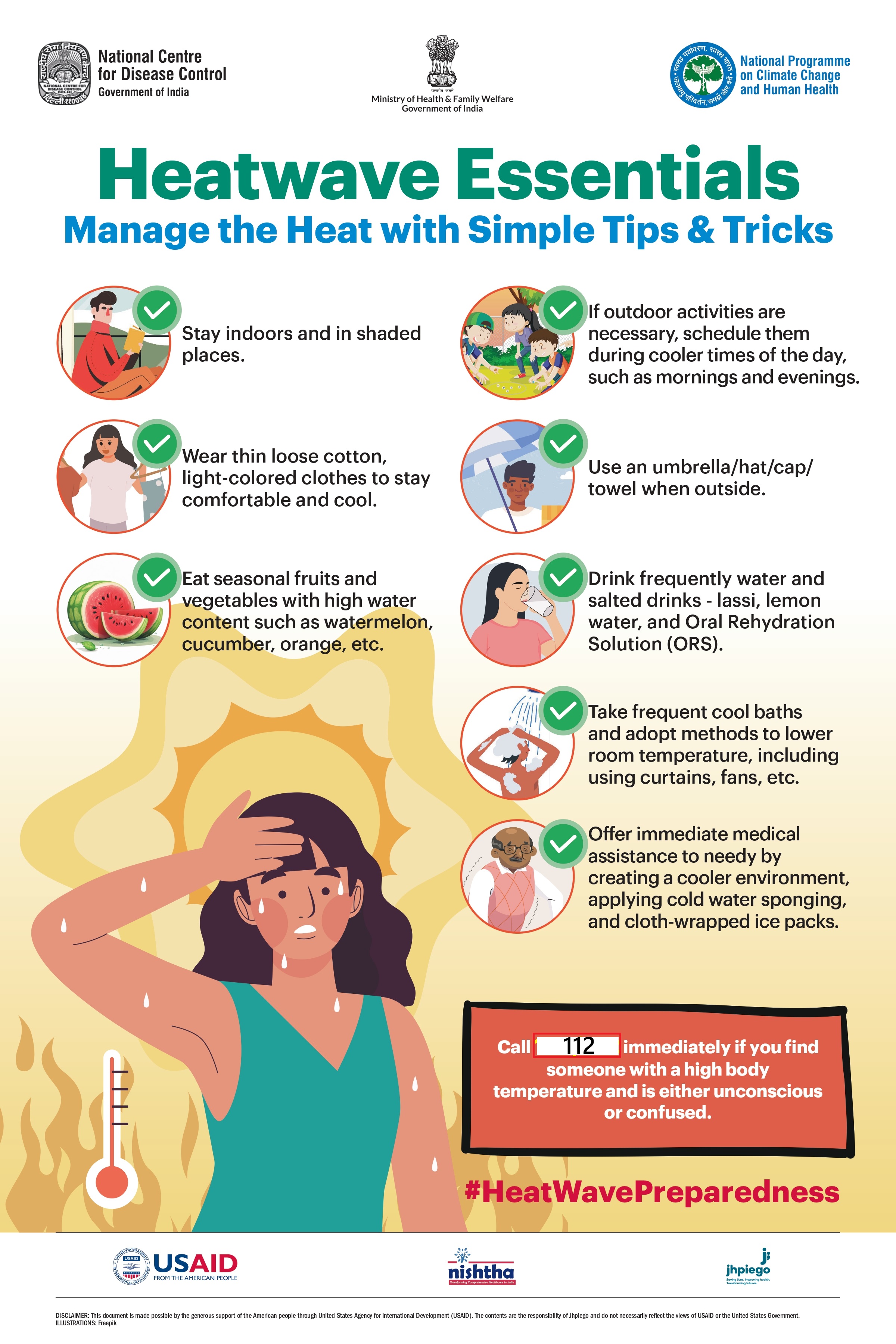
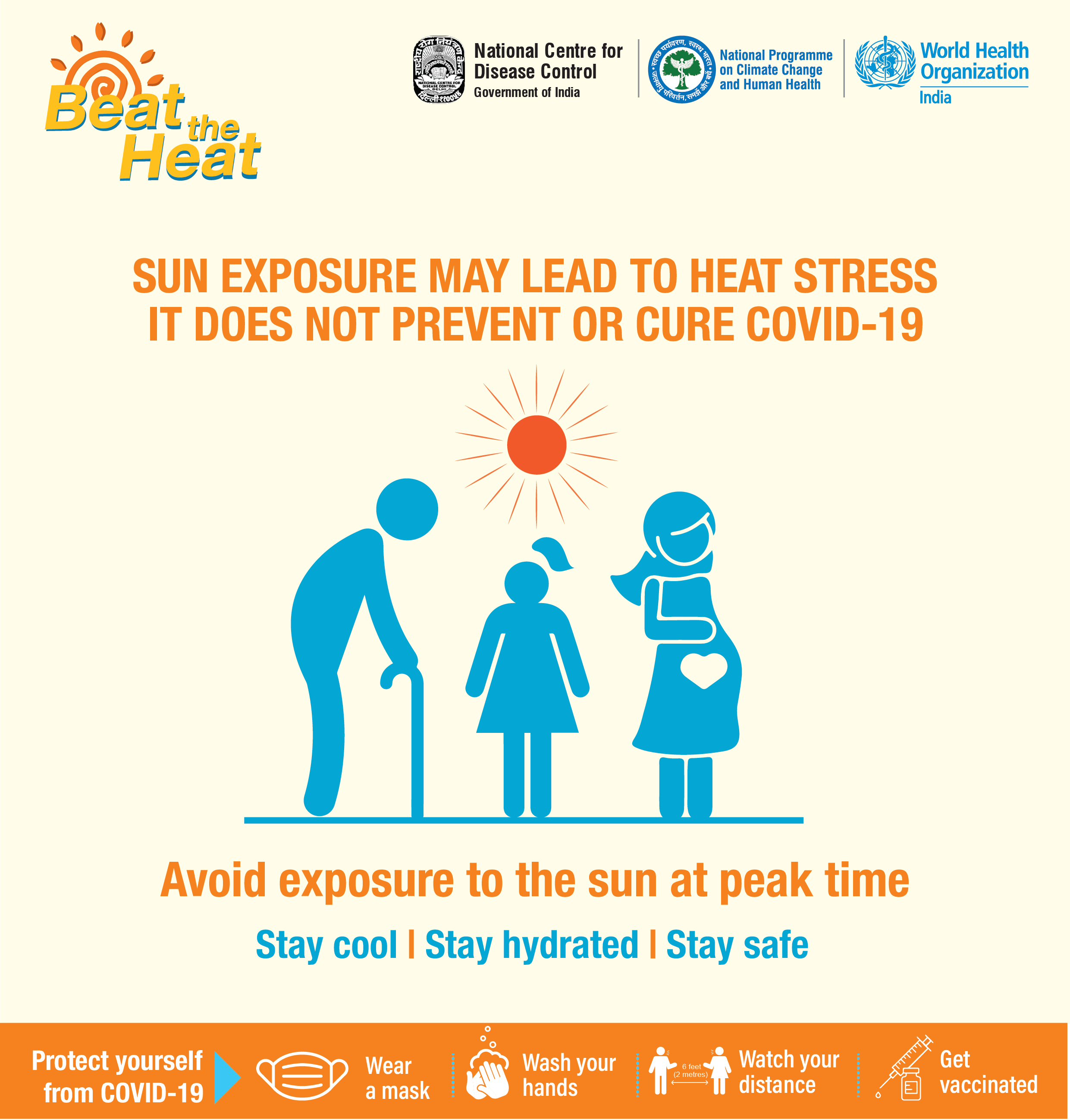
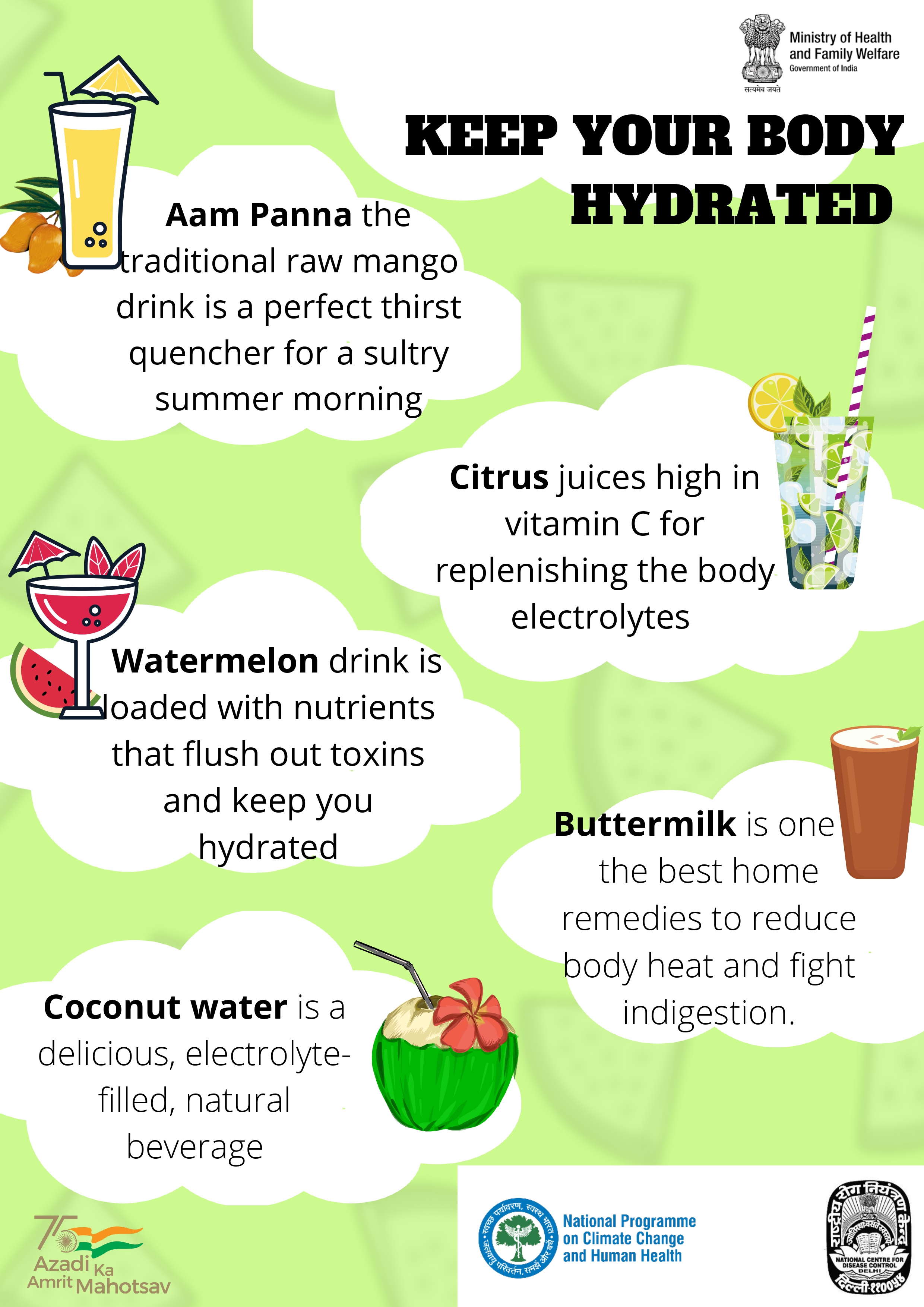
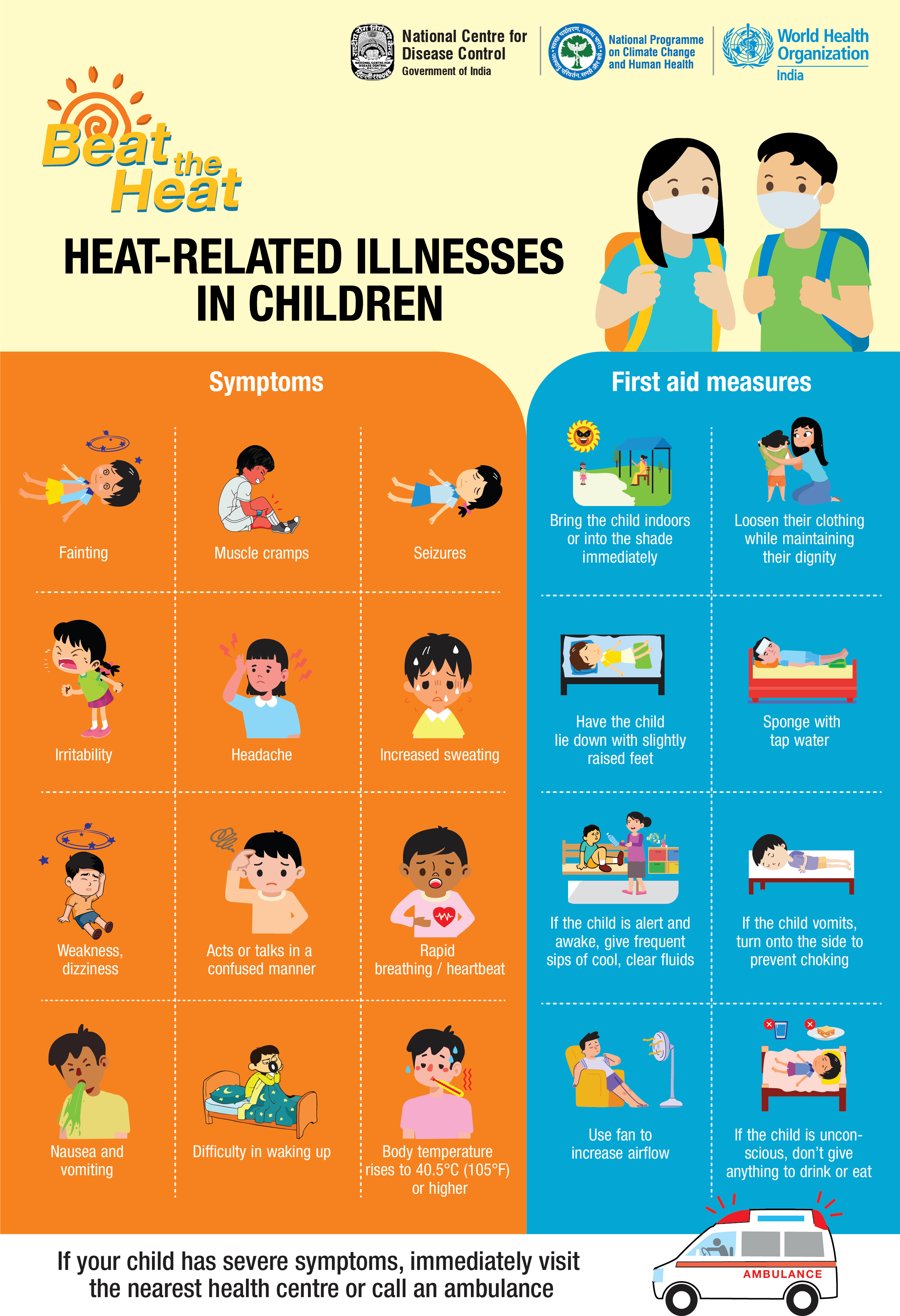
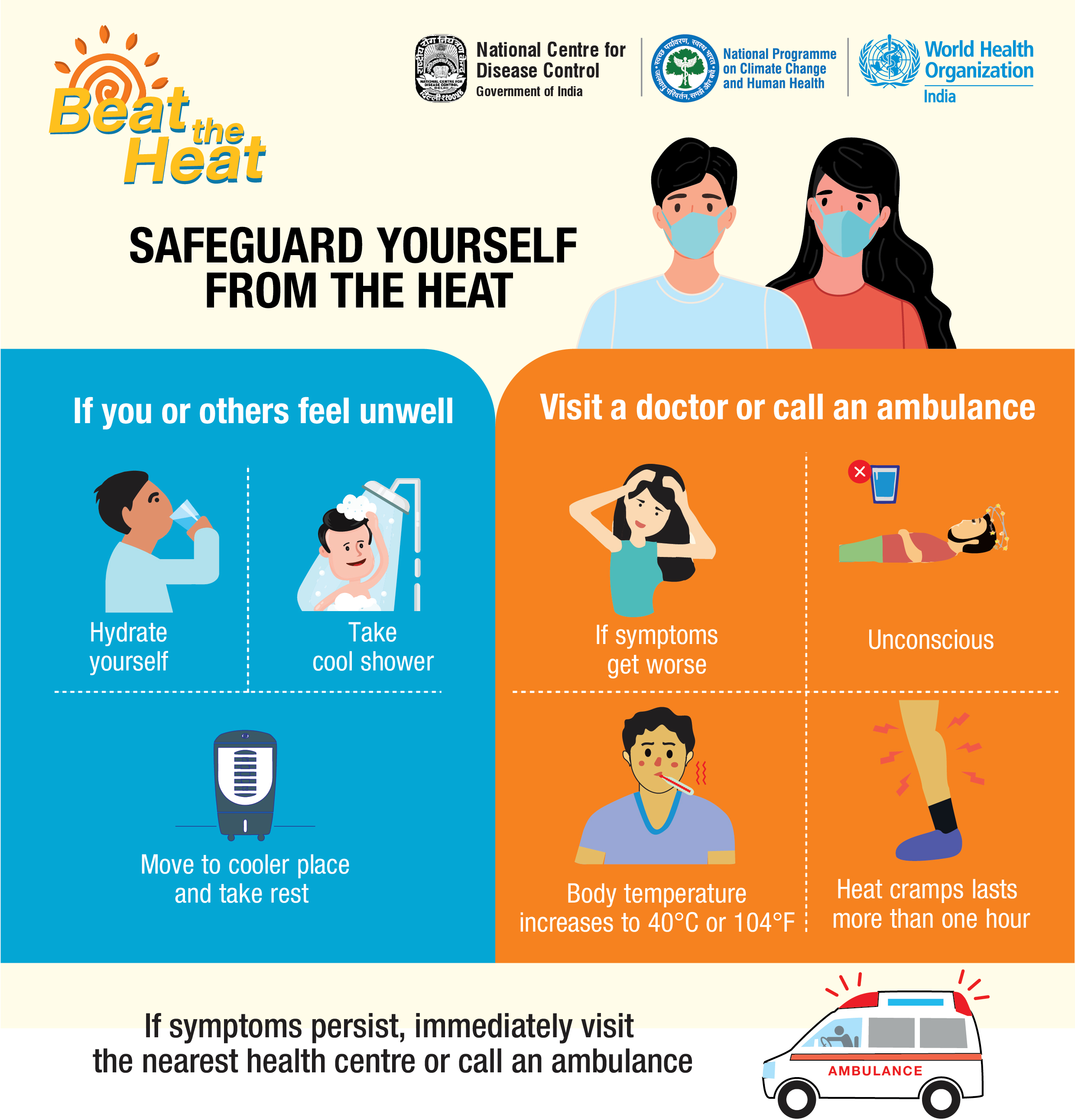
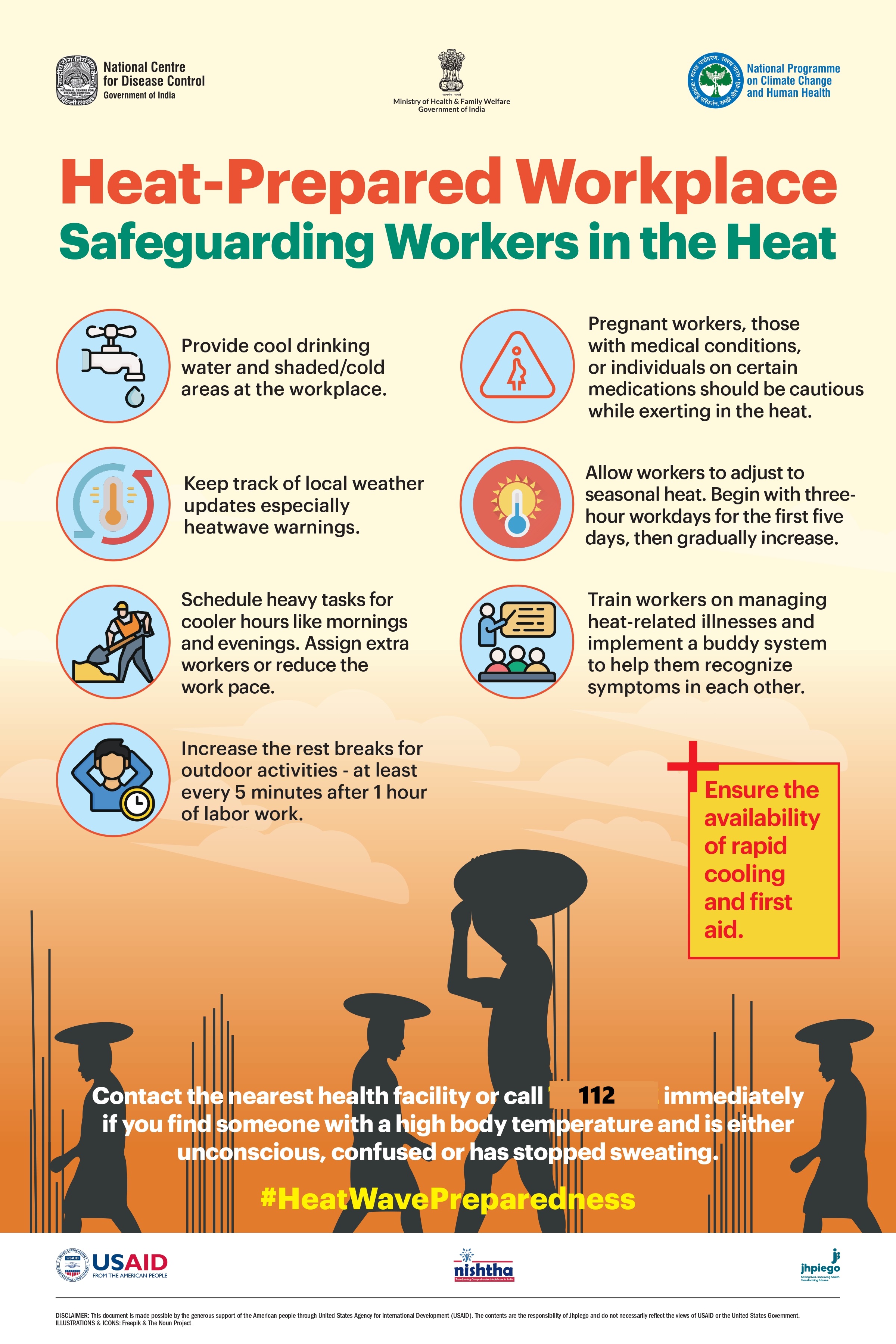
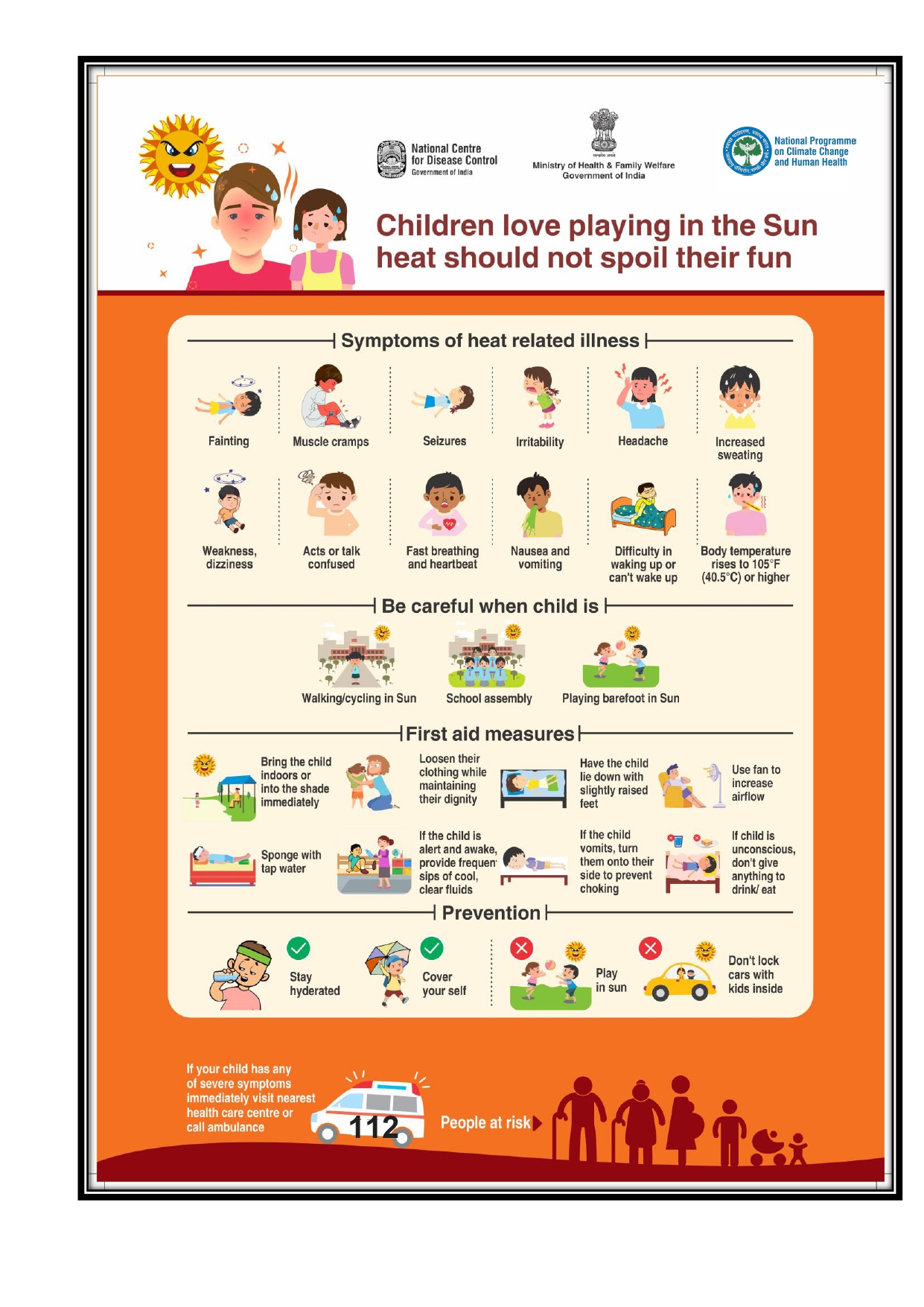
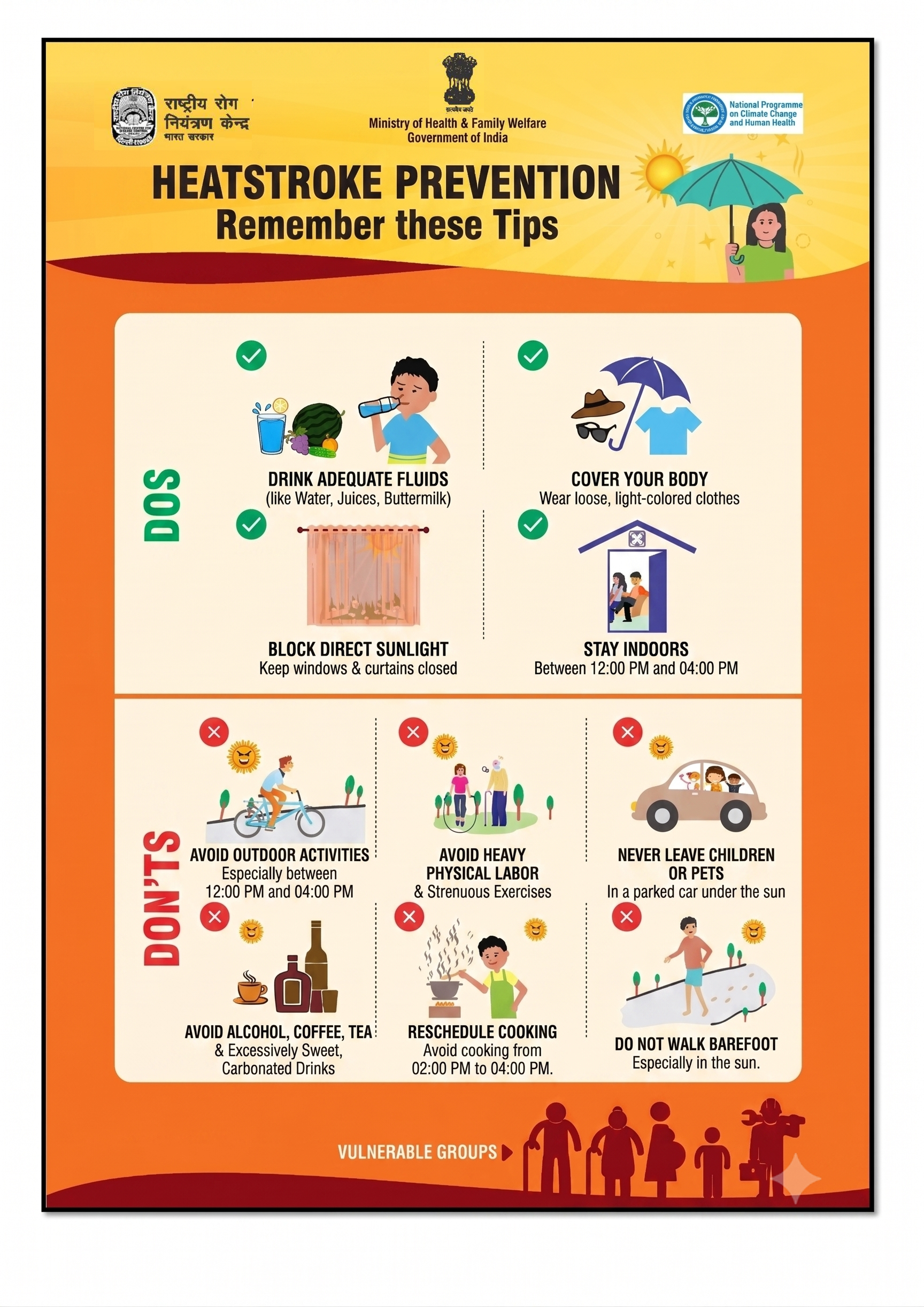
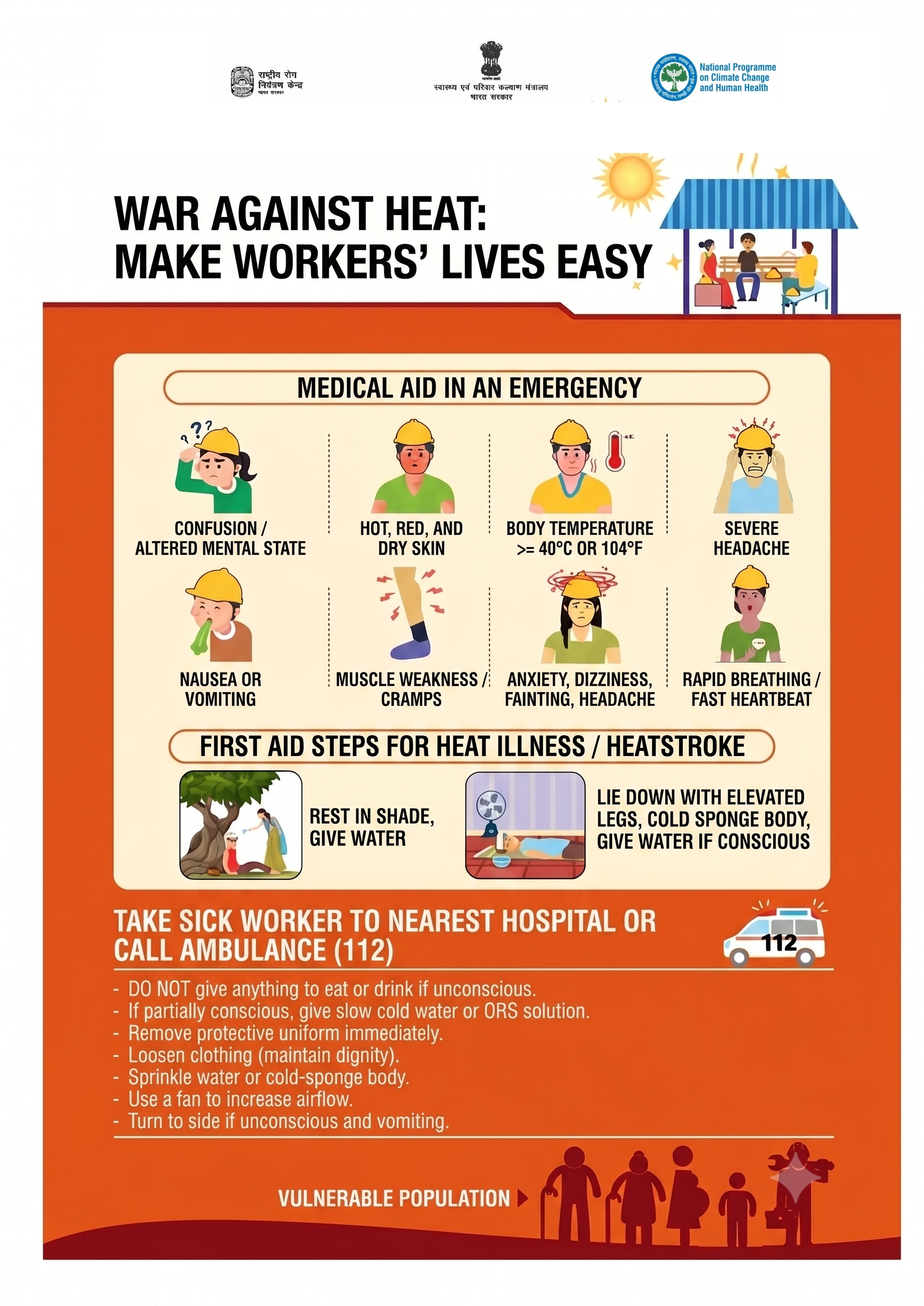
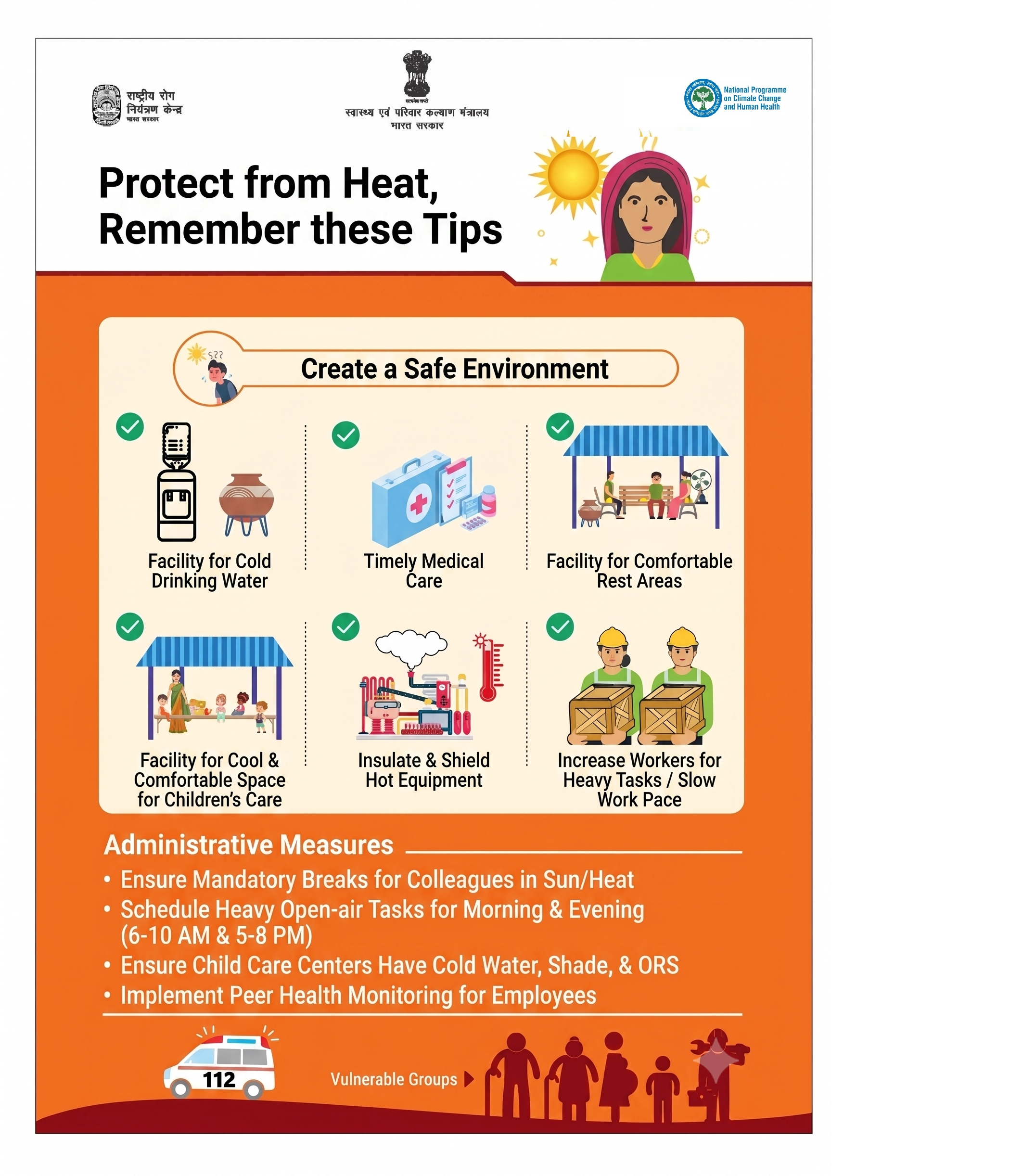
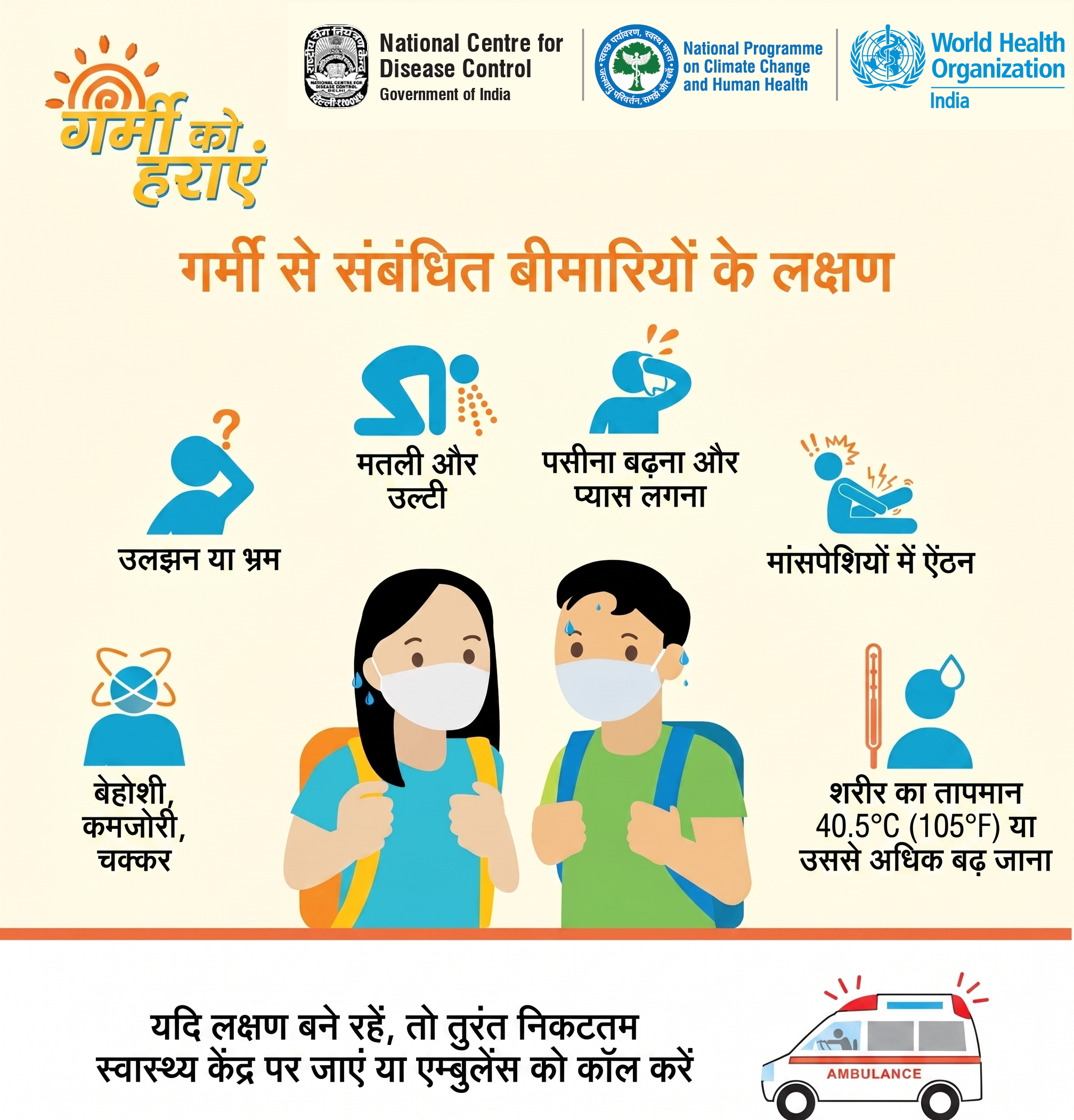
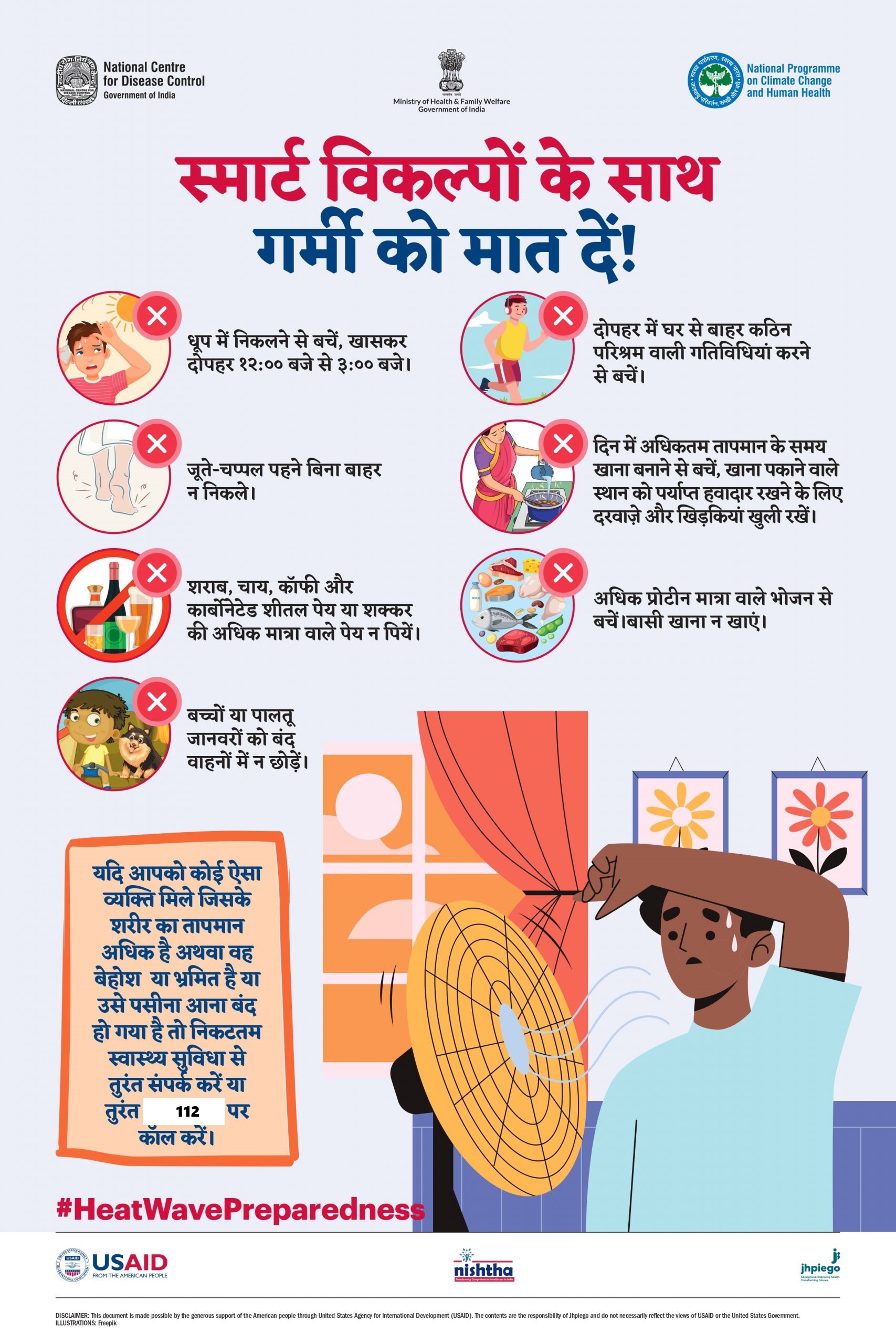
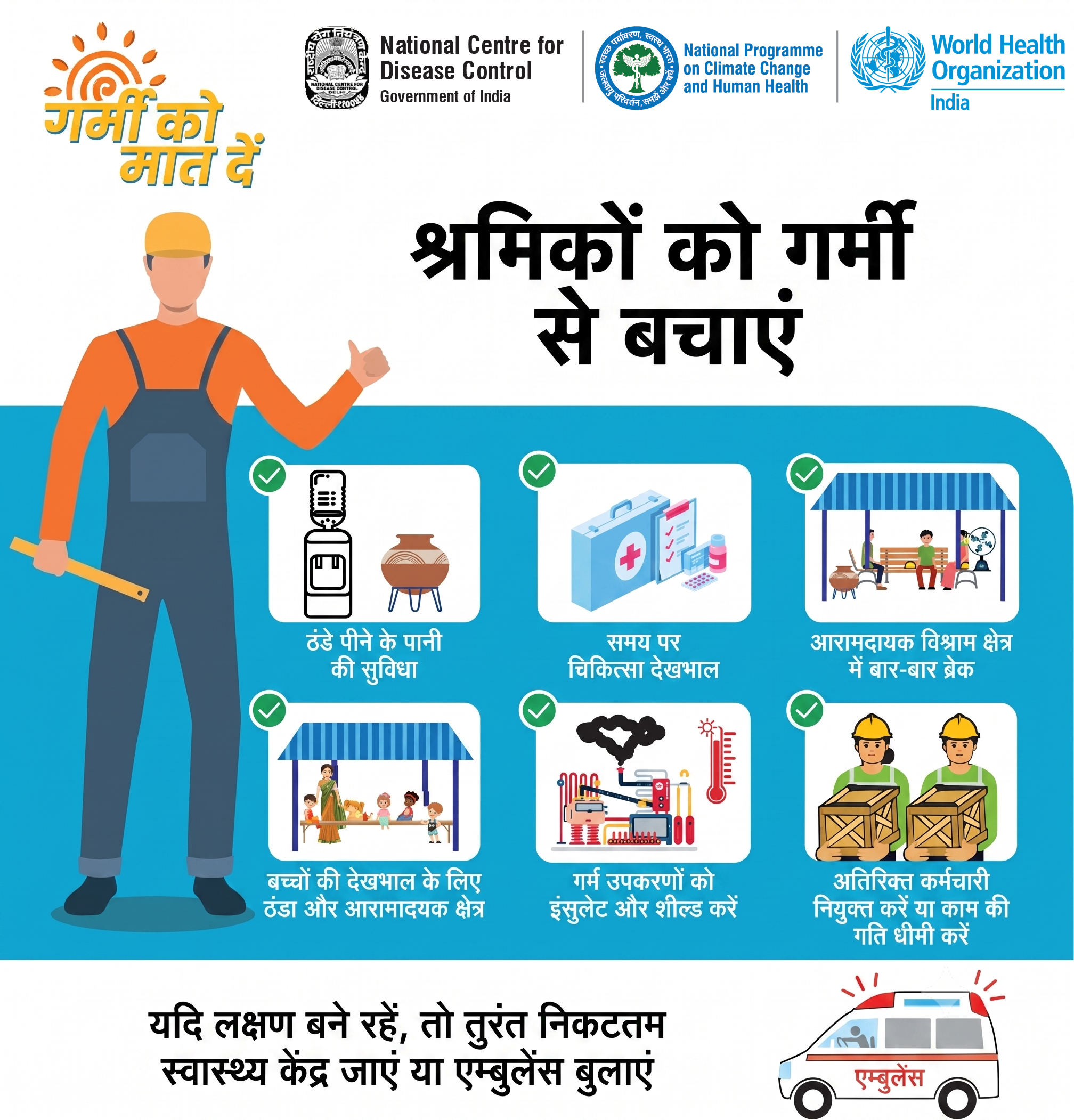
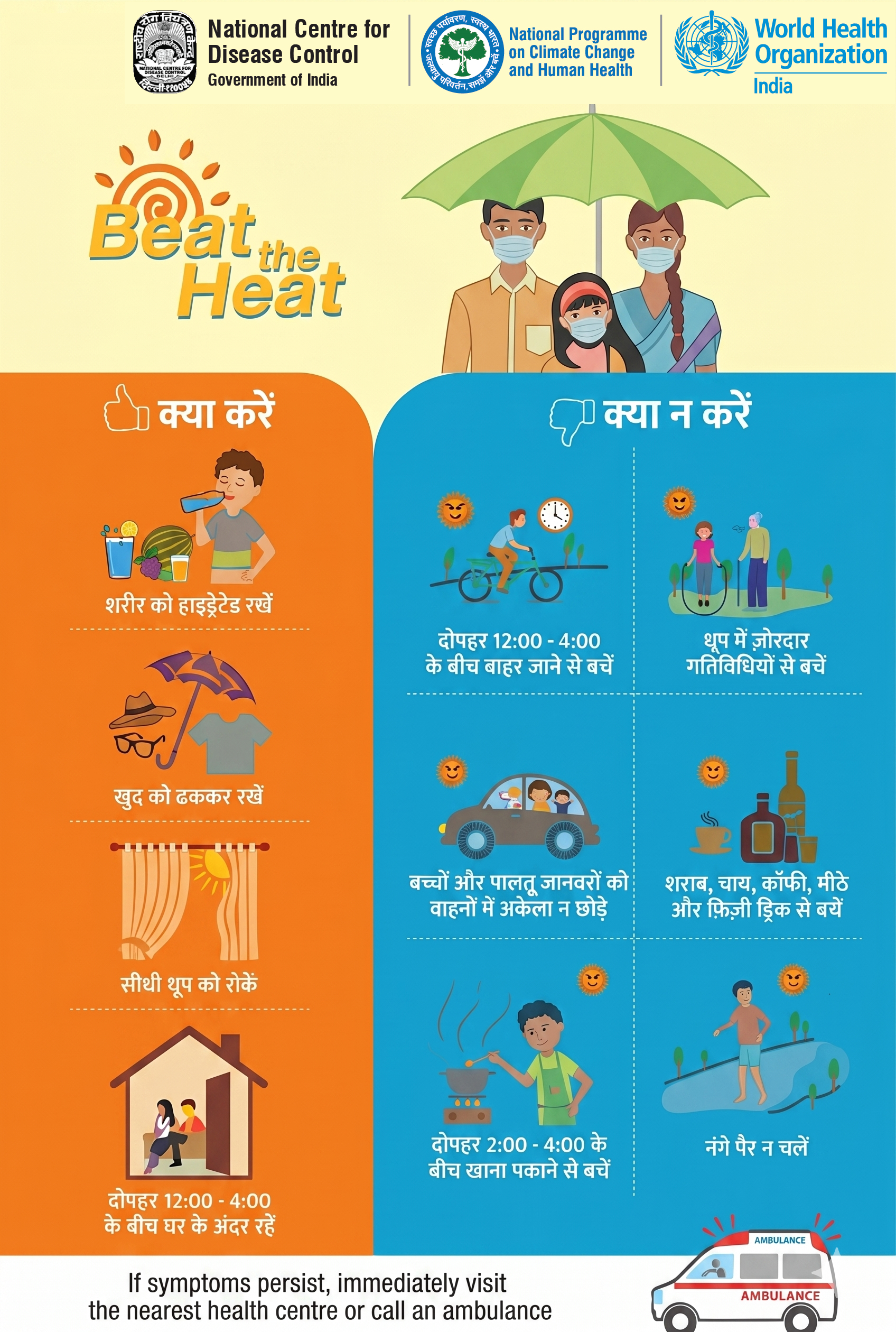
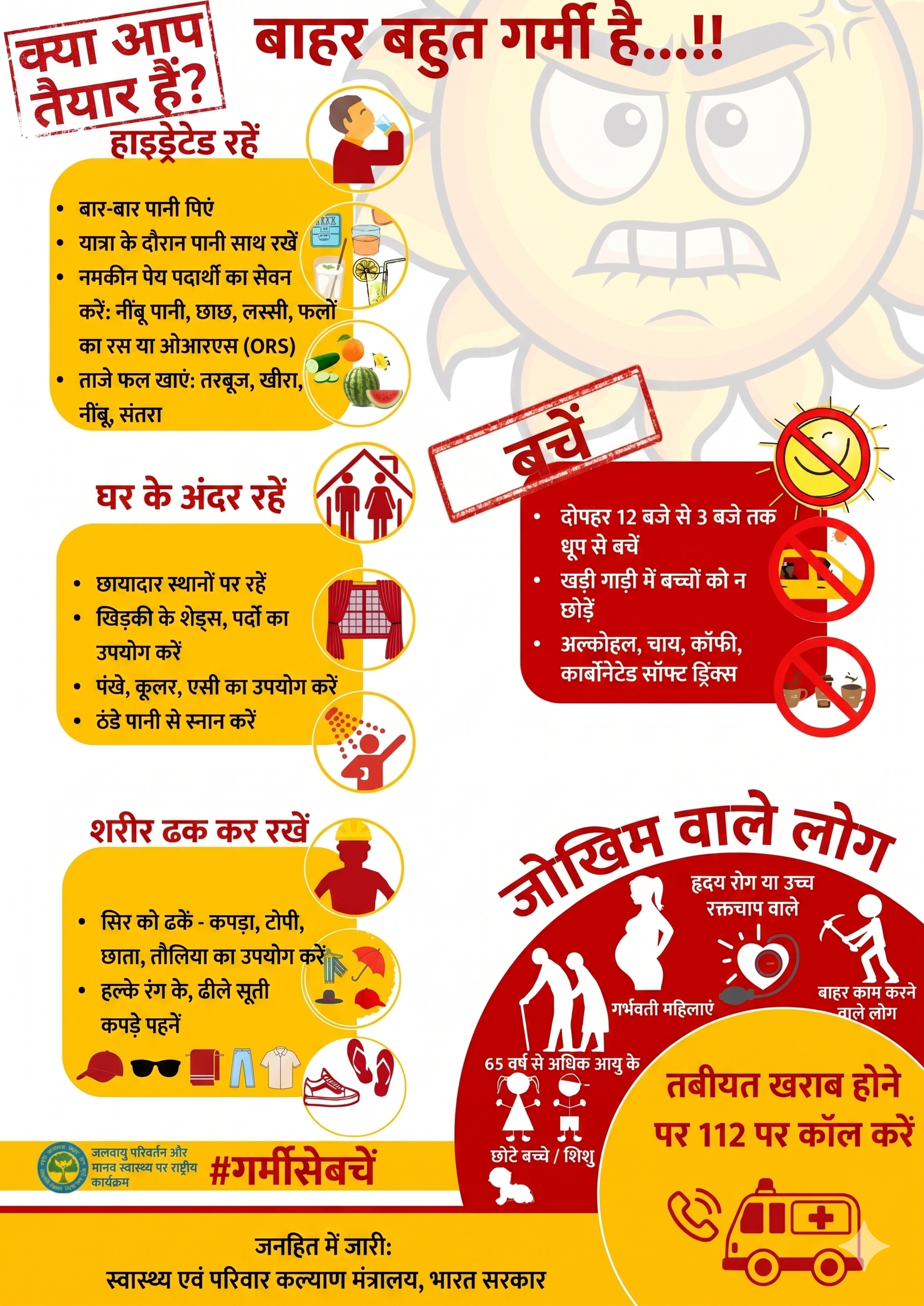
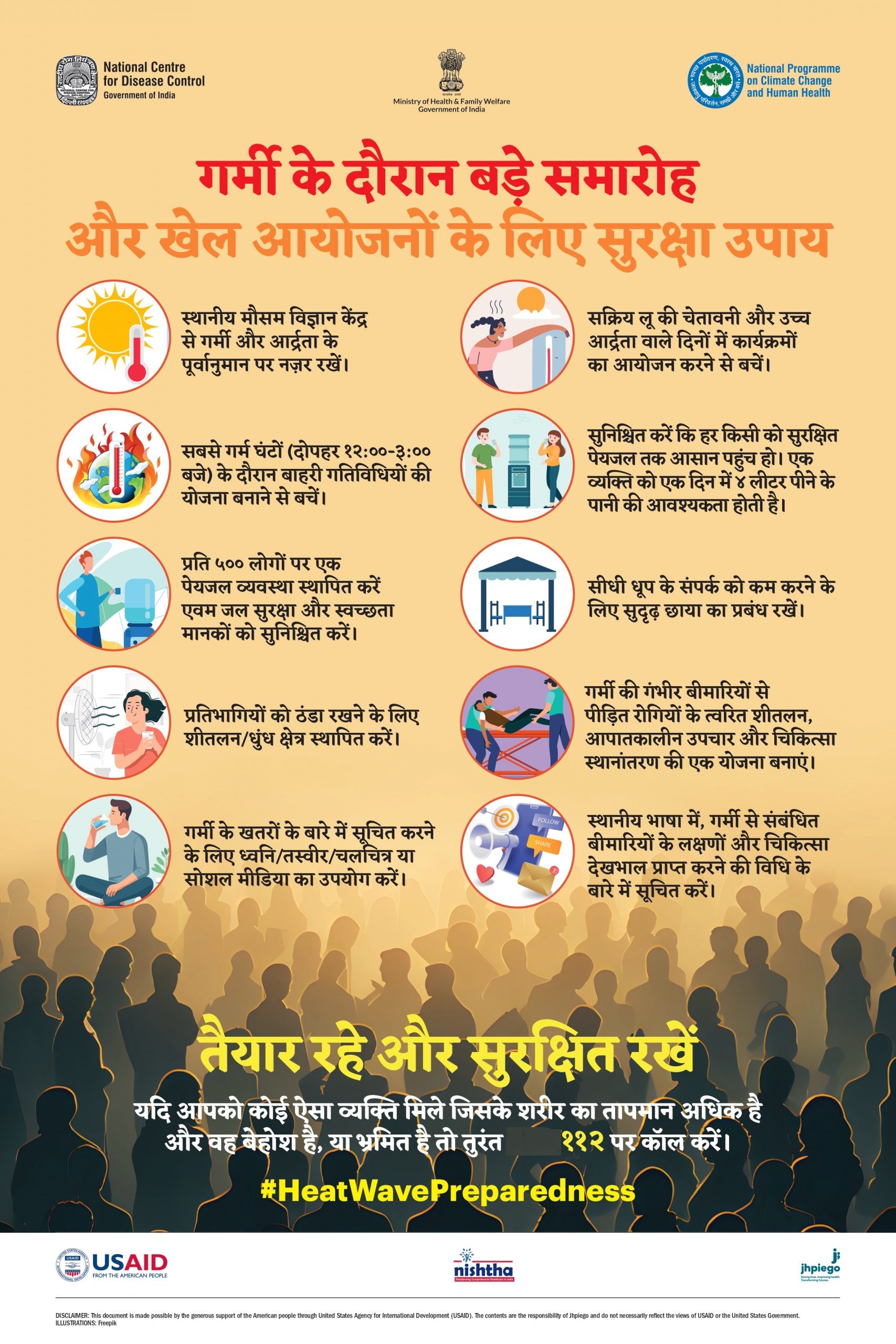
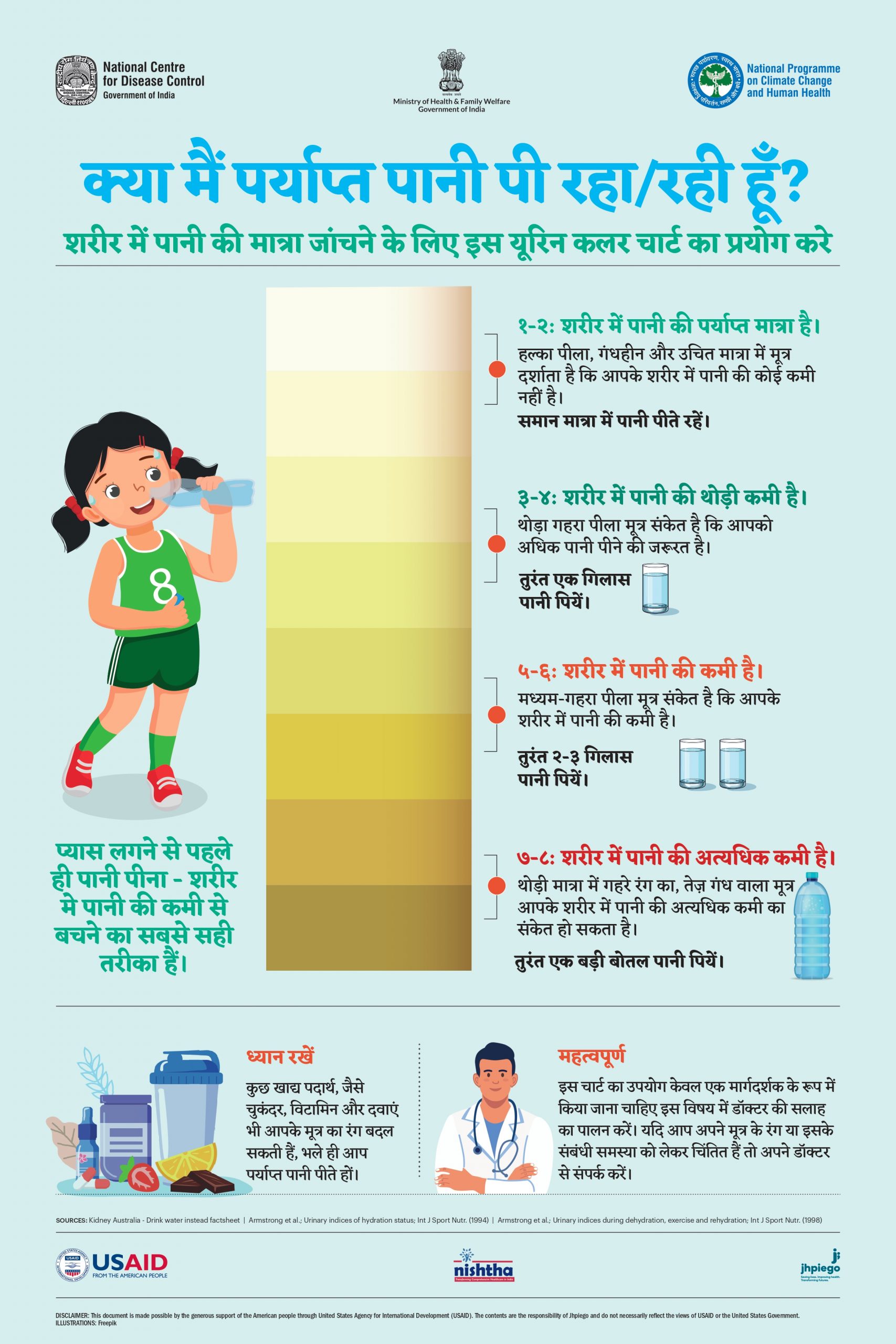
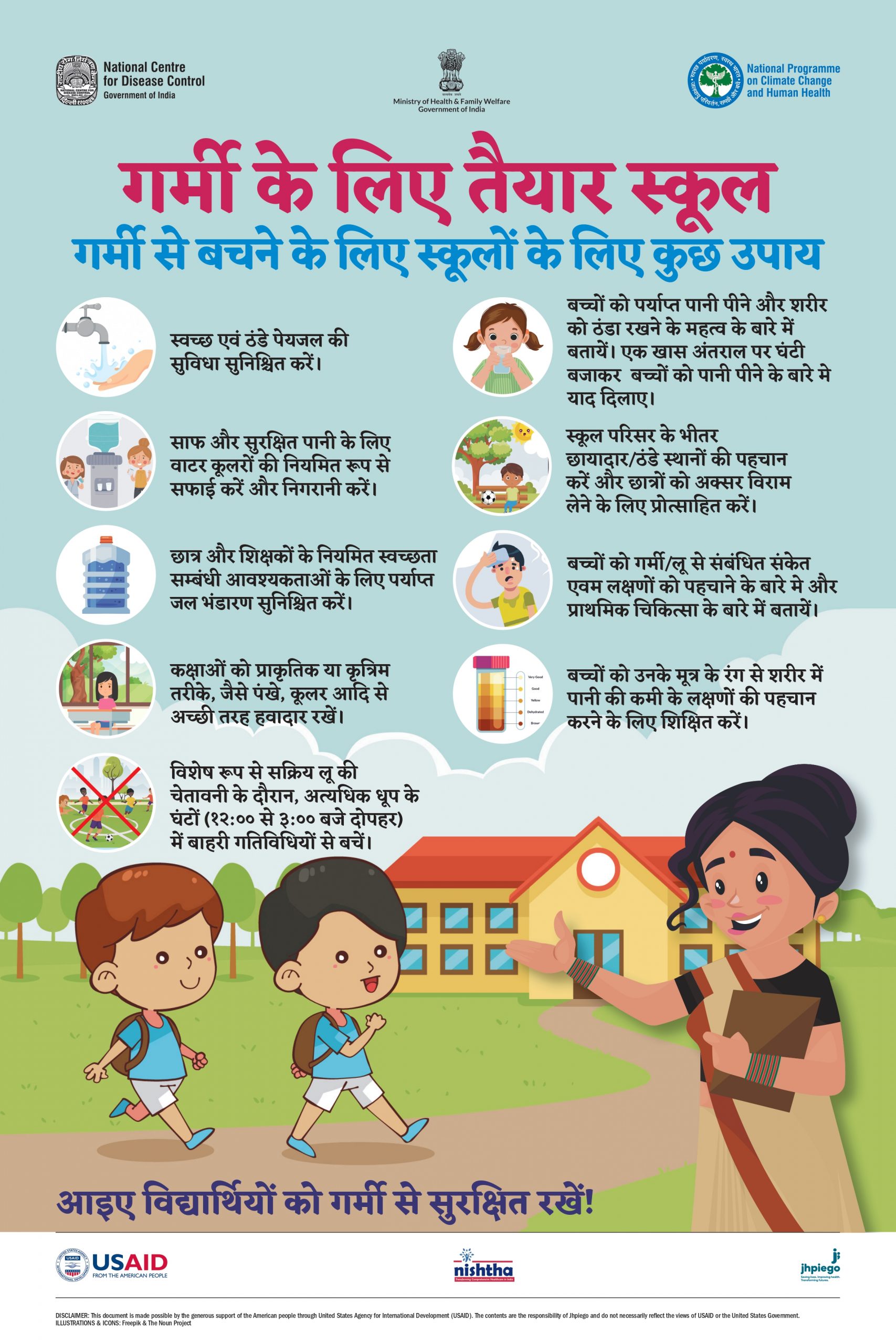
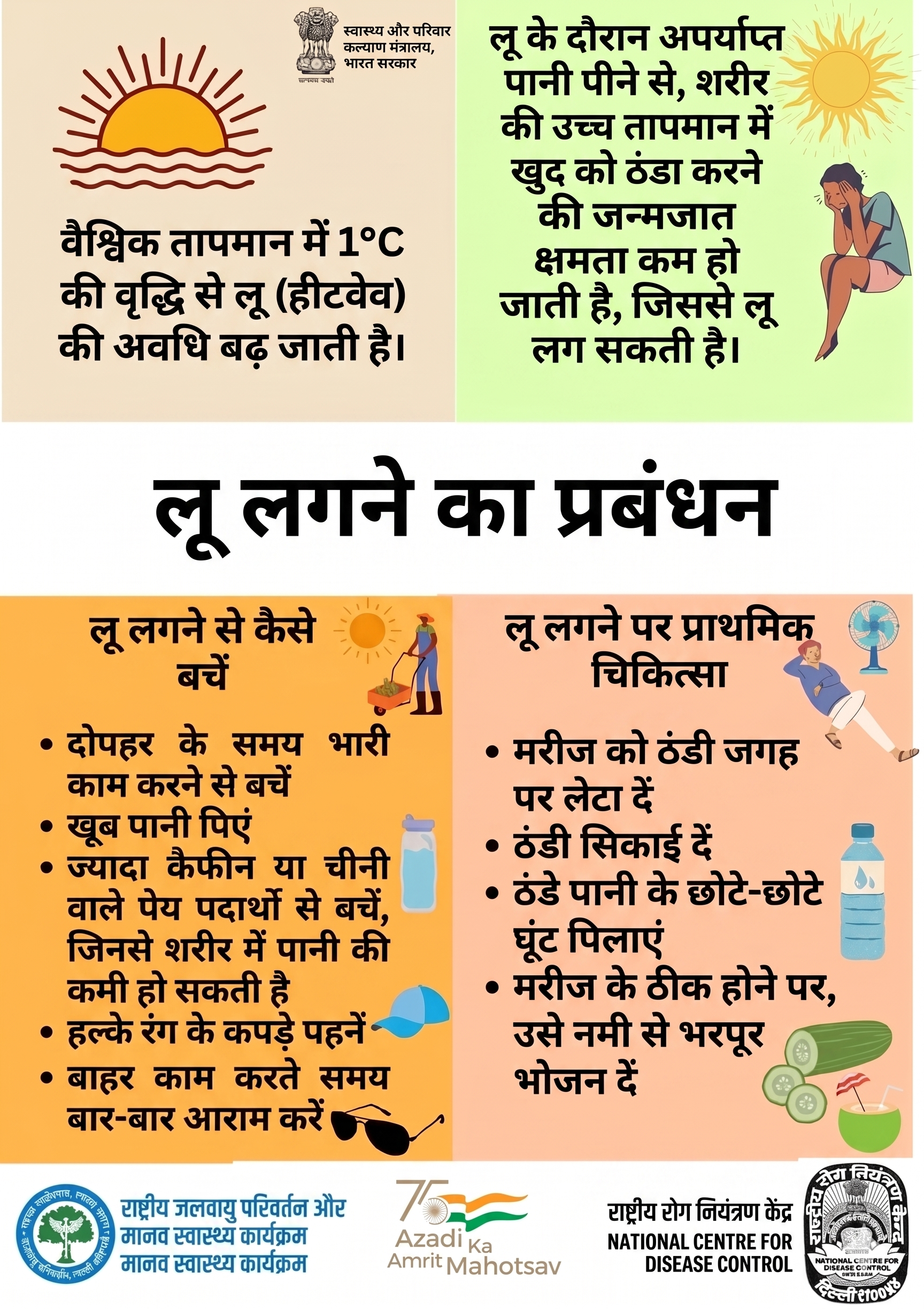
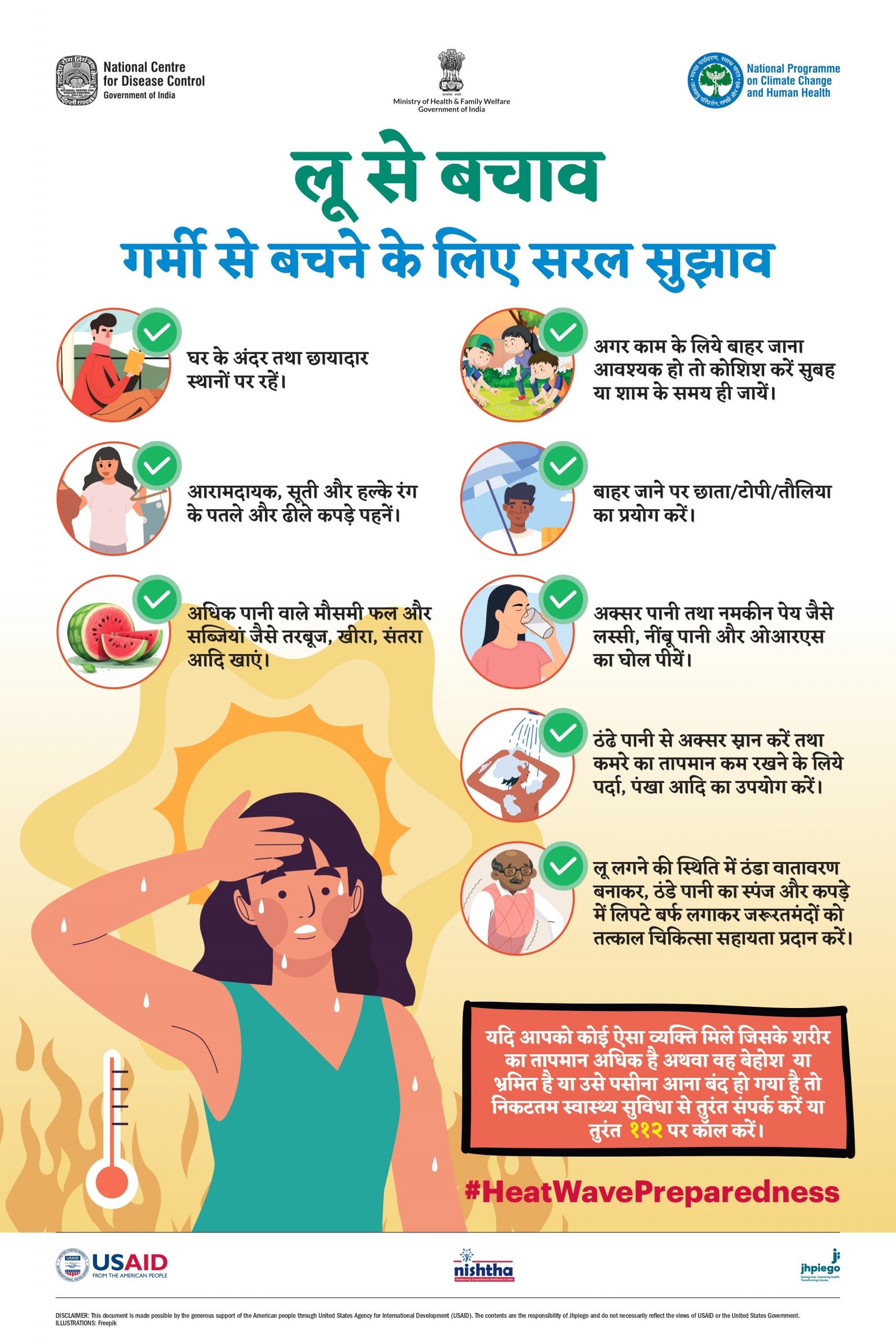
- Awareness posters focused do’s and don’ts for general population, children, outdoor workers, and during mass gatherings developed
- Seasonal public health advisories updated and released pre-summer annually
- Community-level training module used for community Health Officers and Frontline health workers to engage with Panchayati Raj Institutes, and others to spread awareness
- Campaign days observed Global Heat Action Day (June 2), World Environment Day (June 5)
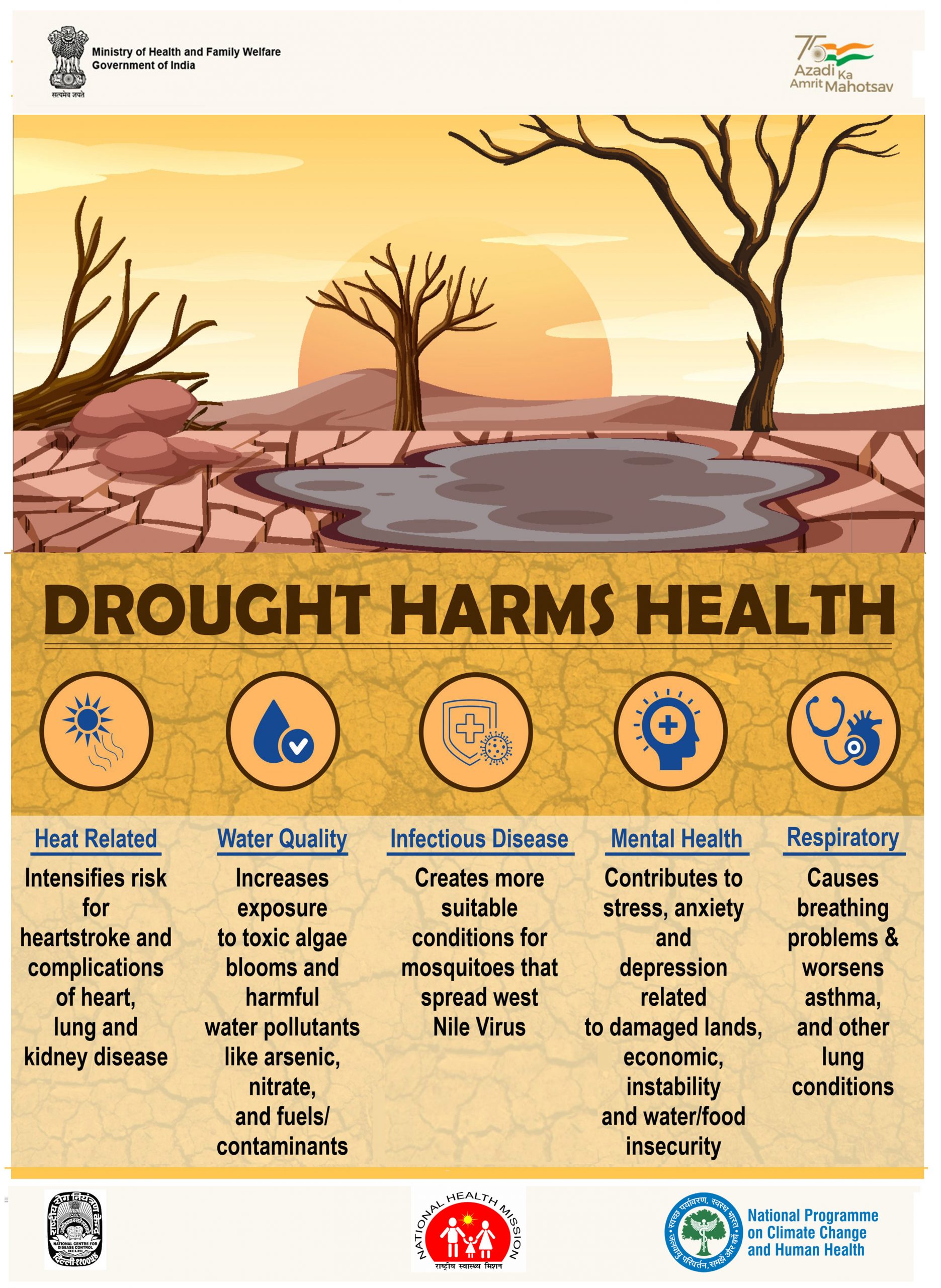
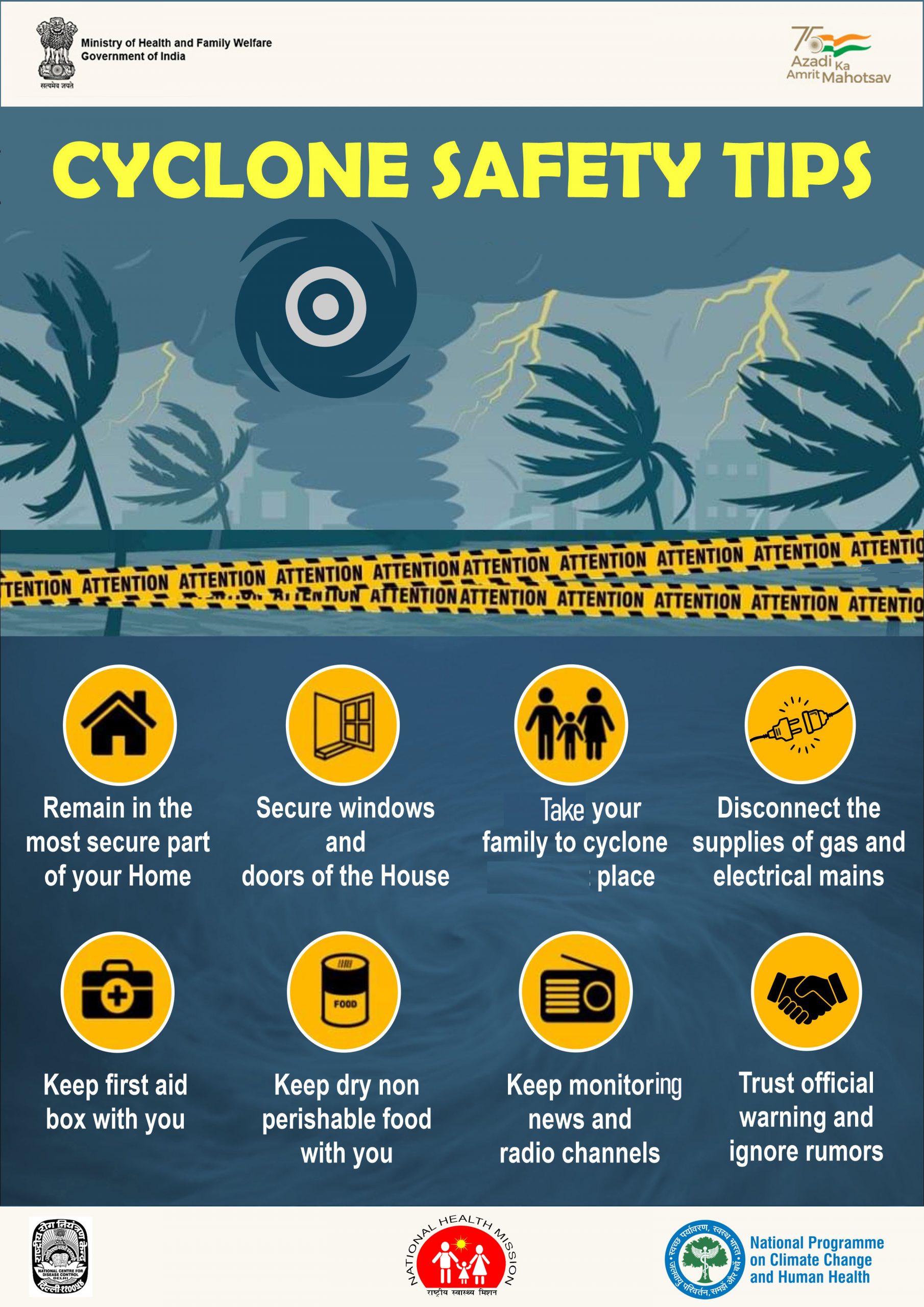
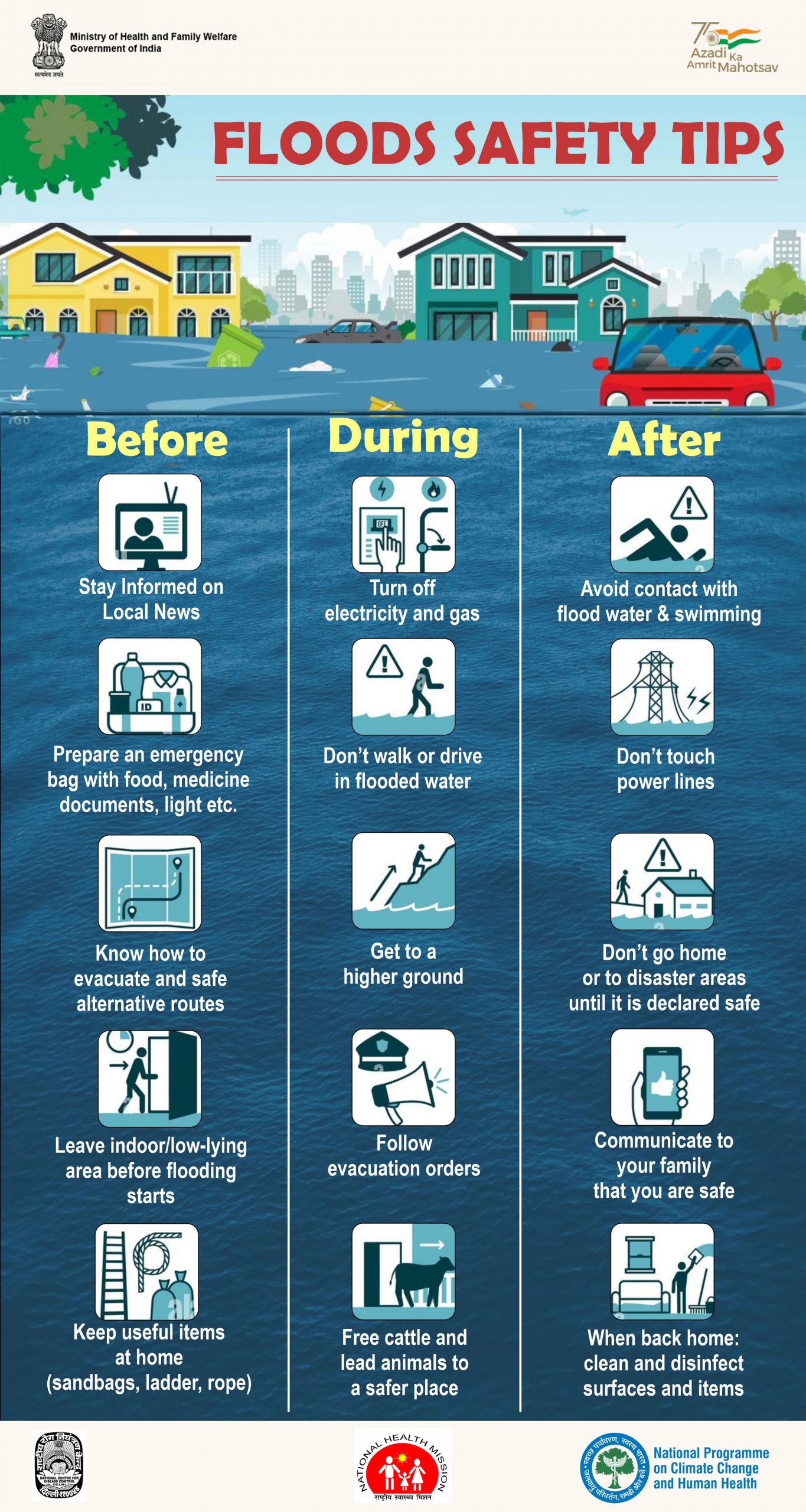
8. Thematic area: Extreme Weather Events related Health Issues
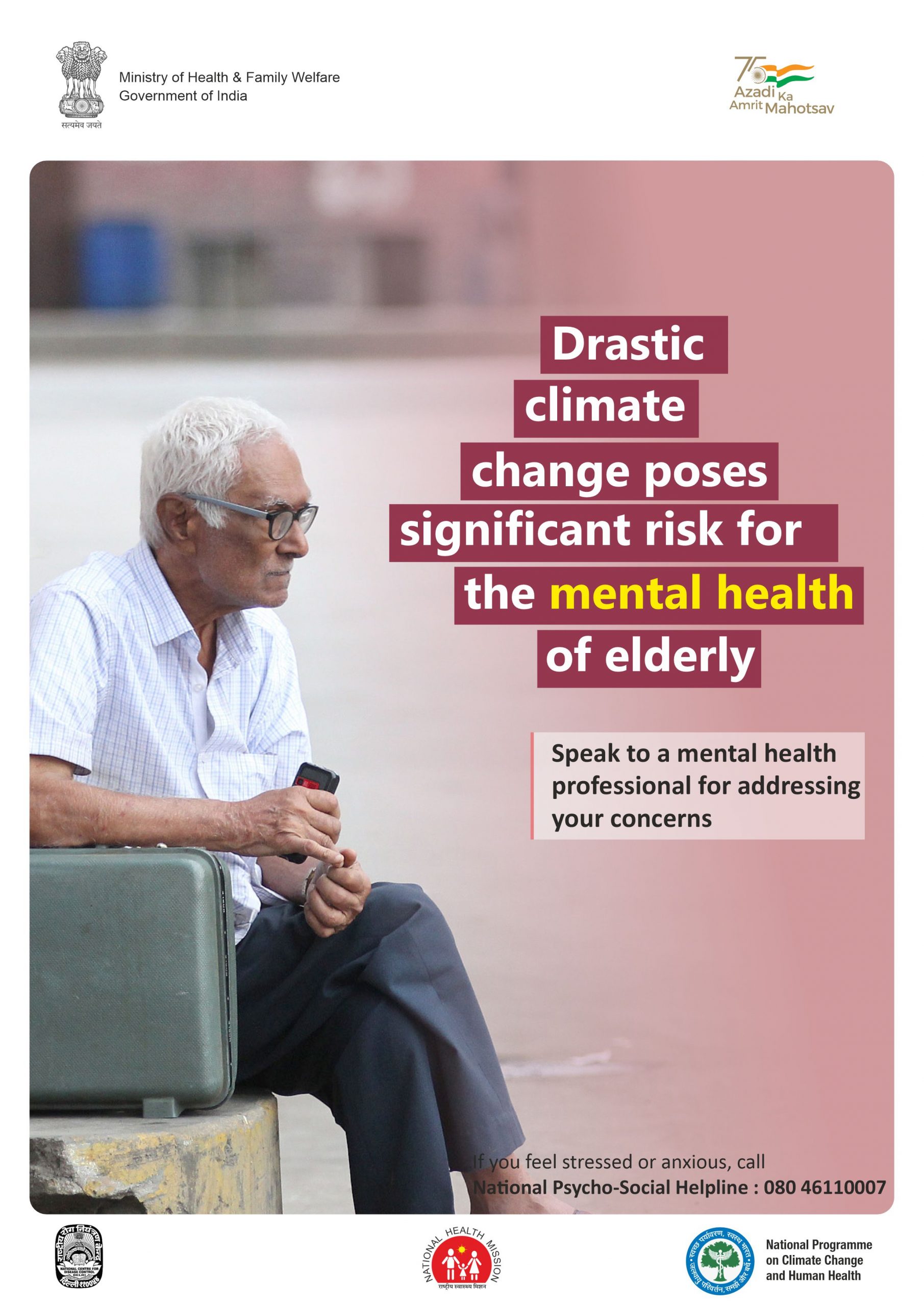
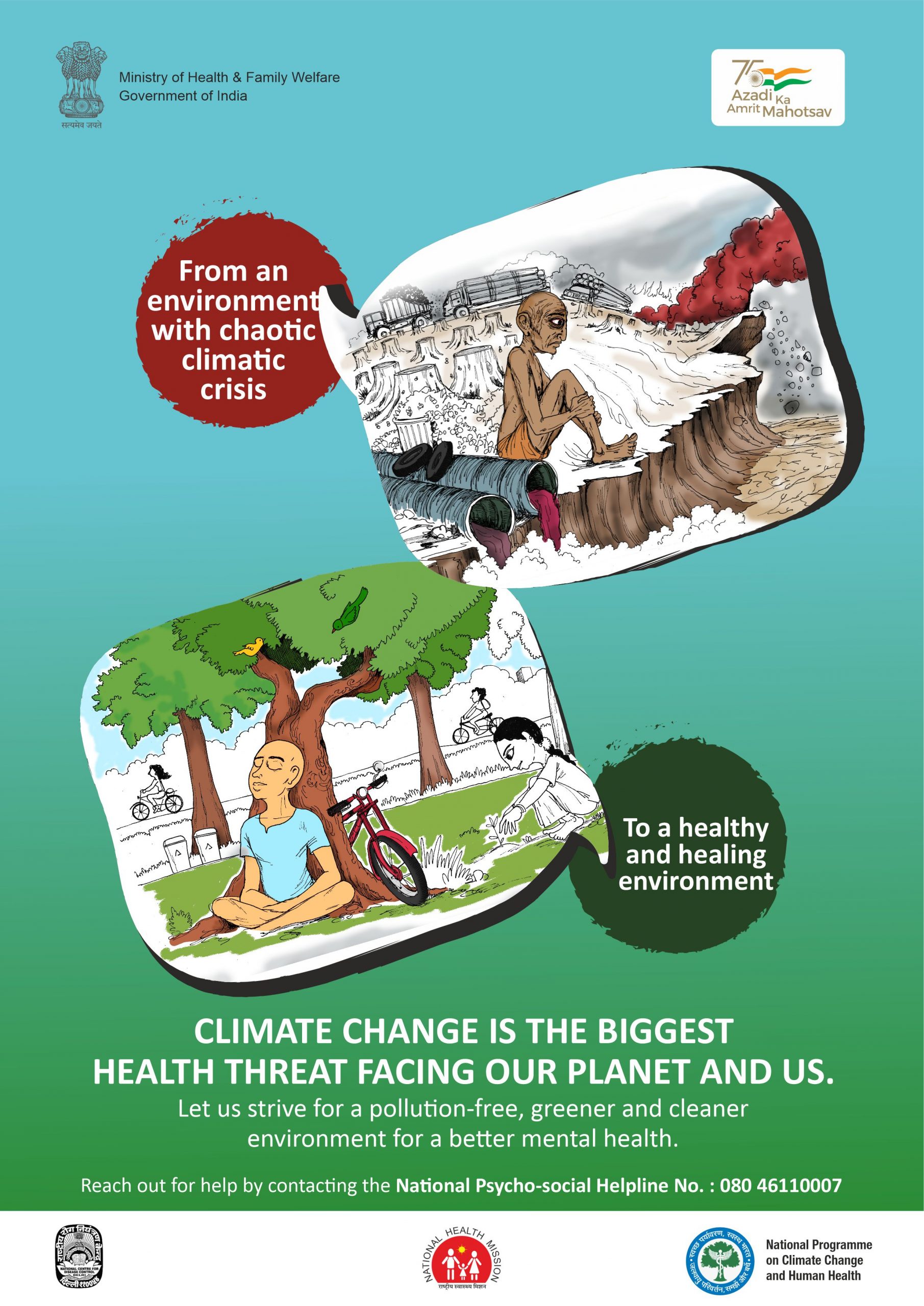
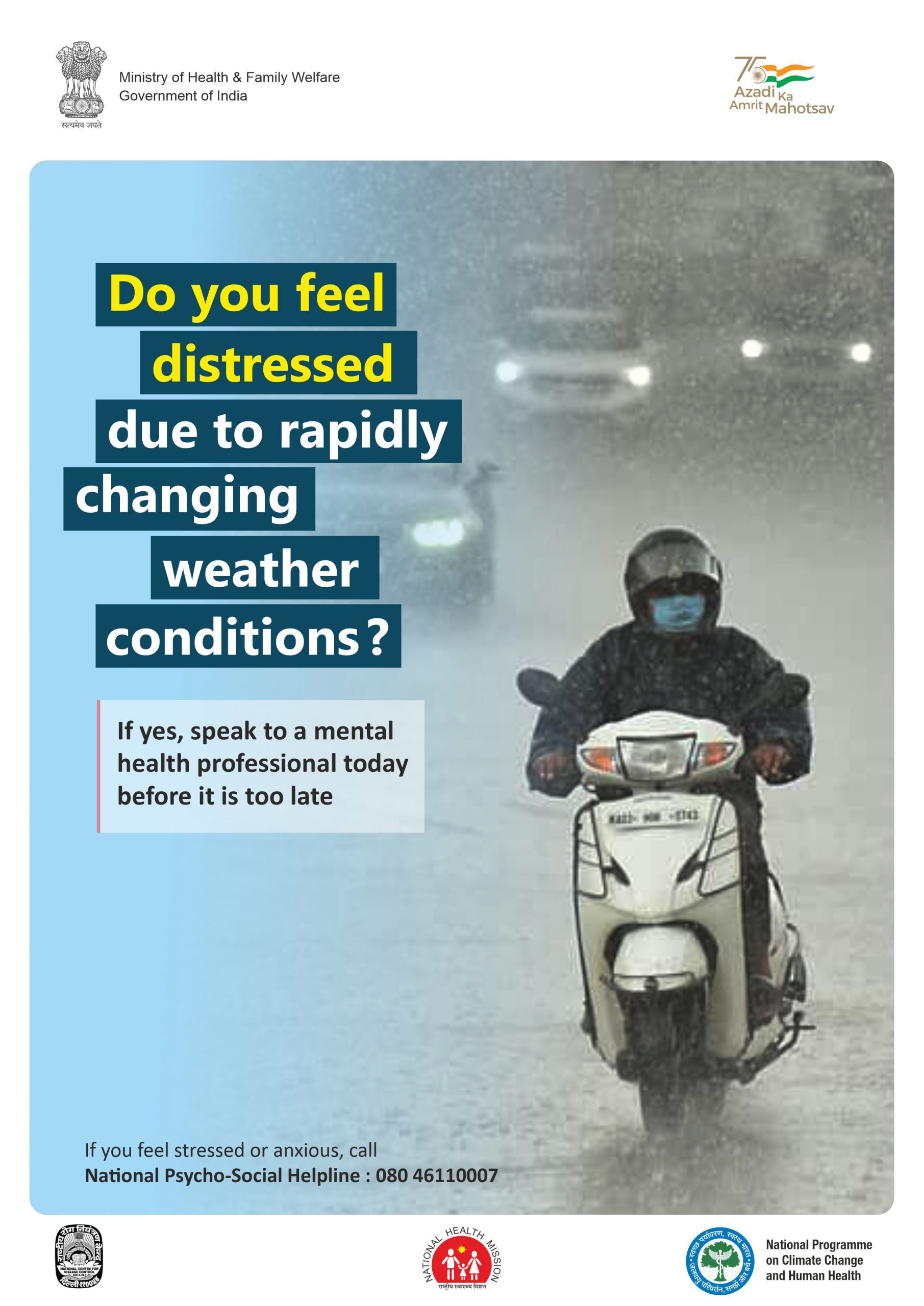
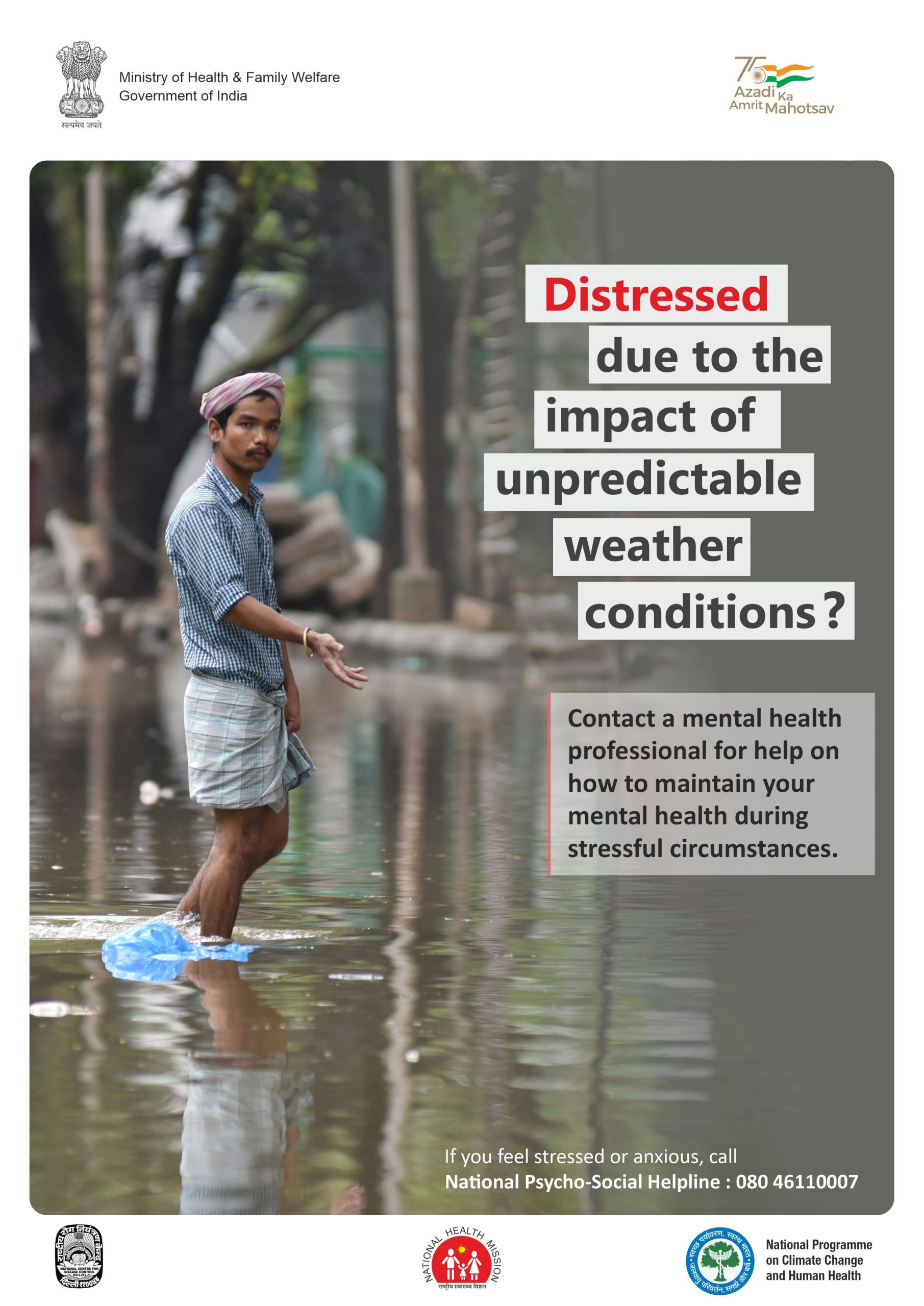
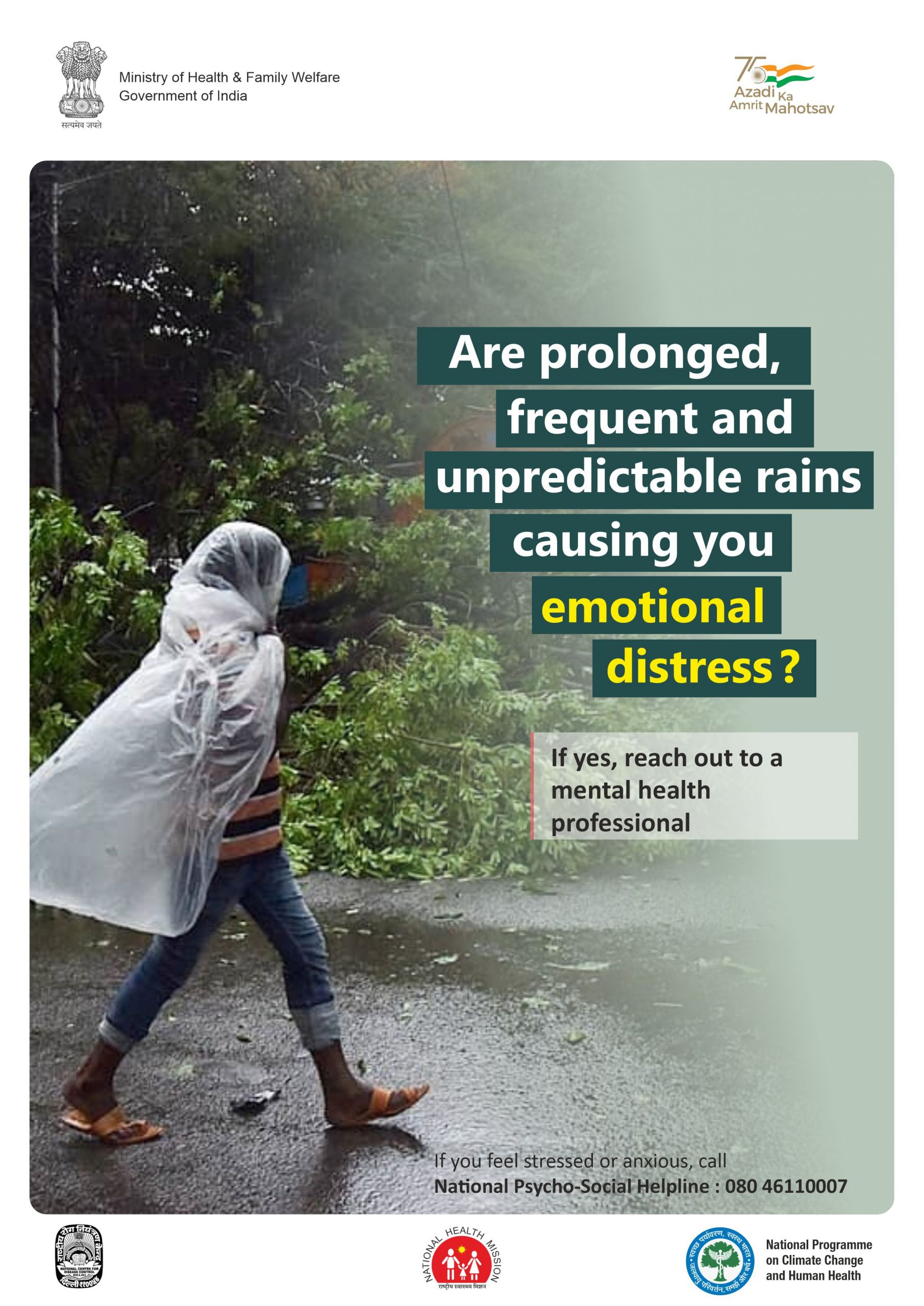
- Awareness posters developed
- Health impacts of extreme weather events incorporated in the Action Plan on Climate Change & Human Health for all states and UTs
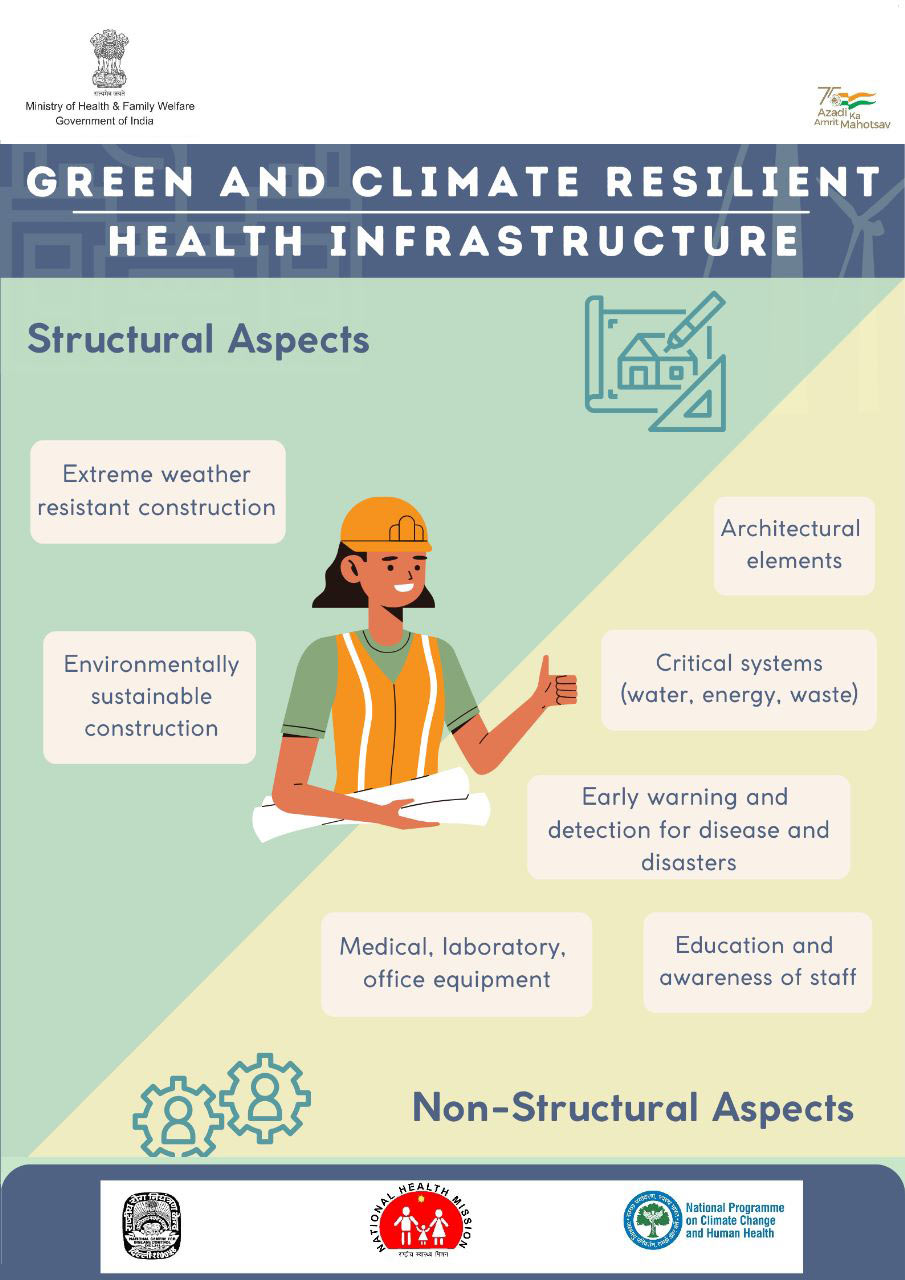
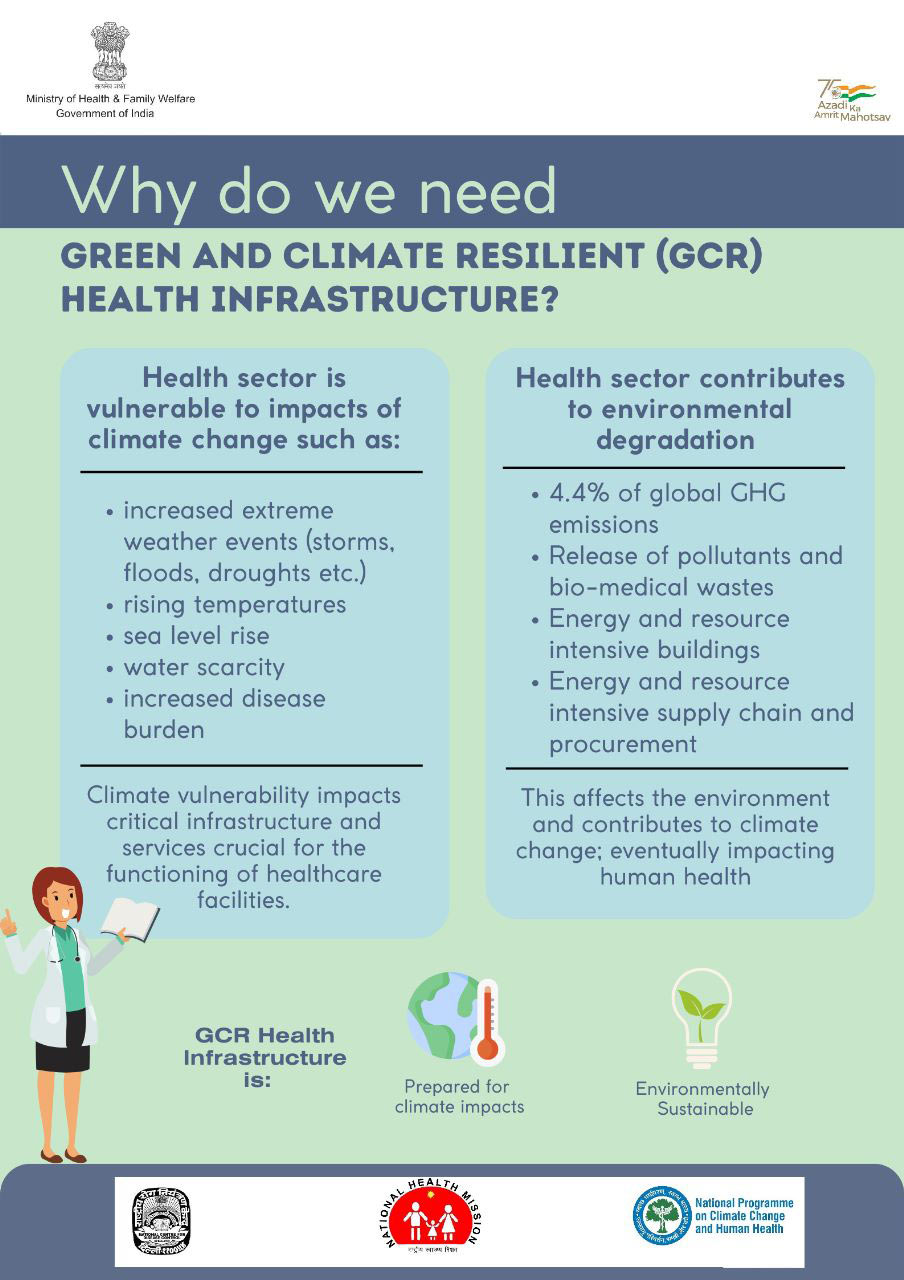
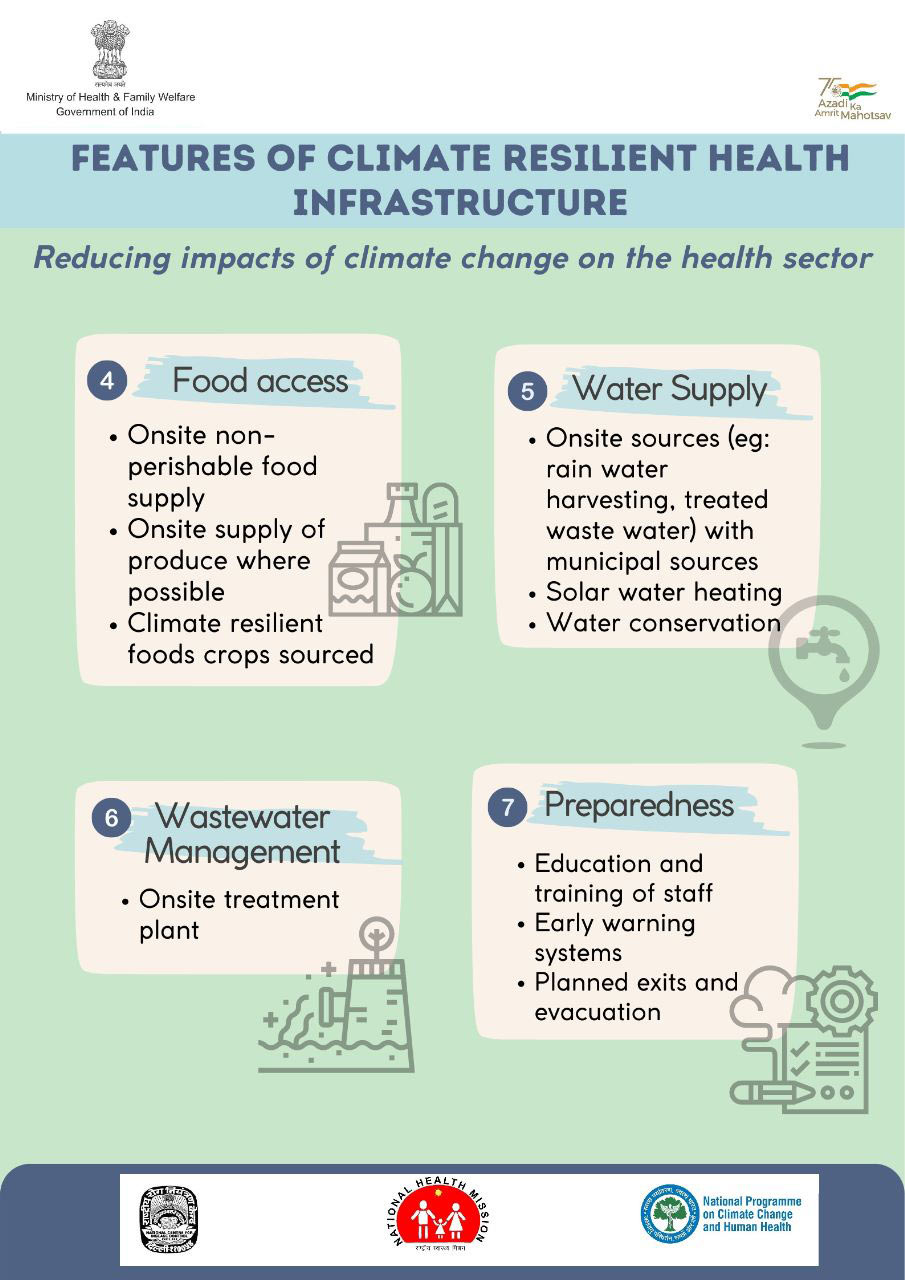
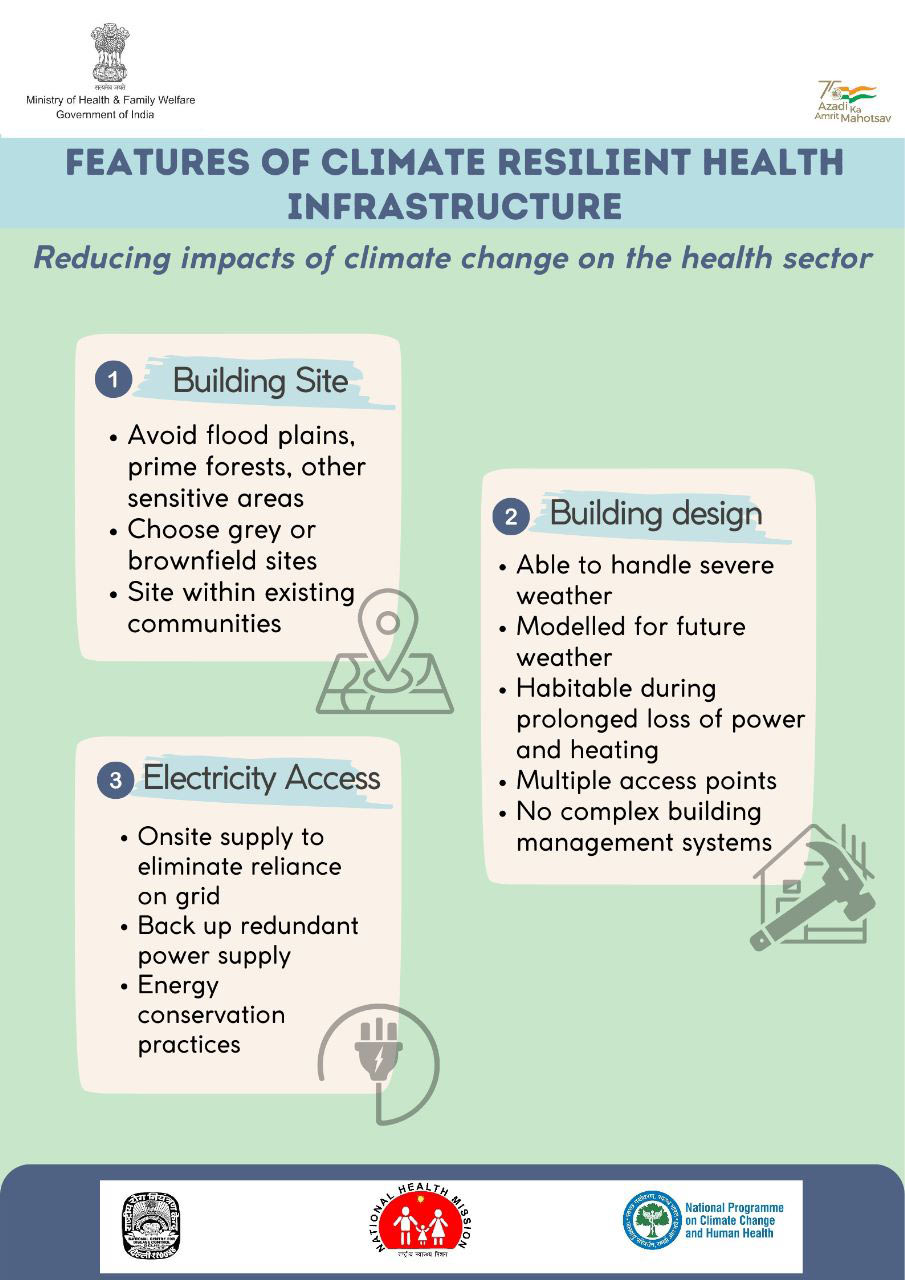
9. Thematic area: Green and Climate Resilient (GCR) Health System:
- Ongoing activities include improving energy efficiency, solarization, rainwater harvesting, and revision of norms for new facilities (IPHS 2022)
- Developed Guidelines for Green and Climate Resilient Healthcare Facilities (2023)
- Developed Guidelines for Solar Powering Healthcare Facilities (2023)
- Published a report: Towards Climate-Smart Hospitals: National Hospital Energy Consumption Survey (2023)
- Digital pre-solarization health facility assessment tool developed
- GCR component incorporated in the Action Plan on Climate Change & Human Health for all states and UTs
10. Inter-ministerial coordination
- Indian Meteorological Department: Dissemination of early warnings to last mile health facilities
- National Disaster Management Authority: Coordination for health component in Heat Action Plan and Extreme Weather Action Plans
- Ministry of Jal Shakti: Developed SOP for joint monitoring and response to water quality and diseases
















 & Your Health.jpg)

 और आपका स्वास्थ्य.png)
.jpg)
.jpg)
 हो सकता है.png)