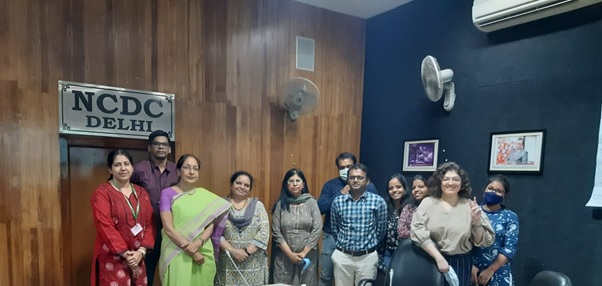
Centre for Arboviral And Zoonotic Diseases comprises of 9 National Reference Laboratory dealing with Zoonotic diseases of public health importance including outbreak prone and emerging infectious diseases. The role of the division is primarily to provide laboratory evidence by conducting special and reference level tests which are not available at most institutes or medical colleges in India. Currently the work is being carried out on the following Zoonotic diseases: Rickettsial diseases, Leptospirosis, Brucellosis, Lyme, Dengue, Chikungunya, Japanese Encephalitis, Rabies virus, Leishmaniasis(Kala-azar), Toxoplasmosis, Neurocysticercosis (T. solium), Echinococcus, Plague, Anthrax, etc. CAZD is also involved in Plague surveillance and preparedness assisted with Plague surveillance unit, NCDC Bengaluru Branch.
Jayaprakasam M, Chatterjee N, Chanda MM, Shahabuddin SM, Singhai M, Tiwari S, Panda S. Human anthrax in India in recent times: A systematic review & risk mapping. One Health. Volume 16, June 2023, 100564. https://doi.org/10.1016/j.onehlt.2023.100564
Goyal R, Singhai M, Mahmood T, Saxena V. Association between the physical activity and metabolic syndrome in residents of a foot-hill area in India. Diabetes Metab Syndr. 2022 Mar 23;16(4):102471. doi: 10.1016/j.dsx.2022.102471
Agrawal SJ, Goyal R, Singhai M. Breakthrough Infections and Omicron Variant: Dealing with the Dilemma. Indian J Med Biochem 2021; 25 (3):0-0.
Singhai, M.; Sood, V.; Singh, G.; Siddiqui, C.; Nale, T.; Jha, P.; Yadav, P.; Jaiswal, R.; Bala, M.; Singh, S.K.; Tiwari, S. Rabies Outbreak in the Urban Area of Delhi: An Investigation Report and One Health Perspective for Outbreak Management. Infect. Dis. Rep. 2022, 14, 1033-1040.
Singhai M, Sood V, Yadav P, Kumar KK, Jaiswal R, Madabhushi S, Dhull P, Bala M, Singh SK, Tiwari S. Intravitam Diagnosis of Rabies in Patients with Acute Encephalitis: A Study of Two Cases. Infect Dis Rep. 2022 Nov 29;14(6):967-970. doi: 10.3390/idr14060095. PMID: 36547241; PMCID: PMC9778139.
Singhai, M., Shah, Y. D., Gupta, N., Bala, M., Kulsange, S., Kataria, J., & Singh, S. K. (2021). Chronicle down memory lane: India’s sixty years of plague experience. Indian Journal of Medical Microbiology.
Singhai M, Jaiswal R, Siddiqui C, Tiwari S, Gupta N, Bala M, Singh SK. Rabies can be a disease of puppyhood. J Family Med Prim Care. 2022 Jun;11(6):3339-3341. doi: 10.4103/jfmpc.jfmpc_1605_21. Epub 2022 Jun 30. PMID: 36119256; PMCID: PMC9480633.
Arora, R., Goel, R., Singhai, M., Gupta, N., & Saxena, S. (2021). Rabies Antigen Detection in Postmortem Cornea. Cornea, 40(5), e10-e11.
Singhai, M., Dhariwal, A. C., Gupta, N., Goswami, S., & Singh, S. K. (2020). An Observational Study of JE Cases Detected in National Centre for Disease Control from January 2017 to December 2019. Journal of Communicable Diseases (E-ISSN: 2581-351X & P-ISSN: 0019-5138), 52(4), 12-16.
Gupta, N., Singhai, M., Garg, S., Shah, D., Sood, V., & Singh, S. K. (2020). The missing pieces in the jigsaw and need for cohesive research amidst coronavirus infectious disease 2019 global response. medical journal armed forces india, 76(2), 132-135.
Jaiswal¹, R., Chhabra, M., Singh, P., Gupta, N., Singhai, M., Dhariwal, A. C., & Tripathi, P. (2018). Molecular Epidemiology and Sequence Analysis of Rabies Virus Isolates from North and North East India. Journal of Communicable Diseases, 50(4), 4
Singh, G., Chhabra, M., Singh, P., Gupta, N. K., Singhai, M., Dhariwal, A. C., & Ram, S. (2018). Molecular Study of Glycoprotein (G) Gene Region of Rabies Virus from Spotted Deer, Delhi, India. Journal of Communicable Diseases, 50(3), 3.
Singh, G., Jaiswal, R., Chhabra, M., Sood, Y., Gupta, N., Singhai, M., Tiwari, S., Dhariwal, A.C., Sharma, R. and Ram10, S. (2017). Evaluation of Direct Rapid Immunohistochemistry Test (DRIT) for Postmortem Diagnosis of Rabies. Journal of Communicable Diseases, 49(3), 3
Rawat, V., Kumar, A., Kumar, M., Singhai, M., Rawat, C. M. S., & Jha, S. K. (2016). Viral Hepatitis A and E Outbreaks in Kumaon Region of Uttarakhand. National Academy Science Letters, 39(1), 17-19.
Singhai, M., Rawat, V., Singh, P., & Goyal, R. (2016). Fatal case report of concomitant hepatitis E and Salmonella paratyphi A infection in a sub-Himalayan patient. Annals of Tropical Medicine & Public Health, 9(1)
Malik, Y. P. S., Kumar, N., Rawat, V., Sharma, K., Kumar, A., Singhai, M., & Kumar, M. (2015). Detection and distribution pattern of prevalent genotypes of hepatitis-C virus among chronic hepatitis patients from Kumaon region of Uttarakhand, India. Indian journal of medical microbiology, 33, 161.
Mittal, V., Chhabra, M., & Venkatesh, S. (2015). Ebola virus-an Indian perspective. The Indian Journal of Pediatrics, 82(3), 207-209
Sharma, P., Mittal, V., Chhabra, M., Singh, P., Bhattacharya, D., & Venkatesh, S. (2014). Dominance shift of DENV-1 towards reemergence and co-dominant circulation of DENV-2 & DENV-3 during post-monsoon period of 2012 in Delhi, India. Journal of Virology and Retrovirology, 1(1), 104.
Shrivastava, A., et al (2015). Outbreaks of unexplained neurologic illness—Muzaffarpur, India, 2013–2014. MMWR. Morbidity and mortality weekly report, 64(3), 49.
Sharma, P., Mittal, V., Chhabra, M., Kumari, R., Singh, P., & Venkatesh, S. (2016). Molecular epidemiology and evolutionary analysis of dengue virus type 2, circulating in Delhi, India. Virusdisease, 27(4), 400-404.
Singh, P., Chhabra, M., Sharma, P., Jaiswal, R., Singh, G., Mittal, V., Rai, A. and Venkatesh, S. (2016). Molecular epidemiology of Crimean-Congo haemorrhagic fever virus in India. Epidemiology & Infection, 144(16), 3422-3425.
Singh, P., Sharma, P., Kumar, S., Chhabra, M., Rizvi, M.A., Mittal, V., Bhattacharya, D., Venkatesh, S. and Rai, A. (2016). Continued persistence of ECSA genotype with replacement of K211E in E1 gene of Chikungunya virus in Delhi from 2010 to 2014. Asian Pacific Journal of Tropical Disease, 6(7), 564-566.
Thakur, R., Kumar, Y., Singh, V., Gupta, N., Vaish, V. B., & Gupta, S. (2016). Serogroup distribution, antibiogram patterns & prevalence of ESBL production in Escherichia coli. The Indian journal of medical research, 143(4), 521.
Kumar, Y., Gupta, N., Vaish, V. B., & Gupta, S. (2016). Distribution trends & antibiogram pattern of Salmonella enterica serovar Newport in India. The Indian journal of medical research, 144(1), 82.
 ZDPHI Manual 2025
National Guidelines for Rabies Post Exposure Prophylaxis 2019
Guidelines for Leptospirosis (Diagnosis, Management & Control)
Glanders
Kyasanur Forest Disease: A Public Health Concern
Melioidosis
Scrub Typhus
Zika Virus Disease
ZDPHI Manual 2025
National Guidelines for Rabies Post Exposure Prophylaxis 2019
Guidelines for Leptospirosis (Diagnosis, Management & Control)
Glanders
Kyasanur Forest Disease: A Public Health Concern
Melioidosis
Scrub Typhus
Zika Virus Disease
| Sr. No | Lab/Unit name: |
|---|---|
| 1. | Plague/Anthrax Laboratory |
| 2. | Leishmania/Toxoplasma/ Cysticercosis/ Hydatid Laboratory |
| 3. | Arbovirus Laboratory (Dengue/Chikungunya/Japanese Encephalitis) |
| 4. | Leptospira/Brucella Laboratory |
| 5. | Rickettsia Laboratory /Borrellia Laboratory |
| 6. | Rabies Laboratory |
| 7. | Molecular Laboratory |
| 8. | Tissue Culture Laboratory |
| 9. | Quality control and Quality assurance |
| 10. | Central Plague Surveillance Unit |
| S.no | Disease | Name of the test | Turn Around Time * | Sample referral form(link) |
|---|---|---|---|---|
| 1. | Rickettsial diseases | Weil Felix test-OX2, OX19,OXK | 5-7 working days | Link for Rickettsial Diseases (Scrub Typhus) |
| IgM ELISA for Scrub typhus | 5-7 working days | |||
| IgG ELISA for Scrub Typhus | 5-7 working days | |||
| 2. | Leptospirosis | IgM ELISA | 5-7 working days | Link of Leptospira |
| IgG ELISA | 5-7 working days | |||
| 3. | Brucellosis | IgM ELISA |
5-7 working days | Link for Brucella |
| IgG ELISA | 5-7 working days | |||
| SAT for B. abortus | 5-7 working days | |||
| SAT for B. melitensis | 5-7 working days | |||
| 4. | Lyme | IgM ELISA | 14-21 working days | Link for lyme |
| 5. | Dengue | IgM ELISA | 5-7 working days | Link for Dengue |
| IgG ELISA | 5-7 working days | |||
| NS1 ELISA | 5-7 working days | |||
| PCR for Dengue | 7-10 working days | |||
| 6. | Chikungunya | IgM ELISA | 5-7 working days | Link of Chikungunya |
| 7. | Japanese Encephalitis | IgM ELISA | 5-7 working days | Link for JE |
| PCR for JE | 7-10 working days | |||
| 8. | Rabies virus | IgG ELISA Rabies antibody detection in Human serum/plasma |
Only on Request, may be referred to division directly | Link for Antibody Titre (Human) |
| IgG ELISA Rabies antibody detection in animal (dogs/cats) serum and plasma | Only on Request | Link for Antibody Titre (Animal) | ||
| FAT for postmortem human/animal samples | Only on Request |
Link for FAT for postmortem human
Link for Postmortem Animal Sample |
||
| PCR for Rabies of human/animal samples | Only on Request |
Link for PCR Human suspected sample
Link for PCR Animal Sample |
||
| 9. | Leishmaniasis(Kala-azar) | rK 39 RDT | 2 working days | Link for Leishmaniasis/Kala-Azar |
| Culture – Schneider medium | 21 working days | |||
| Bone marrow/liver/ spleen/ LN aspirate Staining for LD bodies | 2 working days | |||
| PCR for Leishmania donovani | 7-10 working days (On Request) | |||
| 10. | Toxoplasmosis | IgM ELISA | 5-7 working days | Link for Toxoplasma |
| IgG ELISA | 5-7 working days | |||
| IgG Avidity ELISA | 5-7 working days | |||
| 11. | Neurocysticercosis (T. solium) | IgG ELISA | 5-7 working days | Link for Cysticercosis |
| 12. | Echinococcus (Hydatid Disease) | IgG ELISA | 5-7 working days | Link for Echinococcus/Hydatid Disease |
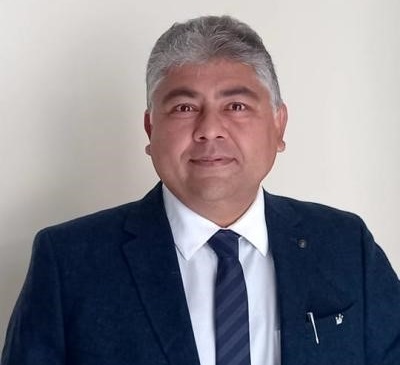
MBBS (UCMS, Delhi), MD Medical Microbiology (MAMC, Delhi), Fellowship Infectious Diseases (PDHNH, Mumbai), MBA (Hospital & Healthcare Management), Adv
Additional Director & Head of the Department
drnaveen.gupta@gov.in

MBBS, MD (Microbiology)
Joint Director & Officer-In-Charge
aarti.tewari@gov.in

MBBS, MD(Microbiology)
Joint Director
shubha.garg@ncdc.gov.in
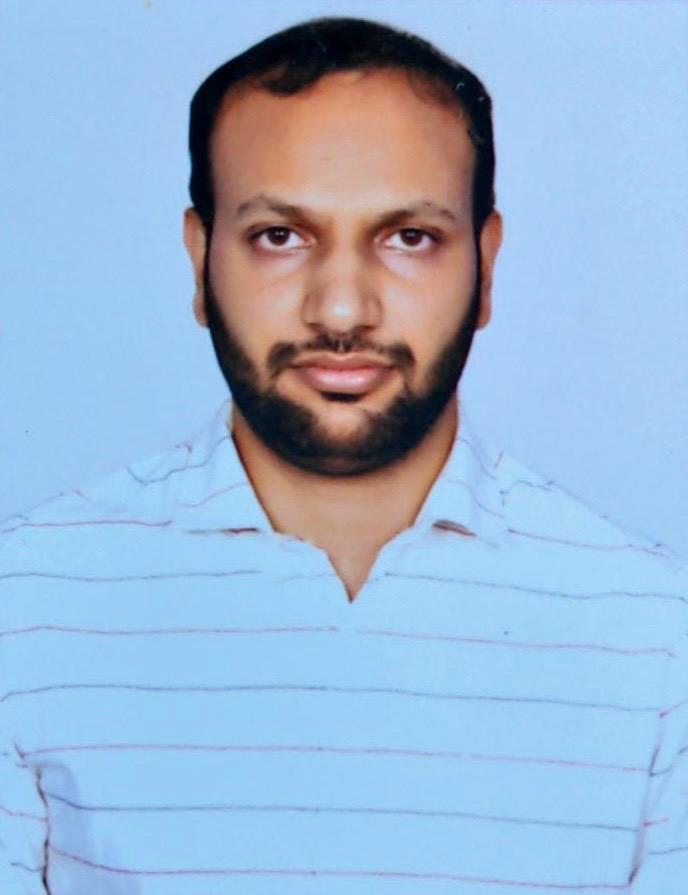
MBBS, MD(Microbiology)
Assistant Director
V.saini28@gov.in

B.Sc. (Chemistry)
Research Assistant
N/A
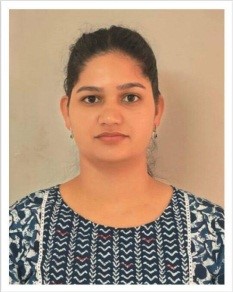
B.Sc
Technician
N/A

N/A
Animal Attendant
N/A

M.Sc. (Micro)
ARO
N/A

M.Sc. (Micro)
ARO
N/A

M.Sc., PhD
ARO
N/A

M.Sc. (Zoo.), B.Ed
Research Assistant
N/A

B.Sc. (Biology)
Research Assistant
N/A

M.Sc. (Zoo)
Research Assistant
N/A

M.Sc. (Micro)
Research Assistant
N/A

M.Sc. (Micro)
Research Assistant
N/A

M.Sc. (Biotech)
Technician
N/A

M.Sc. (Zoology)
Technician
N/A

M.Sc. (Micro)
Technician
N/A

N/A
Technician
N/A

B.Sc (Biochemistry)
Technician
N/A
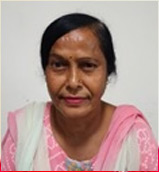
N/A
Technician
N/A

N/A
Technician
N/A
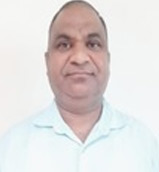
N/A
Laboratory Assistant
N/A
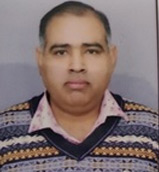
N/A
Laboratory Assistant
N/A

N/A
Laboratory Assistant
N/A

N/A
Laboratory Assistant
N/A

N/A
Insect Collector
N/A

N/A
Insect Collector
N/A
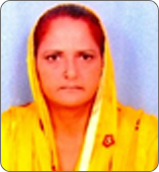
N/A
Lab Attendant
N/A

N/A
Insect Collector
N/A

N/A
MTS
N/A
N/A
MTS
N/A

N/A
Technician
N/A